
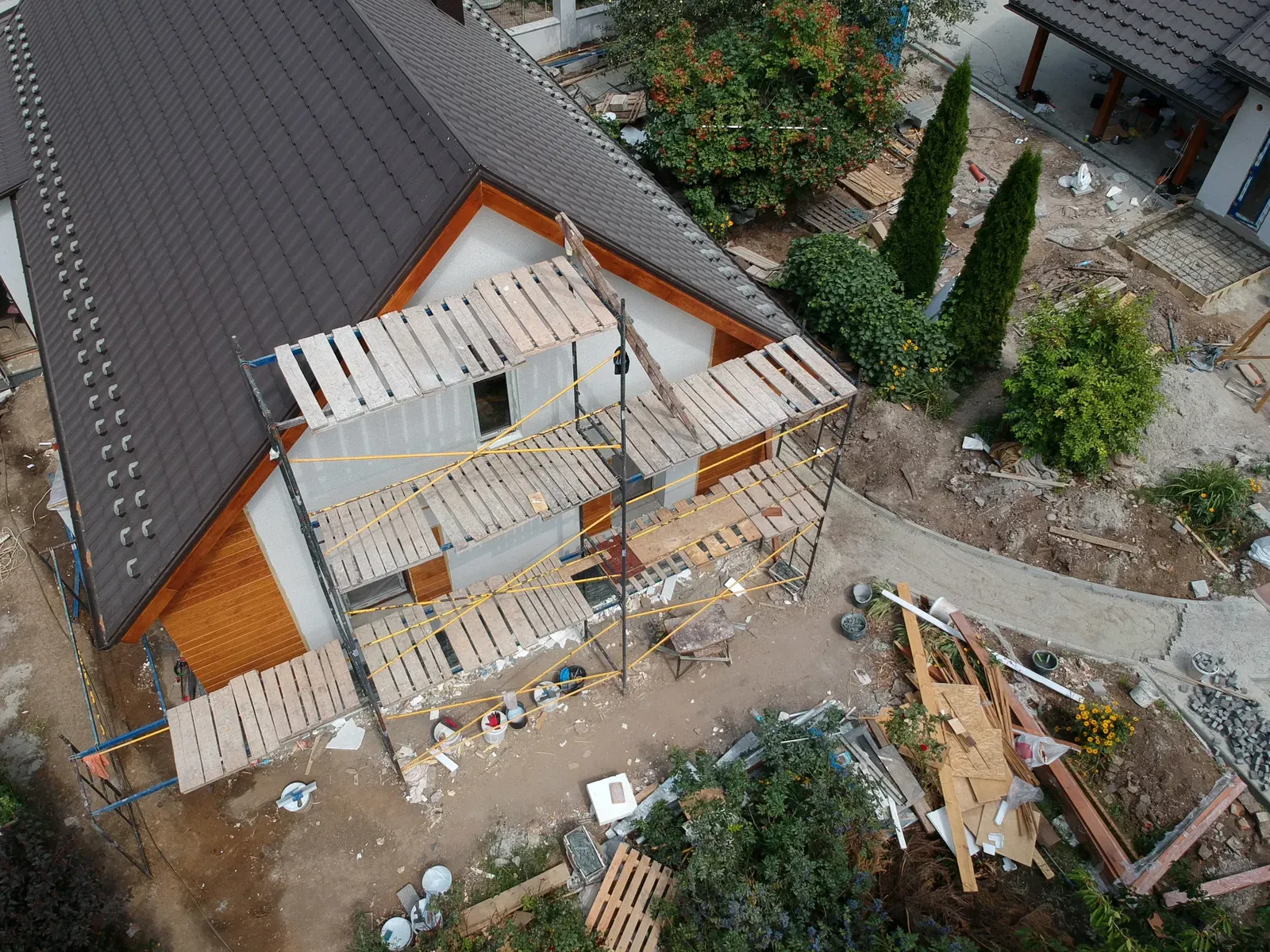

The renovation turned out even better than we pictured. Everyone involved was easy to talk to and kept us in the loop through every stage. Work moved along smoothly and the results look fantastic. Friends keep asking who did the work.

We recently had our outdated bathroom remodeled by Golden Shore Design and Build, and Chris was exceptional throughout the entire process. His attention to detail and commitment to quality truly transformed our space into a luxurious retreat. I highly recommend their services for anyone looking to upgrade their home.

The whole house renovation gave our place a fresh new feel. Each room flows naturally into the next. We are proud of how it all turned out

We recently finished a complete kitchen renovation and are very satisfied with our construction and renovation firm. From the initial design consultation through to the final walk-through, the staff at this company displayed a remarkable level of professionalism and knowledge. Our project manager kept us fully apprised of the progress through daily updates and was very responsive to all of our inquiries. The staff were very considerate, on time, and maintained a remarkably clean construction site, causing little disruption to our daily routine. The workmanship is of the highest quality, and they completed the project right on time and within the agreed-upon budget with no surprises.

Professional builders providing neat finishes and smooth project coordination.

The remodel on our place included a few tricky parts but this team knew exactly what they were doing. Their design sense made the layout flow better than it ever has. It feels like a real upgrade in terms of value.

I brought them in for a full home remodel and the whole experience felt smooth and straightforward. Their design ideas actually made the renovation feel exciting instead of stressful. You can tell the builders care about a quality build from start to finish.

I hired them for a residential remodel, and I’m blown away by the results. The design process was smooth and collaborative, which made the whole project stress-free. These guys really know how to deliver a great renovation.

My bathroom and kitchen renovation turned out strong across the board. Their remodel contractor kept communication easy and never made things confusing. The quality build shows and the place feels refreshed in the best way.

I had this business remodel two bathrooms and both turned out perfect. They made sure I was comfortable while the work was being done. The results speak for themselves.
The 30% rule in remodeling is a widely cited budgeting guideline suggesting that homeowners should not spend more than 30% of their home's current market value on a major renovation project. This rule helps maintain financial prudence, ensuring the investment aligns with the property's worth and maximizes the potential for a positive return. For example, on a $500,000 home, the recommended remodel budget would cap at approximately $150,000. It serves as a crucial checkpoint to prevent over-improvement for the neighborhood, which can make recouping costs difficult upon resale. While a useful starting point, this rule is flexible; high-value areas or essential structural repairs may justify exceeding it, but careful planning and professional appraisals are always advised.
The sufficiency of a $100,000 budget for a house renovation depends heavily on the project's scope, location, and the home's condition. For a targeted, single-area remodel like a high-end kitchen or primary bathroom, this budget can be ample, allowing for quality materials and professional labor. However, for a whole-house renovation, especially involving structural changes, major system updates (electrical, plumbing, HVAC), or high square footage, $100,000 may only cover a basic, cosmetic update. Key factors include labor costs, which vary regionally, and material selections. A detailed plan and multiple contractor quotes are essential. Unforeseen issues, common in renovations, also necessitate a contingency fund of 10-20% of the total budget.
Determining a reasonable budget for a remodeling project depends heavily on the project's scope, your home's location, and the quality of materials. As a general industry standard, a minor kitchen update might range from $10,000 to $30,000, while a full-scale, high-end renovation can easily exceed $100,000. It's crucial to allocate 10-20% of your total budget for unforeseen issues, which are common once walls are opened. Prioritizing needs over wants and investing in structural and mechanical updates first ensures long-term value. For detailed strategies on financial planning, we recommend reading our internal guide, Maximizing Your Remodeling Budget Without Sacrificing Quality. Always obtain multiple, detailed quotes from licensed contractors to establish a realistic baseline.
The cost to remodel a 2000 sq ft home varies widely based on scope, quality, and location. For a mid-range whole-house renovation, you can expect a national average of $40,000 to $100,000, which translates to roughly $20 to $50 per square foot. A high-end, full-gut remodel with custom finishes and structural changes can easily range from $100,000 to $200,000 or more ($50-$100+ per sq ft). Key cost drivers include kitchen and bathroom updates, flooring, plumbing/electrical systems, and whether the layout is altered. Always obtain multiple detailed quotes from licensed contractors, and budget an additional 10-20% for unforeseen issues, as remodeling often reveals hidden problems once walls are opened.
For a full home remodeling project in Encinitas, partnering with a design-build firm that understands the local coastal aesthetic and building codes is crucial. The process should begin with a comprehensive consultation to align on your vision, lifestyle needs, and budget. A successful remodel integrates structural integrity with timeless design, focusing on quality materials and craftsmanship that withstand the seaside environment. Effective project management is key to minimizing disruption. We explore these principles in detail in our internal article, Luxury Home Renovation in Encinitas. A full remodel is a significant investment; ensure your contractor has a proven track record of managing complex projects from concept to completion in the Encinitas area.


66 reviews