I'm totally pleased with my master bathroom makeover project with Golden Shore Design and Build.
First of all, the workmanship with everyone involved was professional. I enjoyed working especially with Petra who walked with me throughout. Her expertise made the decision making easier by providing guidance. I liked the frequent communication via group chat, and my concerns were never left unanswered. With Petra, I felt the genuine care and attention. They shared the work progress with me throughout.
The cost of the project played a major role in choosing them to build my dream master bathroom. I interviewed at least 5 contractors, and Alex provided with detailed pricing information that aligned with my budget. I highly recommend Golden Shore Design And Build for the excellent job well done!
Alex, Petra and the team at Golden Shore Design and Build did an excellent job on our kitchen and master bed/bath remodel. We had a very ambitious project plan, including a full gutting and remodel of the kitchen and dining room space and a full gutting and remodel of the front half of our upstairs. The kitchen came first, and took around 3 months due to some unexpected issues that arose from the original construction of our 50 year old home, and a stone cutting subcontractor that botched his end of the job and then ghosted the company. Golden Shore Design and Build immediately promised to handle a full correction of the issues that subcontractor caused at their expense, and then proceeded to follow through on the promise.
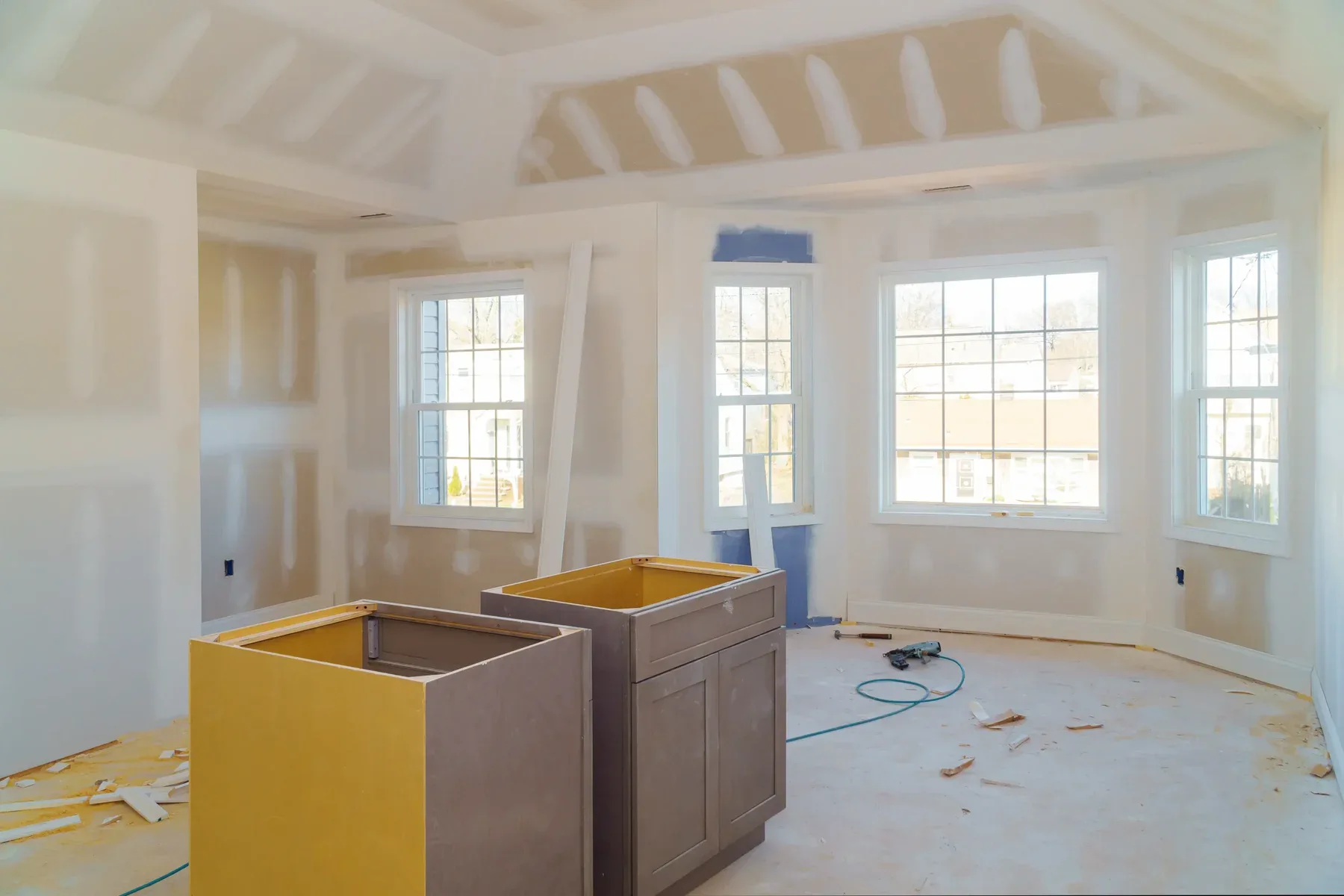
Once the kitchen was nearly finished, it was time for the upstairs. We gutted the non-structural walls in the front half of the house upstairs, and proceeded to put together a beautiful master bathroom / bedroom suite. That job took around 3 months as well, and ended up finishing a bit ahead of the original timeframe.
I won't say there were not small issues that came up throughout the process, but that is really to be expected. We are doing major construction on a 50 year old home, and living in the home the entire time. When there were imperfections that needed fixing, Alex and Petra took care of them. When there were unexpected problems that arose due to the age of the home, they gave us honest and reasonable change order quotes, and options to not break the bank.
The work that Alex, Petra and their entire team of people did really brought our dream design to life, and we are thrilled with the end results! We are even planning on having them back to do a guest bathroom that we originally left out of the scope.

Alex, Petra and the team at Golden Shore Design and Build did an excellent job on our kitchen and master bed/bath remodel. We had a very ambitious project plan, including a full gutting and remodel of the kitchen and dining room space and a full gutting and remodel of the front half of our upstairs. The kitchen came first, and took around 3 months due to some unexpected issues that arose from the original construction of our 50 year old home, and a stone cutting subcontractor that botched his end of the job and then ghosted the company. Golden Shore Design and Build immediately promised to handle a full correction of the issues that subcontractor caused at their expense, and then proceeded to follow through on the promise.
Once the kitchen was nearly finished, it was time for the upstairs. We gutted the non-structural walls in the front half of the house upstairs, and proceeded to put together a beautiful master bathroom / bedroom suite. That job took around 3 months as well, and ended up finishing a bit ahead of the original timeframe.
I won’t say there were not small issues that came up throughout the process, but that is really to be expected. We are doing major construction on a 50 year old home, and living in the home the entire time. When there were imperfections that needed fixing, Alex and Petra took care of them. When there were unexpected problems that arose due to the age of the home, they gave us honest and reasonable change order quotes, and options to not break the bank.
The work that Alex, Petra and their entire team of people did really brought our dream design to life, and we are thrilled with the end results! We are even planning on having them back to do a guest bathroom that we originally left out of the scope.

We did a full kitchen remodel plus a guest bathroom update. They suggested a few layout changes that added storage we didn't think was possible. Counters,tiles and hardware all look high-end without feeling flashy. Daily updates and a clean job site made the process easier. Results exceeded what we were hoping for.

Our dated kitchen and primary bathroom got a complete overhaul. New island, better appliances, and a really well-built shower changed how we use the house. They kept us in the loop and handled inspections without drama. House stayed livable and they wrapped up when promised. Quality of the finished work is excellent.
Our dated kitchen and primary bathroom got a complete overhaul. New island, better appliances, and a really well-built shower changed how we use the house. They kept us in the loop and handled inspections without drama. House stayed livable and they wrapped up when promised. Quality of the finished work is excellent.

We updated the kitchen and both bathrooms in our older SD house. The kitchen now has real storage and better lighting, and the bathrooms finally feel current. Tile work and cabinet installation were done carefully. They stayed on the original budget and cleaned up at the end of each day. Very happy with how everything turned out

The kitchen was cramped and the powder room was falling apart. They reconfigured both rooms and the flow of the first floor is so much better. Soft-close cabinets, a new vanity, and good lighting made a bigger difference than we expected. Project stayed organized and they finished on schedule. Recommend them if you need kitchen and bath work done right.
We chose Golden Shore Design and Build to do our master bathroom renovation after meeting with and getting quotes from five different contractors. We decided to go with them based on reviews of their previous work, the thorough and realistic explanation of how the work would be done, and also because their estimate for the work was actually lower than the others. We were dealing directly with the company owner, Alex, in getting the estimate and finalizing the contract details.
Alex provided a complimentary design concept rendering at the start and made good suggestions for the choice of materials and fixtures. It was a complete bathroom remodel (floor, walls, all fixtures, additional lighting, etc.). The work crew were polite and efficient. As with any home renovation there will be dust, however the guys were diligent in minimizing this as much as possible. Everything was done in just over two weeks, including the necessary city inspections (Alex took care of arranging those).
The bathroom came out looking beautiful, the tile work on the floor and in the tub area is gorgeous. Thankfully, no major issues cropped up when the floor and walls were opened up, and the guys devised a great solution to make the vanity fit perfectly in the slightly larger area (the original vanity was custom built during our condo's construction in 1988). Alex oversaw the progress of work with frequent job site visits and a final inspection. So, a positive experience and we now have a beautiful master bathroom. Would work with them again if another project comes up.
P. S. We had Golden Shore do some minor work in our second bathroom (fan upgrade that took some tricky installing/wiring and drywall work), and it came out looking great.

Golden shore design and build team worked efficiently while paying close attention to every kitchen remodel detail. They kept the project going as greed and were always available to answer questions. The finishes are beautiful, and the craftsmanship is outstanding. Everything was completed exactly as promised. We highly recommend if you are in San Diego