
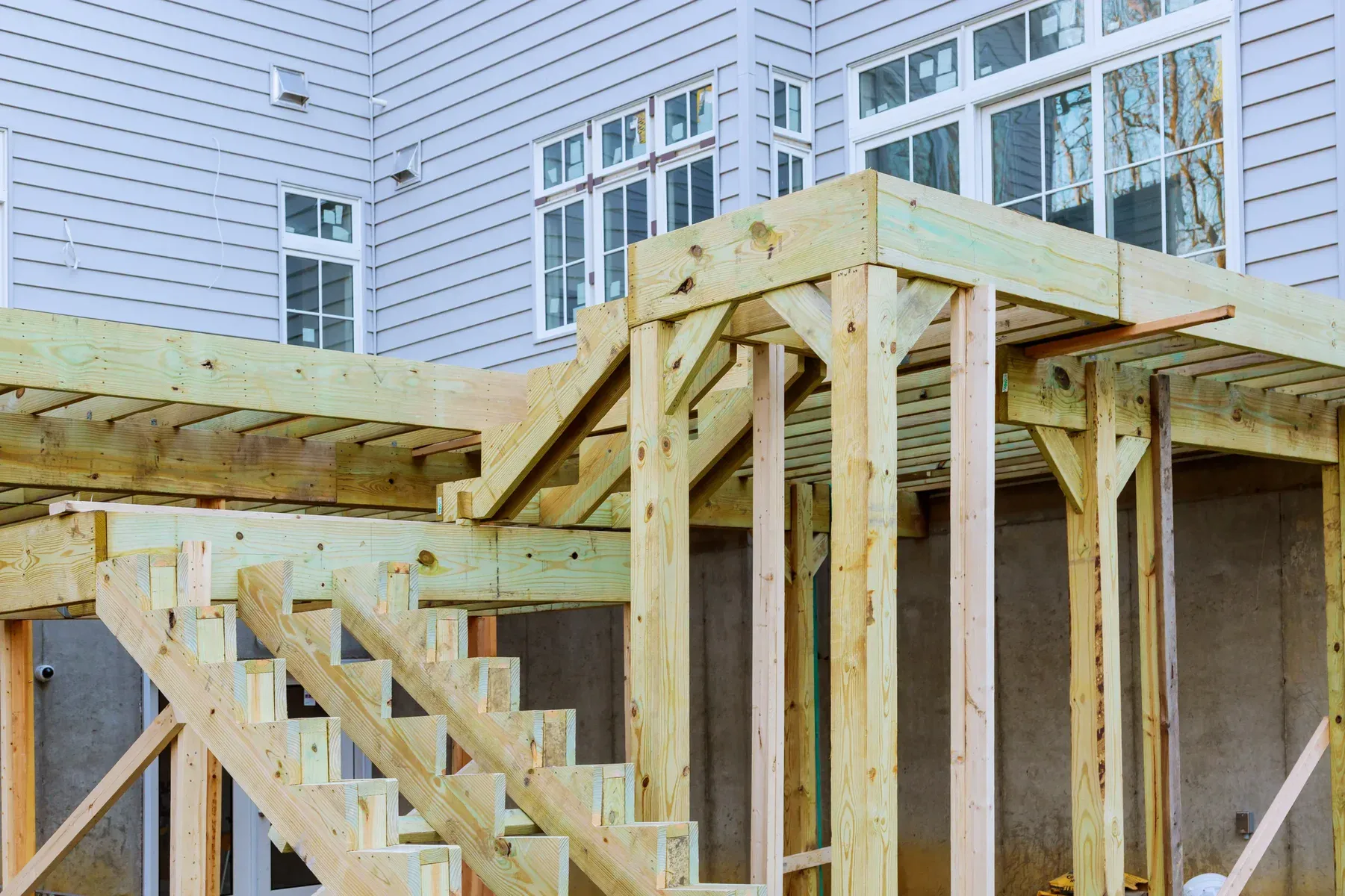

The renovation turned out even better than we pictured. Everyone involved was easy to talk to and kept us in the loop through every stage. Work moved along smoothly and the results look fantastic. Friends keep asking who did the work.

We recently had our outdated bathroom remodeled by Golden Shore Design and Build, and Chris was exceptional throughout the entire process. His attention to detail and commitment to quality truly transformed our space into a luxurious retreat. I highly recommend their services for anyone looking to upgrade their home.

The whole house renovation gave our place a fresh new feel. Each room flows naturally into the next. We are proud of how it all turned out

We recently finished a complete kitchen renovation and are very satisfied with our construction and renovation firm. From the initial design consultation through to the final walk-through, the staff at this company displayed a remarkable level of professionalism and knowledge. Our project manager kept us fully apprised of the progress through daily updates and was very responsive to all of our inquiries. The staff were very considerate, on time, and maintained a remarkably clean construction site, causing little disruption to our daily routine. The workmanship is of the highest quality, and they completed the project right on time and within the agreed-upon budget with no surprises.

Professional builders providing neat finishes and smooth project coordination.

The remodel on our place included a few tricky parts but this team knew exactly what they were doing. Their design sense made the layout flow better than it ever has. It feels like a real upgrade in terms of value.

I brought them in for a full home remodel and the whole experience felt smooth and straightforward. Their design ideas actually made the renovation feel exciting instead of stressful. You can tell the builders care about a quality build from start to finish.

I hired them for a residential remodel, and I’m blown away by the results. The design process was smooth and collaborative, which made the whole project stress-free. These guys really know how to deliver a great renovation.

My bathroom and kitchen renovation turned out strong across the board. Their remodel contractor kept communication easy and never made things confusing. The quality build shows and the place feels refreshed in the best way.

I had this business remodel two bathrooms and both turned out perfect. They made sure I was comfortable while the work was being done. The results speak for themselves.
Hardscaping encompasses all non-living elements in landscape design, which form the structural foundation of an outdoor space. This includes features like patios, walkways, and driveways constructed from pavers, concrete, or natural stone. It also involves retaining walls, stairs, decks, pergolas, and permanent built-in seating. Other key components are water features such as fountains, fire pits, outdoor kitchens, and architectural elements like columns or arbors. These elements define spaces, manage drainage, and add significant functionality and value to a property. A well-designed hardscape provides structure, creates usable areas for entertainment and relaxation, and complements the softscape (plants and lawns) for a cohesive and enduring landscape.
Hardscape and softscape are the two primary components of landscape design. Hardscape refers to the non-living, structural elements of an outdoor space. This includes features like patios, walkways, retaining walls, decks, pergolas, and driveways, typically constructed from materials such as concrete, stone, brick, and wood. Softscape encompasses all the living, horticultural elements. This involves plants, trees, shrubs, flowers, grass, and soil. In professional design, achieving a balance between hardscape and softscape is crucial. The hardscape provides the permanent framework and functional areas, while the softscape adds beauty, color, texture, and environmental benefits like shade and improved air quality. A successful landscape harmoniously integrates both.
Hardscape flooring refers to the non-living, solid elements used in outdoor landscaping and construction projects. This includes materials like concrete, pavers, stone, brick, and tile that create permanent or semi-permanent surfaces for patios, walkways, driveways, and pool decks. Unlike softscape (plants, soil), hardscape provides structure, defines spaces, and manages practical issues like drainage and erosion. In design, it forms the foundational architectural framework of an outdoor area. Key considerations include material durability, slip resistance, thermal properties, and integration with the overall landscape design. Proper installation with a stable base is critical for longevity and performance, making it a fundamental aspect of exterior construction.
A hardscape surface refers to the non-living, solid elements in landscape design, such as patios, walkways, retaining walls, and driveways. These are constructed from materials like concrete, pavers, stone, brick, or wood. Hardscaping provides structure, defines spaces, and creates functional areas for outdoor living. It is a critical counterpart to softscaping (plants and soil), forming the backbone of a well-designed yard. Proper installation is essential for drainage, longevity, and safety. For a deeper dive into materials, design principles, and integration with your overall landscape, our internal article Hardscape offers comprehensive professional guidance.


66 reviews