Key Takeaways
A 60-inch double sink vanity is a major investment that can define your bathroom for decades. The biggest mistake we see isn’t choosing the wrong finish—it’s failing to plan for the plumbing, storage, and daily reality of two people using the space. Getting it right means balancing style with hard, practical math.
Let’s be honest: the dream of a spacious, symmetrical double vanity is a powerful one. It promises an end to morning jostling, a place for everything, and a serious boost to your home’s value. That 60-inch width is the sweet spot for many master baths—it offers ample room without completely dominating the space. But after installing and designing around more of these than I can count, I can tell you the gap between the Pinterest board and the finished, functional bathroom is where the real work happens. It’s not just a cabinet; it’s a complex piece of furniture that has to play nice with your plumbing, your walls, and your life.
What Exactly Are You Buying?
A 60-inch double sink vanity is a bathroom cabinet, typically between 32-36 inches tall, designed to accommodate two sinks with a shared countertop. It provides dedicated storage and personal space for two users, transforming a bathroom from a purely functional room into an organized, shared retreat. The key benefit is the separation of routines, reducing clutter and conflict during busy mornings.
The first reality check is understanding what that 60 inches actually holds. You’re not getting 30 inches of vanity per person. You have to subtract the space for the two sink bowls themselves (typically 16-22 inches wide each), the necessary gap between them, and the required space on the outer edges. What’s left in the middle is your “landing zone”—the precious counter space for shared items like soap, a toothbrush holder, or a decorative tray. Skimp here, and you’ve just created a perpetually cluttered bottleneck. We always advise clients to bring home a roll of painter’s tape and map the exact footprint on their floor, including where the sinks will go. It’s a humbling, but essential, exercise.
The Storage Paradox: More Space, More Problems
Here’s a classic homeowner assumption: a bigger vanity means more storage. Technically true, but the layout is everything. That 60-inch unit often comes with a center drawer stack or a bank of doors in the middle. If your plumbing isn’t configured for it, that prime real estate becomes completely useless, blocked by a tangled web of P-traps and drain lines.
We’ve opened up too many vanities to find a cavernous interior rendered inaccessible by poor planning. The solution? Side-mount or drawer-specific plumbing. It costs more upfront but turns every drawer into functional storage. For San Diego homes, especially in older neighborhoods like South Park or Normal Heights where bathroom footprints are often tighter, maximizing every cubic inch isn’t a luxury—it’s a necessity. The local preference for clean, uncluttered spaces (a reaction to our year-round indoor-outdoor living, maybe?) means that what you don’t have sitting on the counter matters just as much as what you do.
The Material Choices: Where Beauty Meets a Damp Reality
The vanity top is where your style statement and daily wear collide. The choice here is less about pure aesthetics and more about your tolerance for maintenance.
| Material | The Practical Upside | The Real-World Downside |
|---|---|---|
| Quartz | Non-porous, never needs sealing, consistent color/pattern. Resists most stains. | Can be damaged by extreme heat (hot curling irons). Seams, while minimal, are visible. |
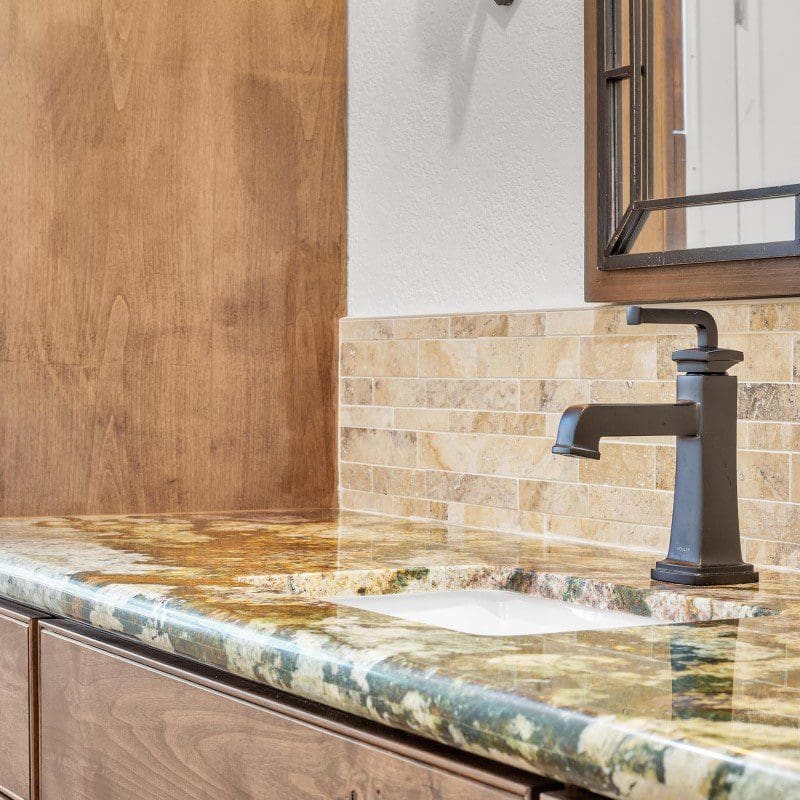
| Natural Stone (Granite/Marble) | Unique, high-end visual impact. Granite is very durable. | Requires annual sealing. Marble will etch from acidic liquids (lemon juice, certain cleaners). |
| Solid Surface (Corian, etc.) | Seamless integration, repairable if scratched. Warm to the touch. | Vulnerable to heat damage and deeper scratches. Can look “flat” compared to natural stone. |
| Porcelain Slab | Incredibly scratch and stain-resistant. Modern, uniform appearance. | Higher cost. Limited edge profile options. Can have a cold, industrial feel. |
Our go-to for most clients here in San Diego tends to be quartz. It handles our humidity, resists sunscreen and hair product spills, and just… endures. But if you have your heart set on that Carrara marble, we won’t stop you—we’ll just make sure you have a bottle of sealant and a set of coasters for your perfume bottles.
The Installation Gotchas No One Talks About
This is where DIY dreams often meet plumbing nightmares. A 60-inch vanity is heavy and unwieldy. It must be perfectly level, not just for the countertop but for the sinks to drain properly. The existing plumbing rough-ins (the water supply lines and drain pipes in the wall) are almost never in the right place for your new configuration.
You’ll likely need a plumber to move them, which could mean opening up the wall. And don’t forget about the toe kick—that recessed space at the bottom. If your floor isn’t level (and in many of our older coastal homes, they are famously not), a custom shim job is needed to avoid a vanity that rocks. We once worked on a remodel in Point Loma where the floor slope was so pronounced we had to craft a custom tapered toe-kick. It’s these invisible details that separate a pro job from a hack one.
When a 60-Inch Double Might Be the Wrong Choice
As much as we love them, they’re not universal. If your bathroom is narrow, a 60-inch vanity with two doors swinging open can turn the room into an obstacle course. You need at least 36 inches of clear walkway in front of it. For very small baths, two separate, narrower vanities or a single sink with a much smarter storage plan can be more functional.
Also, consider your habits. If one of you is always out the door at 5 AM while the other sleeps until 7, the “shared morning rush” problem you’re solving might not exist. The investment might be better spent on a phenomenal shower system instead.
Making It Work: The Golden Shore Perspective
For us at Golden Shore Design & Build in San Diego, a successful 60-inch vanity install is a puzzle of aesthetics, engineering, and local know-how. We think about the coastal air’s effect on certain finishes, about sourcing materials that can handle our climate, and about creating a flow that makes sense for how San Diegans actually live. It’s why we often suggest a soft-close, full-extension drawer glide system—it’s a small upgrade that prevents a decade of annoyance.
If you’re contemplating this upgrade, start with the practical map on your floor. Then, honestly assess your storage needs and plumbing realities. The vanity should serve your routine, not dictate it. And if the project scope starts to feel like it’s expanding beyond a simple swap—involving wall moves, electrical for new lighting, or significant plumbing—that’s your signal to bring in a professional. The cost of fixing one major mistake will almost always eclipse the cost of getting it done right the first time.
In the end, a great bathroom vanity isn’t just noticed when it’s new. It’s noticed every single morning for years when it works seamlessly, keeping the peace and hiding the clutter. That’s the real return on investment.
People Also Ask
A 60-inch vanity is a standard and popular size for a double sink bathroom, offering a good balance of space and functionality. It provides approximately 30 inches of counter and cabinet space per sink, which is generally sufficient for most users' daily routines. To ensure comfort, the key is selecting appropriately scaled sinks—often called "apartment" or "petite" bowls—that are typically 16 to 20 inches wide. Proper planning of faucet placement and storage is crucial. For a deep dive on layout, sink selection, and maximizing storage in this configuration, see our internal resource Maximizing Style With A 60 Inch Double Sink Vanity. This size efficiently creates a shared bathroom space without requiring an overly large footprint.
Yes, double sink vanities remain a highly popular and stylish choice in modern bathroom design. They are considered a standard for master bathrooms, offering significant functional benefits for couples and families by streamlining morning routines. The current trend emphasizes clean lines, integrated storage, and high-quality materials like quartz or natural stone countertops. For a truly contemporary look, consider a floating 60-inch model with undermount sinks, which enhances the sense of space. To explore the latest design ideas and practical benefits of this centerpiece, we recommend reading our detailed guide, Maximizing Style With A 60 Inch Double Sink Vanity. This style offers both enduring appeal and daily convenience.
For a 60-inch vanity, the ideal mirror width is typically 50 to 58 inches. This ensures the mirror is centered and provides a balanced, proportional look without appearing too small or overwhelming the space. A common and safe choice is a mirror that is about 54 inches wide. The height generally ranges from 24 to 36 inches, depending on your ceiling height and desired aesthetic. For a more modern and streamlined appearance, consider a single, wide mirror that spans most of the vanity's width. Alternatively, two separate mirrors, each approximately 24 to 28 inches wide, can be installed over a double-sink setup, centered above each basin. Always ensure there is a comfortable amount of wall space on either side.
A good size for a double sink vanity typically starts at 60 inches in width. This provides ample space for two users, comfortable countertop area, and sufficient storage. For a more spacious feel, 72 inches is an excellent choice, allowing for larger basins and more prep space. The standard depth is 21 to 24 inches, with a height of 32 to 36 inches to accommodate modern ergonomic preferences. Always consider the overall bathroom dimensions to ensure proper clearance and flow. For a detailed guide on optimizing this centerpiece, including layout tips and style considerations, refer to our internal resource, Maximizing Style With A 60 Inch Double Sink Vanity.