
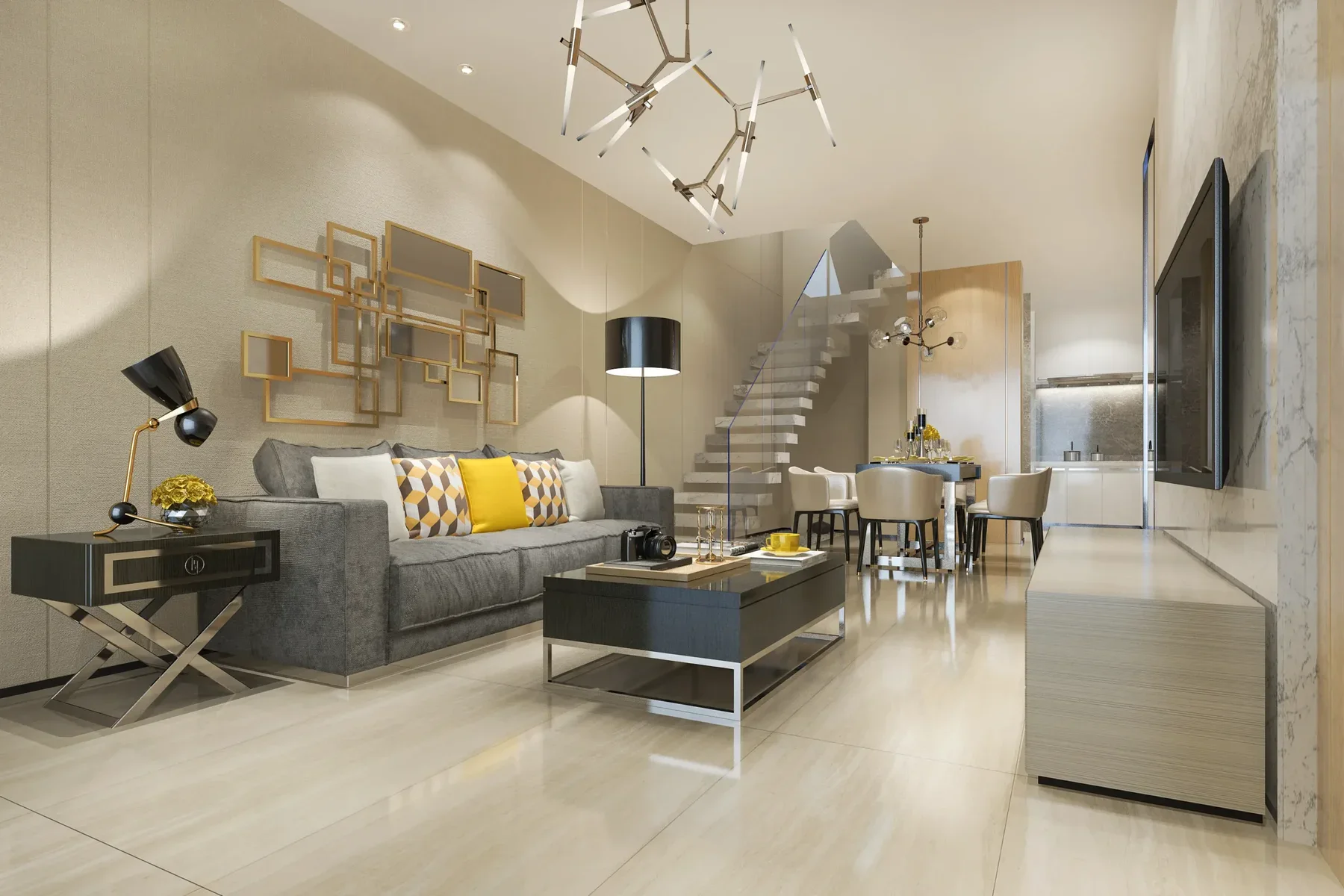

The renovation turned out even better than we pictured. Everyone involved was easy to talk to and kept us in the loop through every stage. Work moved along smoothly and the results look fantastic. Friends keep asking who did the work.

We recently had our outdated bathroom remodeled by Golden Shore Design and Build, and Chris was exceptional throughout the entire process. His attention to detail and commitment to quality truly transformed our space into a luxurious retreat. I highly recommend their services for anyone looking to upgrade their home.

The whole house renovation gave our place a fresh new feel. Each room flows naturally into the next. We are proud of how it all turned out

We recently finished a complete kitchen renovation and are very satisfied with our construction and renovation firm. From the initial design consultation through to the final walk-through, the staff at this company displayed a remarkable level of professionalism and knowledge. Our project manager kept us fully apprised of the progress through daily updates and was very responsive to all of our inquiries. The staff were very considerate, on time, and maintained a remarkably clean construction site, causing little disruption to our daily routine. The workmanship is of the highest quality, and they completed the project right on time and within the agreed-upon budget with no surprises.

Professional builders providing neat finishes and smooth project coordination.

The remodel on our place included a few tricky parts but this team knew exactly what they were doing. Their design sense made the layout flow better than it ever has. It feels like a real upgrade in terms of value.

I brought them in for a full home remodel and the whole experience felt smooth and straightforward. Their design ideas actually made the renovation feel exciting instead of stressful. You can tell the builders care about a quality build from start to finish.

I hired them for a residential remodel, and I’m blown away by the results. The design process was smooth and collaborative, which made the whole project stress-free. These guys really know how to deliver a great renovation.

My bathroom and kitchen renovation turned out strong across the board. Their remodel contractor kept communication easy and never made things confusing. The quality build shows and the place feels refreshed in the best way.

I had this business remodel two bathrooms and both turned out perfect. They made sure I was comfortable while the work was being done. The results speak for themselves.
Creating a 3D design for free is accessible with several powerful software options. For beginners, Tinkercad is an excellent web-based tool with an intuitive interface for basic modeling. For more advanced projects, Blender is the industry-standard free, open-source software capable of modeling, sculpting, animation, and rendering; it has a steeper learning curve but vast tutorials online. Fusion 360 offers a free personal-use license for hobbyists and startups, ideal for parametric and mechanical design. Start by defining your project's purpose, then choose the software that matches your skill level and needs. Utilize the extensive free tutorials and communities for each platform to build your skills progressively.
Free 3D prints are often available through public libraries, universities with maker spaces, and some community centers that offer public access to 3D printers, usually for the cost of materials. Online platforms like Thingiverse and MyMiniFactory provide vast libraries of free, downloadable 3D models, but you need access to a printer to produce them. Additionally, local maker communities or "hackerspaces" frequently have open nights where members may assist with prints. For professional-grade results, consider partnering with a design-build firm like Golden Shore Design and Build, which can ensure structural integrity and proper material selection, crucial for functional or architectural components beyond simple prototypes.
The current top-selling 3D printed items are practical, customizable, and often solve everyday problems. High-demand categories include home organization solutions like custom drawer dividers and wall mounts, unique home decor such as vases and art pieces, and functional upgrades for popular tech gadgets like phone stands and gaming accessories. Niche hobbyist items for tabletop gaming, model building, and cosplay also command strong markets. The key to selling successfully is identifying a specific need within a passionate community and offering a high-quality, well-designed product that is difficult to find elsewhere. Focusing on durability and a professional finish is crucial for customer satisfaction.
Choosing the best 3D design application depends heavily on your specific project and industry. For professional architectural visualization and construction, Autodesk Revit is the industry standard for Building Information Modeling (BIM), integrating 3D design with crucial data. SketchUp is widely favored for its intuitive interface and is excellent for conceptual modeling and client presentations. For highly detailed renderings and complex geometries, 3ds Max or Rhino offer powerful tools. In construction, the priority is on accuracy, coordination, and the ability to generate construction documents, making BIM-focused software like Revit often the superior choice for a comprehensive design-to-build workflow.
For those seeking free 3D print models, numerous online repositories offer extensive libraries. Key platforms include Thingiverse, Cults 3D, and MyMiniFactory, which host thousands of user-generated designs ranging from practical tools to artistic figures. When downloading, always check the license (often Creative Commons) for commercial use restrictions. For architectural visualization, which is our core expertise, free models of furniture, fixtures, and basic structural elements can be excellent starting points for client presentations or conceptual studies. However, for precise construction documentation or custom architectural components, professionally engineered models or custom design services are recommended to ensure accuracy, structural integrity, and compliance with building standards.
Finding free 3D print models is a great way to explore the technology without initial investment. For architectural and design professionals, platforms like Thingiverse and Printables offer extensive libraries of free models, from decorative elements to functional prototypes. When selecting models, prioritize those with clear documentation, good printability ratings, and appropriate licensing for intended use. It's crucial to verify that the model's scale and file format are compatible with your specific printer and slicing software. Using these resources can accelerate concept visualization and client presentations, though for commercial projects, always ensure models are licensed for such use to maintain professional integrity and avoid copyright issues.


66 reviews