Ever stood in the middle of your own home and felt a profound sense of… meh? You love your neighborhood, you adore your neighbors, but the house itself just isn’t sparking joy anymore. Maybe the kitchen feels like a time capsule from the 90s, or you’re desperately dreaming of a proper master suite. We get it. We’ve been there, both as homeowners and as the team at Golden Shore Design and Build, helping San Diego families transform their “meh” into “wow” for years.
Let’s be real, the thought of a home remodel can be equal parts exciting and terrifying. Visions of beautiful new spaces dance in our heads, only to be interrupted by nightmares of budget blowouts and living in a construction zone. But what if we told you it doesn’t have to be that way? What if the process could be as rewarding as the final reveal?
Table of Contents
First Things First: The “Why” Before the “What”
Before we even think about knocking down walls or picking out backsplashes, we need to have a heart-to-heart about your goals. This is the single most important step, and skipping it is like trying to drive from San Diego to Phoenix without a map—you’ll end up lost, frustrated, and probably out of gas.
Are we looking to enhance our daily living experience? This is all about you. That dream kitchen isn’t just about aesthetics; it’s about creating a space where you love to cook and your family naturally gathers. A bathroom renovation can turn a cramped, utilitarian space into a personal spa retreat.
Are we trying to increase the resale value of our home? This is a strategic play. Here, we need to be smart. Not all renovations offer the same return on investment. We need to think like a future buyer, not just like ourselves.
Do we simply need more space? This is a common driver in our growing San Diego families. Maybe you need an ADU for a returning college student or an aging parent. Perhaps a room addition is the only way to get that home office you desperately need. This is about solving a functional problem with a beautiful, integrated solution.
Getting crystal clear on our primary “why” acts as our North Star, guiding every single decision we make from here on out. It keeps us focused and, frankly, saves us from ourselves when we’re tempted by that wildly expensive imported tile that doesn’t really fit the overall vision.
The Dream Team: Why Your Choice of a Remodeling Contractor is Everything
Okay, let’s talk about the elephant in the room. We’ve all heard the horror stories. The general contractor who vanished. The project that took three times as long as promised. The final cost that bore no resemblance to the initial quote. It’s enough to make anyone want to just live with the ugly linoleum forever.
But here’s the secret: a successful home remodel is 80% about the team you hire and 20% about the materials you choose. A great remodeling company is your partner, your guide, and your advocate.
So, what should we look for in a residential general contractor?
- Proper Licensing and Insurance: This is non-negotiable. IMO, working with an unlicensed contractor is like skydiving with a backpack full of pillows. It might seem like a good way to save a few bucks, but the outcome can be catastrophic. Always, always verify their license with the CSLB.
- A Stellar Portfolio and Raving Fans: Any reputable contractor can show you pretty pictures. We want to see a portfolio that demonstrates experience with the specific type of project we’re planning, be it a whole-house renovation, a custom home building project, or a specialized kitchen and bathroom update. And we don’t just want to see the photos; we want to hear from the people who lived through the process. Read the reviews!
- Transparent Communication: From day one, we should feel like we’re on the same team. Our contractor should be a great listener and a clear communicator. If we ask a question, we get a straight answer. If a problem arises (and in remodeling, something almost always does), they tell us immediately and present a solution.
This is the foundation of what we’ve built at Golden Shore Design and Build. We’re not just luxury home builders; we’re professional problem-solvers who see your project through your eyes. We know that trust is earned, not given, and that starts with a candid conversation.
The Budget Talk: Demystifying the Cost of Your San Diego Renovation
Alright, let’s tackle the big one: the price tag. It’s the question everyone wants to ask but is sometimes afraid to: “How much is this going to cost?” The answer, frustratingly, is “it depends.” But let’s break down what it depends on.
The final cost of a home remodel is a cocktail with several key ingredients:
- The Scope of Work: A simple bathroom refresh is a different beast than a whole-house gut job. Are we moving plumbing lines? Taking down load-bearing walls? Adding a second story? The complexity is a huge cost driver.
- Material Selections: This is where the budget can either sing opera or take a nosedive. We can choose standard cabinets from a big-box store or custom, handcrafted cabinetry. The difference in price is significant, and both have their place depending on our goals and budget.
- Labor: Quality craftsmanship costs money. A skilled tradesperson who has spent years honing their craft is worth their weight in gold. They work efficiently, solve problems effectively, and their work stands the test of time.
- Permits and Fees: Welcome to building in beautiful San Diego! Every municipality has its own rules and associated costs. A good contractor will handle all of this for you and bake it into the initial budget.
To give you a rough idea, here’s a basic table outlining typical starting price ranges for common projects in our area. Remember, these are starting points for medium-grade finishes and can go up based on the factors above.
| Project Type | Typical Starting Cost Range (San Diego) | Key Cost Drivers |
|---|---|---|
| Bathroom Remodel | $25,000 – $50,000+ | Moving plumbing, tile selection, custom vanities, luxury fixtures. |
| Kitchen Renovation | $40,000 – $80,000+ | Cabinet quality, appliance packages, countertop material, layout changes. |
| ADU Construction | $150,000 – $300,000+ | Size, foundation type, interior finishes, utility connections. |
| Room Addition | $200 – $400+ per sq. ft. | Foundation work, roofing, complexity of tying into existing structure. |
The most important thing is to be upfront about our budget with our contractor. A good one, like us at Golden Shore Design and Build, won’t see it as a number to hit but as a framework to design within. We can show you where to invest for the best return and where we can find smart savings without sacrificing quality. FYI, the cheapest price often comes with the highest cost in stress and repairs down the line.
From Blueprint to “Ta-Da!”: The Power of Modern Home Design
Gone are the days of trying to decipher a 2D drawing and hoping you’re imagining the space correctly. Technology has completely revolutionized the planning phase, and for us, it’s a game-changer.
3D design is our secret weapon. Before a single hammer is swung, we can create a photorealistic, interactive model of your new space. We can literally walk you through your future kitchen in virtual reality. You’ll see exactly how the light will fall at different times of day, how the sightlines work from the living room, and how your cabinet hardware looks with your floor tile.
Why is this so powerful? It eliminates the “I thought it would look different” conversation. It allows us to make changes when they’re still just pixels on a screen—infinitely cheaper and less stressful than changing them after the drywall is up. This collaborative approach to home design ensures that the final product is exactly what you dreamed of, because you’ve already been living in it, virtually.
Your Project, Your Way: Exploring the Possibilities
So, what kind of magic can we actually create? The possibilities are nearly endless, but let’s look at some of the most popular paths our clients take.
The Heart of the Home: Kitchen & Bathroom Focus
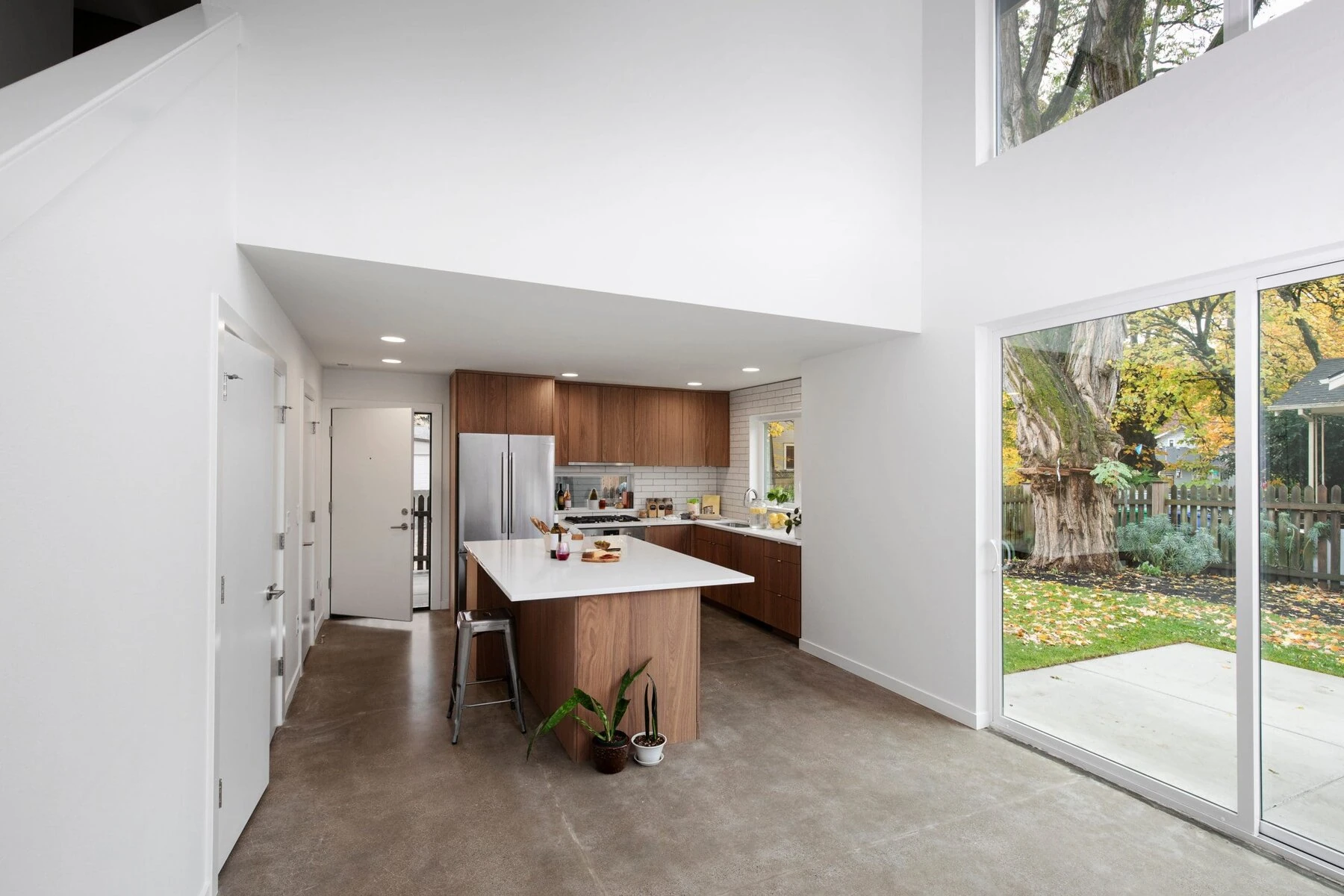
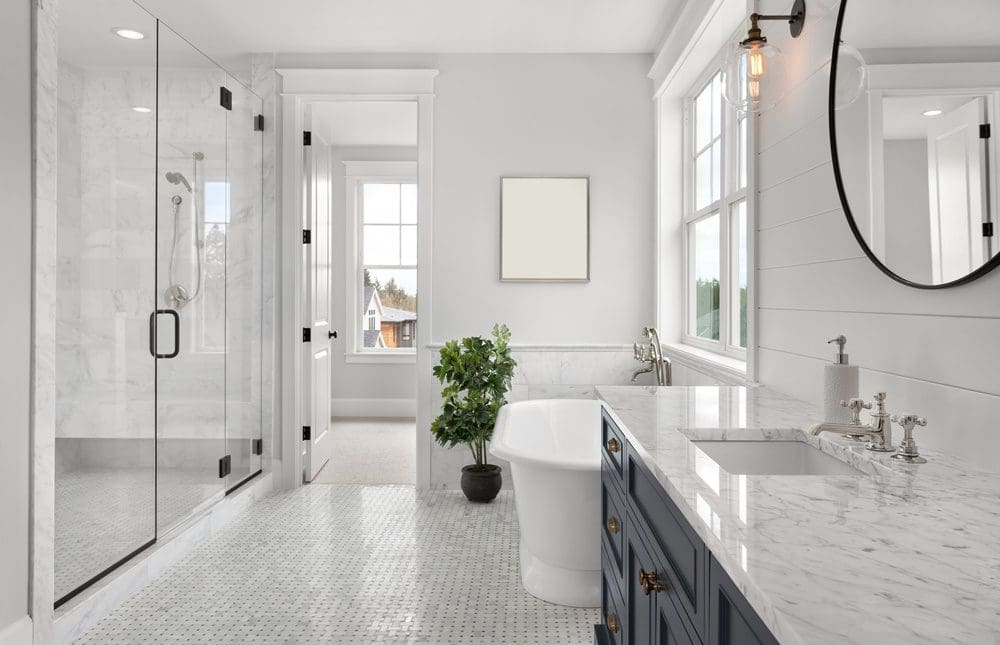
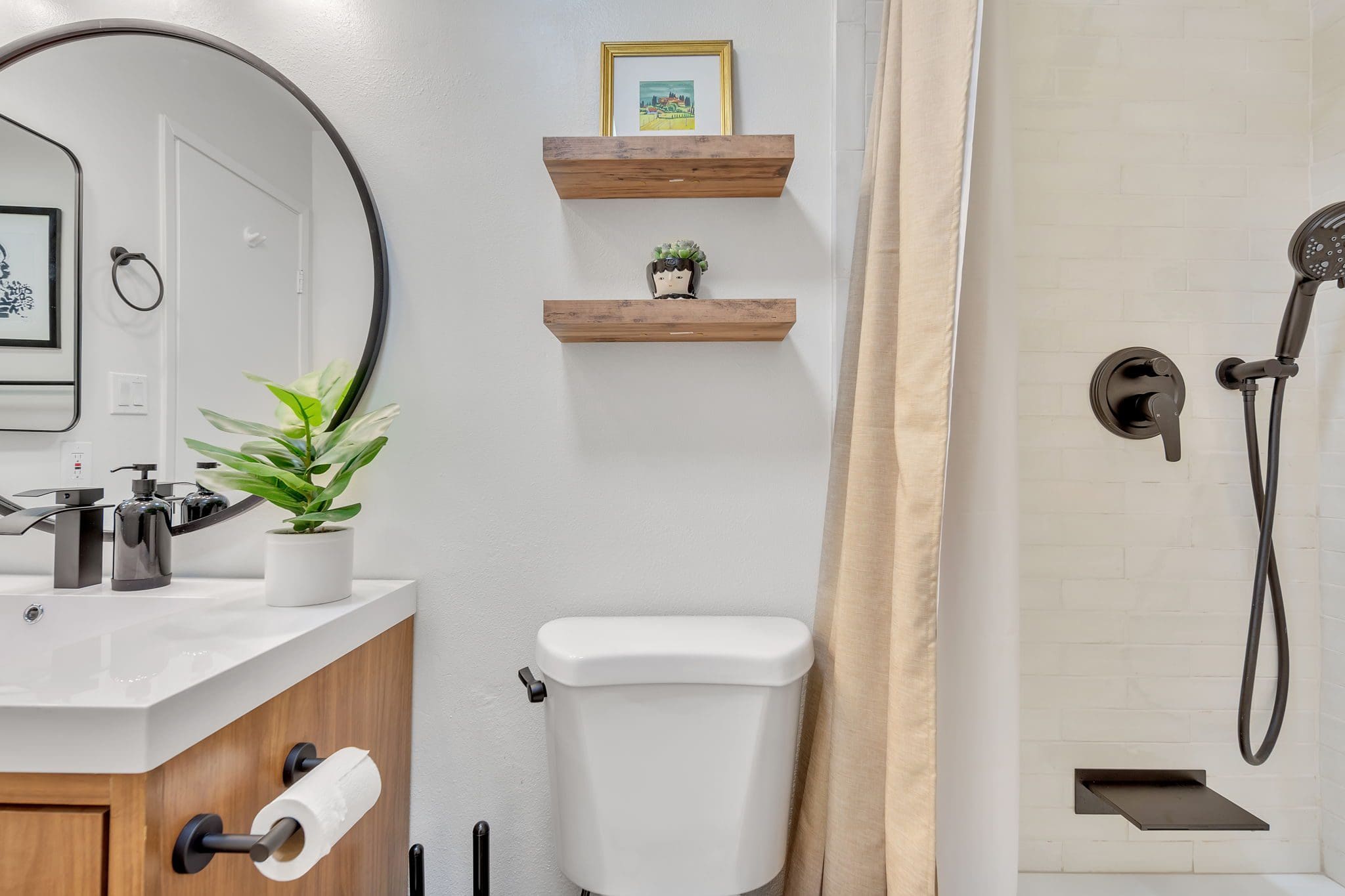
A kitchen or bathroom remodel often delivers the biggest bang for your buck in both daily enjoyment and resale value. In the kitchen, we’re focusing on creating a functional workflow (the classic “work triangle”), incorporating smart storage, and choosing durable, beautiful surfaces. In the bathroom, it’s about turning necessity into luxury—think walk-in showers with frameless glass, freestanding tubs, and heated floors. Because no one should have to face a cold tile floor first thing in the morning.
The Smart Expansion: ADUs and Room Additions
Need more space but love your location? Building an Accessory Dwelling Unit (ADU) is a brilliant solution for San Diego homeowners. It provides rental income, a space for family, or a killer home office, all while increasing your property value. Similarly, a well-executed room addition can give you the master suite of your dreams or the great room your family needs to spread out. The key is making it look like it was always part of the original home.
The Ultimate Transformation: Whole-House Remodel & Custom Home Building
Sometimes, a piecemeal approach just won’t cut it. A whole-house renovation allows us to reimagine the entire flow and function of your home, updating all the systems (electrical, plumbing) along the way. And for those starting from scratch? Working with custom luxury home builders is a journey to create a one-of-a-kind residence that reflects your unique lifestyle down to the last detail.
Answering Your Burning Questions
We hear a lot of the same great questions from folks just starting their journey. Here are a few of the most common.
1. How long will a typical kitchen/bathroom remodel take?
There’s no one-size-fits-all answer, but we can give you a general idea. A moderately complex bathroom renovation can take 4-8 weeks. A full kitchen remodel often runs 8-12 weeks, sometimes longer for significant layout changes. The timeline depends on the scope, permit approvals, and material lead times. We provide a detailed project timeline upfront and keep you updated every step of the way.
2. Should I stay in my home during the renovation?
For a single-bathroom home undergoing a bathroom remodel? Probably not, unless you have a very understanding bladder and a good gym membership for showers. For a kitchen remodel, it’s often possible if we can set up a temporary kitchenette elsewhere. For a whole-house project, finding a temporary rental is usually the least stressful option for everyone. We’ll give you our honest recommendation based on your specific project.
3. How do I find the nearest reputable remodeling contractor to me?
Beyond a simple web search for “remodeling contractor near me,” ask for recommendations from friends and neighbors whose projects you admire. Look for companies with a strong physical presence in your community. For instance, as a San Diego-based company, we’re proud to be the closest, most nearby option for many homeowners in the area, and we love building relationships right here in our own backyard. Check out their Google My Business profile and read those local reviews!
Let’s Build Something Amazing Together
Phew, that was a lot, but hopefully, it demystified the process a little. A home renovation is a big undertaking, but it’s also one of the most rewarding things we can do as homeowners. It’s about more than just new drywall and fixtures; it’s about creating a backdrop for your life’s best moments.
The journey starts with a conversation. If you’re in the San Diego area and dreaming of something more, let’s talk. At Golden Shore Design and Build, we’re not just another remodeling company; we’re your partners in creating a home you’ll love for years to come. We handle the complex details so you can focus on the excitement. So, what are we waiting for? Let’s get started.
People Also Ask
The 30% rule in remodeling is a financial guideline suggesting that homeowners should not spend more than 30% of their home's current market value on a single renovation project. This principle helps ensure that improvements do not overcapitalize the property, making it difficult to recoup costs upon resale. For example, if your home is valued at $400,000, you would cap a kitchen remodel at $120,000. However, this rule is not rigid; local market conditions and your long-term plans matter. For San Diego homeowners, Golden Shore Design and Build recommends reviewing our internal article titled 'The Complete Home Renovation Roadmap: A Step‑by‑Step Guide From First Sketch to Final Walkthrough' at The Complete Home Renovation Roadmap: A Step‑by‑Step Guide From First Sketch to Final Walkthrough for tailored advice on balancing investment with value.
A $100,000 budget can cover a significant portion of a mid-range kitchen remodel or a complete bathroom renovation in San Diego. For a full kitchen, you can expect new custom cabinetry, quartz countertops, and mid-tier appliances. For a bathroom, this budget allows for a full gut and reconfiguration, including premium tile work and a walk-in shower. However, for whole-home projects, this amount typically covers a single room or a focused upgrade like flooring and paint throughout. To maximize value, prioritize structural or mechanical updates over purely cosmetic changes. For a detailed breakdown of how this budget applies to a larger scope, we recommend reading our article titled Full Home Remodeling in Cardiff, which outlines cost-saving strategies and material choices. Golden Shore Design and Build can help you allocate these funds effectively for your specific project.
A comprehensive demolition plan must include a detailed scope of work, a site-specific safety plan, and a waste management strategy. It should outline the sequence of demolition, identify structural supports to protect adjacent buildings, and specify methods for hazardous material abatement, such as asbestos or lead. The plan must also include utility disconnection procedures, dust control measures, and emergency response protocols. For homeowners in San Diego, Chula Vista, National City, La Mesa and Spring Valley CA, ensuring these elements are documented protects your property and complies with local regulations. For further guidance, you can refer to our internal article titled Expert Answers To Your Top Home Renovation Questions, which provides expert insights on renovation planning.
When preparing to sell your home, focus on repairs that offer a strong return on investment. Avoid fixing cosmetic issues that are purely personal preference, such as outdated paint colors or old light fixtures. Do not invest in major structural overhauls like a new roof or foundation work unless there is a clear defect that would fail an inspection. Similarly, skip upgrading a perfectly functional kitchen or bathroom, as buyers often want to choose their own finishes. Instead, prioritize deep cleaning, decluttering, and addressing obvious safety hazards like broken windows or faulty wiring. For guidance on which repairs add value in San Diego, Chula Vista, National City, La Mesa and Spring Valley CA, Golden Shore Design and Build can help you identify cost-effective improvements that attract buyers without overspending.