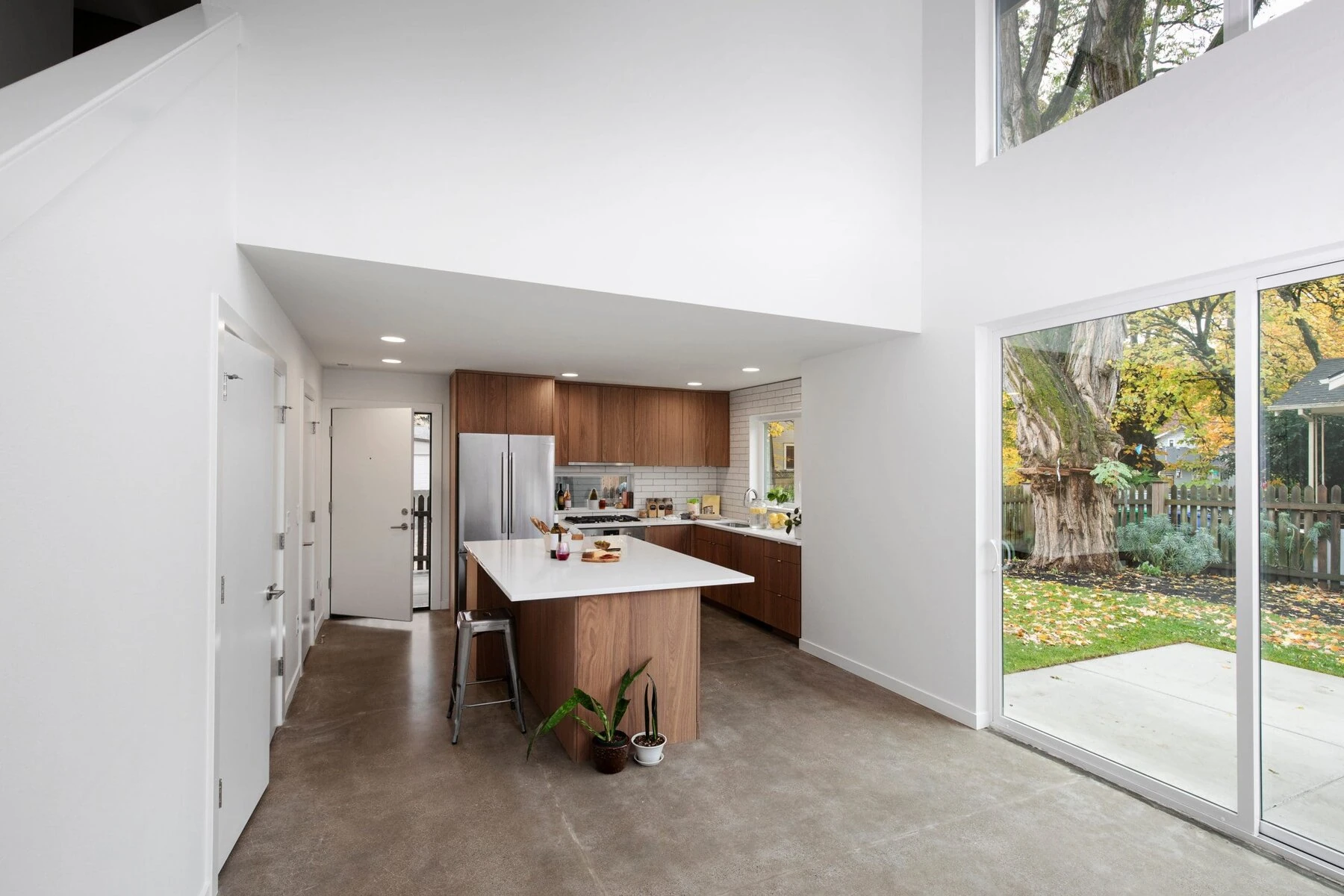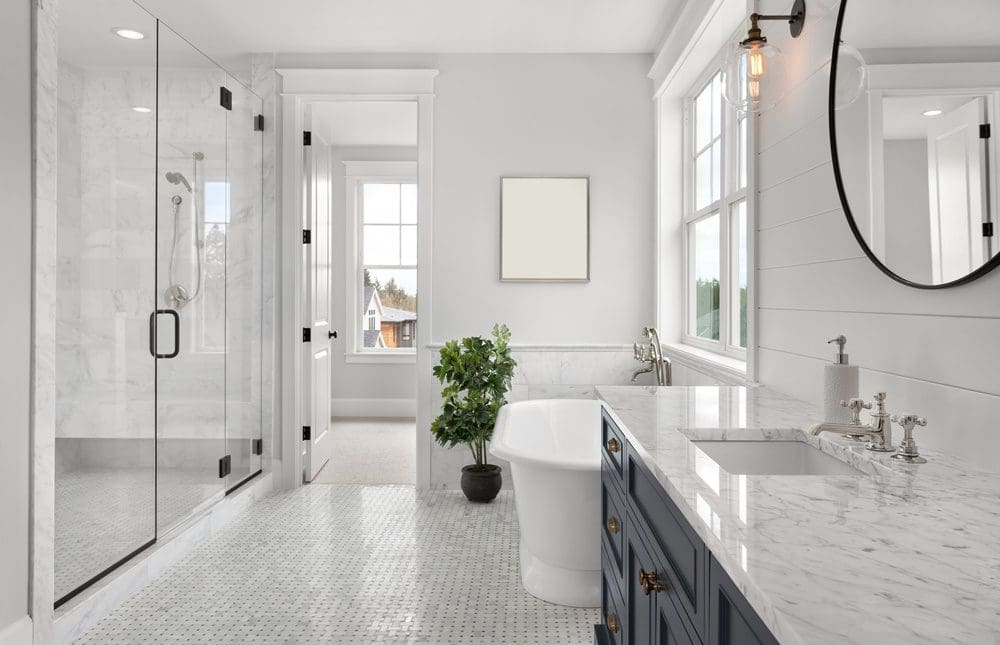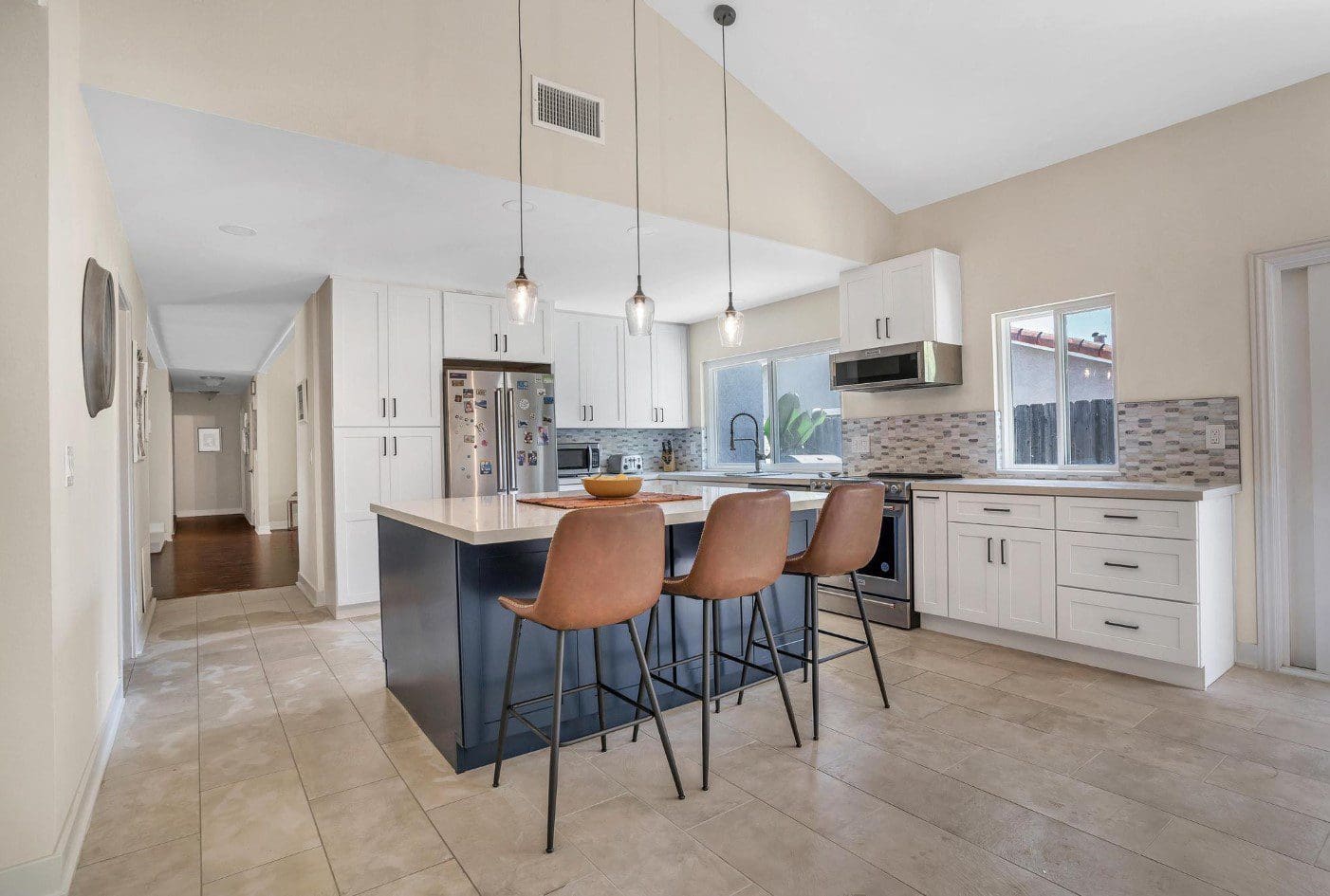
Ever stared at your home and felt a strange mix of love and… sheer frustration? We get it. You love the neighborhood, the light in the living room is perfect at 4 PM, but the kitchen feels like a time capsule from 1992, and don’t even get us started on the bathroom. The dream of a home remodel in San Diego is a powerful one, but the path from “ugh” to “wow” can seem shrouded in mystery, scary price tags, and the daunting quest for the right general contractor.
Well, take a deep breath. We’ve been navigating these waters for years right here in America’s Finest City. Let’s have a real talk about transforming your space, managing expectations, and finding a team that doesn’t make you want to pull your hair out. Spoiler alert: we think Golden Shore Design and Build might just be that team for you.
Table of Contents
Demystifying the San Diego Remodeling Journey
First things first, let’s toss out the one-size-fits-all approach. A room addition is a different beast than a bathroom facelift, and a whole house renovation is its own epic saga. The cost, timeline, and process swing wildly based on what you’re tackling.
So, where do you even start?
Honestly, with a dream and a budget. And no, “as cheap as possible” is not a budget (we say that with love). It’s about aligning your vision with reality. Want a luxury kitchen with all the bells and whistles? Fantastic. Need to prioritize a functional ADU for rental income or family? Also fantastic. The key is clear communication from day one.
We always tell folks: your first investment shouldn’t be in tile or hardwood. It should be in a solid plan. This is where working with a remodeling company that offers home design and 3D design services is a game-changer. Seeing your future space in photorealistic 3D before a single wall comes down? It eliminates the “wait, that’s not what I pictured!” panic. It’s the difference between hoping and knowing.
The Golden Shore Way: More Than Just Hammers and Nails
Okay, let’s get a bit promotional, but we promise it’s useful. When we founded Golden Shore Design and Build, we were fed up with the classic disconnect between the designers dreaming it up and the builders making it happen. It’s like a chef writing a gorgeous recipe and then handing it off to someone else who’s never seen a stove.
We bake collaboration right into our process. Our designers sit with our project managers. This means the beautiful residential concepts we sketch are born with buildability in mind. When you work with us, you’re not getting a pretty picture and then a separate remodeling contractor who grimaces at it. You get one team, from the first sketch to the final walkthrough. It saves time, money, and a tremendous amount of headache. Why contact a dozen different people when you can have one cohesive team right here in San Diego?
Budget Talk: Let’s Be Real About the Price
We’re going to say the quiet part out loud: quality home building and renovation work isn’t cheap. But “expensive” is relative, right? The real question is value. Are you paying for lasting quality, expert craftsmanship, proper permits, and insured professionals? Or are you rolling the dice for the lowest price?
Let’s break down a few common project focuses to give you a ballpark. Remember, these are estimates and can vary based on size, finishes, and site conditions.
| Project Type | Scope & Considerations | Why the Cost Varies |
|---|---|---|
| Kitchen Remodel | Mid-range to high-end. Includes cabinets, countertops, appliances, flooring, lighting, plumbing. | Cabinet quality (custom vs. semi-custom), appliance brands, countertop material (quartz vs. granite) are huge factors. Layout changes moving plumbing/electrical add cost. |
| Bathroom Renovation | Full gut vs. cosmetic update. Includes tile, vanity, plumbing fixtures, shower system, lighting. | Moving the toilet is surprisingly pricey. Waterproofing is non-negotiable. Heated floors, steam showers, and custom glass enclosures elevate the budget (and the luxury). |
| ADU Construction | New detached structure. Includes foundation, framing, all interior/exterior finishes, utilities. | This is essentially building a small house. Utility hookups (new sewer/electrical lines) are major costs. Prefab vs. stick-built changes the equation. |
| Room Addition | Adding square footage. Includes foundation, roof tie-in, matching exterior, integrating HVAC. | Complexity of tying into the existing roof and foundation is key. Ensuring the addition doesn’t look “tacked on” requires skill. |
See what we mean? The devil—and the dollars—are in the details. A good general contractor won’t just give you a number; they’ll help you understand what’s driving it.
Why “Near Me” Searches Can Lead You Astray
We’ve all done it. Typed “nearest remodeling company” or “closest luxury home builders” into Google. IMO, this is a great way to find someone… nearby. But is it the best way to find the right partner for your biggest investment?
Proximity is convenient for sure, but it shouldn’t be the deciding factor. The nearest team might be fantastic, or they might specialize in quick flips, not the custom, lived-in home remodel you’re dreaming of. Instead of just searching for “near,” look for a portfolio that resonates with your style, a process that makes sense to you, and reviews that speak to trust and communication. That’s what we strive to offer at Golden Shore Design and Build—a local San Diego team you can trust, not just one you found because they’re two miles away.
Your Questions, Answered (No Fluff)
Let’s tackle some of the big ones we hear daily.
1. How long will my remodel actually take?
Honest answer? Longer than you hope, but a good team will give you a realistic timeline and stick to it. A kitchen might be 8-12 weeks. A whole house renovation could be 4-6 months. Delays happen (hello, unexpected plumbing issue behind a wall!), but constant communication is what separates the pros from the nightmares. We build buffer time into our schedules because we’re not optimists; we’re realists.
2. Should I get multiple bids?
Absolutely. But here’s the kicker: make sure you’re comparing apples to apples. A suspiciously low bid often means corners are being cut, subpar materials are being used, or costs will pop up later as “surprises.” Compare the scope, the materials list, and the team. FYI, the right fit often matters more than the absolute lowest number.
3. How disruptive is this going to be to my life?
It’s disruptive. Let’s not sugarcoat it. Living in a construction zone is no picnic. For a kitchen remodel, you’ll be setting up a temporary kitchen elsewhere. Dust happens, even with the best containment. A great contractor minimizes this chaos with clear daily protocols, clean-up, and respect for your space. For major projects like a whole house overhaul, moving out is sometimes the sanest (and often fastest) option.
Wrapping This Home Renovation Chat Up
So, where does this leave us? Hopefully, feeling a bit more empowered and a lot less overwhelmed. Transforming your San Diego home should be an exciting chapter, not a horror story. It comes down to planning, partnership, and perspective.
Find a team that listens as much as they talk. One that shows you a 3D design so you can feel the space. One that has the expertise to navigate permits, trades, and timelines without you having to micromanage. We built Golden Shore Design and Build to be exactly that kind of partner—a single source for home design and build that takes the weight off your shoulders.
Ready to stop dreaming and start planning? Let’s have a real conversation about your space. Reach out to us, and let’s see if we’re the right fit to bring your vision to life, one perfectly placed tile (and on-time delivery) at a time 🙂
People Also Ask
The 30% rule in remodeling is a financial guideline suggesting that homeowners should not spend more than 30% of their home's current market value on a single renovation project. This principle helps ensure that your investment does not over-improve the property relative to the neighborhood, which could make it difficult to recoup costs upon resale. For example, if your home is valued at $500,000, a kitchen remodel should ideally not exceed $150,000. While this rule provides a useful benchmark, it is not a hard law. At Golden Shore Design and Build, we always advise clients to balance personal enjoyment with long-term value. For a deeper understanding of project scoping and budgeting, refer to our internal article The Complete Home Renovation Roadmap: A Step‑by‑Step Guide From First Sketch to Final Walkthrough, which offers comprehensive guidance on every phase of a home renovation.
To reduce costs without sacrificing quality, focus on strategic planning and material selection. Keep the same plumbing and electrical layout to avoid expensive relocations, which can save thousands. Choose mid-range finishes like quartz countertops and porcelain tiles, which offer durability and style at a lower price than high-end options. Opt for refacing cabinets instead of full replacements if the structure is sound. At Golden Shore Design and Build, we guide clients through these value-engineering decisions. For a deeper look at budgeting, read our internal article The Hidden Costs Of A Bathroom Remodel (And How To Avoid Them), which details common financial pitfalls and practical solutions to maintain quality while controlling expenses.
A reasonable budget for a kitchen remodel typically falls between 10% and 15% of your home's current market value. For a mid-range renovation, you might allocate $150 to $250 per square foot, while a high-end update can exceed $500 per square foot. It is wise to set aside an additional 10% to 20% of your total budget for unexpected issues like outdated wiring or plumbing. Golden Shore Design and Build recommends starting your planning with our internal article titled Smart Kitchen Reno Tips To Protect Your Budget to help you allocate funds wisely and avoid common financial pitfalls. This ensures your investment aligns with your goals and property value.
Dave Ramsey advises that home renovations should be paid for with cash, not debt. He strongly discourages using credit cards, home equity loans, or any form of borrowing for improvements, as this can lead to financial strain. Instead, he recommends saving up for the project in advance and keeping the budget within a reasonable percentage of your home's value, typically no more than 10-15 percent. For homeowners in San Diego, Chula Vista, National City, La Mesa and Spring Valley CA, this approach aligns with smart financial planning. At Golden Shore Design and Build, we often discuss such budgeting strategies with clients, helping them prioritize essential updates that add value without overextending their finances.