Most homeowners we talk to assume a renovation means one thing: a single, all-at-once construction project that turns your life upside down for a few months, then spits you out the other side with a beautiful home. In reality, that’s rarely how it plays out. Budgets shift, permits stall, kids get sick, and suddenly the idea of living in a construction zone for twelve straight weeks becomes a non-starter. That’s where phasing a renovation comes in.
Phasing means breaking your project into smaller, self-contained chunks that happen over months or even years. It’s not about cutting corners. It’s about matching the work to your actual life and your actual bank account. We’ve seen families in San Diego take this approach with everything from kitchen remodels to whole-home overhauls, and in many cases, it’s the smartest path forward.
Key Takeaways
- Phasing a renovation reduces financial strain by spreading costs over time.
- It allows you to keep living in your home during construction, avoiding expensive temporary housing.
- Phasing works best when each phase is a complete, functional unit—not a half-finished mess.
- Not every project is suitable for phasing; structural or mechanical work often needs to happen all at once.
- Working with a contractor who understands long-term planning is critical to avoid costly rework.
Table of Contents
The Real Reason Most People Phase Their Renovation
It’s almost never about preference. People phase renovations because they have to. Either the money isn’t there all at once, or the disruption of a full-scale demolition is too much for their family to handle. We’ve worked with couples in Point Loma who planned a full kitchen and bathroom remodel, only to realize they couldn’t afford both at the same time without draining their emergency fund. So they did the kitchen first, lived with it for a year, then tackled the bathroom.
That’s not failure. That’s smart resource management. The alternative—taking out a massive loan or rushing through a project with cheap materials—almost always leads to regret. Phasing lets you pay as you go, often with cash, which means no interest payments and no pressure to finish before the credit card bill arrives.
When Phasing Makes the Most Sense
Phasing shines in a few specific situations. If you have a growing family and need more space but can’t afford a full addition right now, you might convert a garage into a bedroom first, then add the bathroom later. If your kitchen is functional but ugly, you can replace cabinets and countertops now, then tackle flooring and backsplash next year.
We also see phasing work well for homeowners in older San Diego neighborhoods like North Park or Normal Heights. These homes often have quirky layouts or outdated systems. You might need to rewire the house before you can safely add a new kitchen. That electrical work is its own phase, and it’s not glamorous, but it’s necessary.
The Hidden Risk of Phasing: Coordination Headaches
Here’s the thing nobody tells you: phasing a renovation without a plan is a recipe for disaster. We’ve walked into homes where someone added a new window in phase one, then realized in phase two that the new window placement made it impossible to install the cabinets they wanted. That’s a costly mistake.
The key is to have a master plan before you start. Even if you’re only doing the living room this year, you need to know where the kitchen island will go three years from now. This is where working with a design-build firm like Golden Shore Design & Build in San Diego makes a difference. We can help you map out the entire project, including structural loads, plumbing runs, and electrical loads, so each phase fits cleanly into the next.
A Real-World Example from Our Work
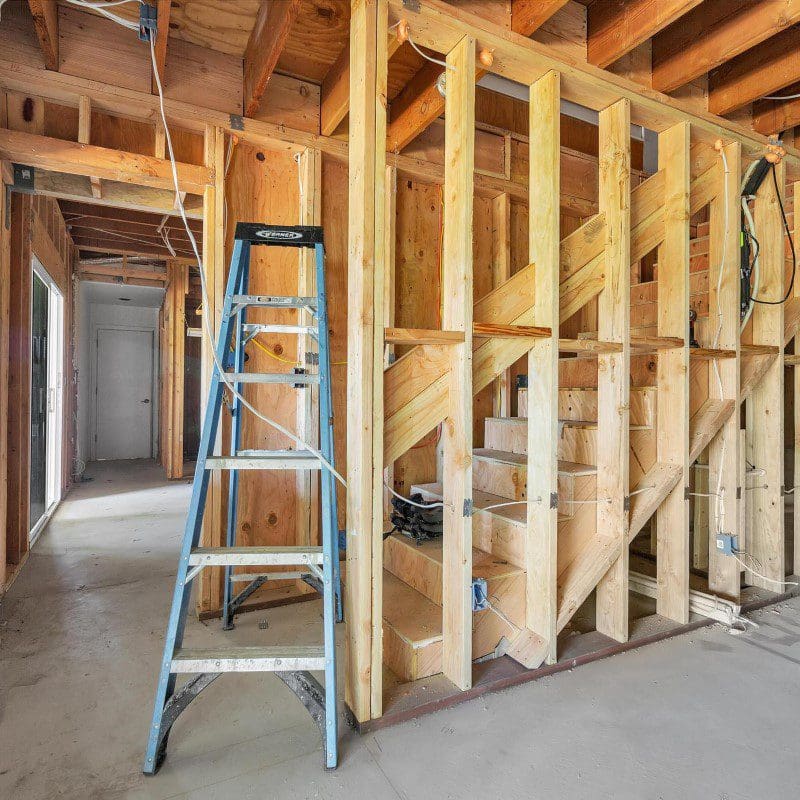
We had a client in Mission Hills who wanted to convert their attic into a master suite. The full quote was $180,000, which was more than they wanted to spend at once. So we broke it into three phases. Phase one was the structural work: reinforcing the floor joists, adding a dormer, and running new HVAC ducts. That cost $70,000 and took six weeks. They lived with a bare, unfinished attic for a year. Phase two was the bathroom rough-in and drywall. Phase three was finishes: tile, fixtures, paint.
The total cost didn’t change. But instead of writing one big check, they paid over eighteen months. And because each phase was a complete, usable space (the attic was technically habitable after phase one, just not pretty), they never had to move out.
Common Mistakes We See with Phased Renovations
People make the same errors over and over. Here are the big ones.
Starting Without a Master Plan
This is the most common. Someone decides to redo the guest bathroom because it’s small and cheap. They pick finishes, hire a contractor, and finish the job. Then two years later, they want to remodel the master bathroom, and they realize the plumbing layout in the guest bath now conflicts with the new master bath design. The guest bath has to be ripped out and redone. That’s money down the drain.
Assuming Phasing Is Always Cheaper
It’s not. Phasing often costs more in total because you pay for mobilization and permits multiple times. A contractor has to set up and tear down for each phase. Permits are filed separately. Materials might go up in price between phases. We’ve seen tile prices double in two years. If you can afford to do it all at once, you usually save 10–15% on the total project.
Choosing the Wrong Order
Some work has to come first. If you need to replace your roof, that’s phase one, not phase three. If you’re adding a second story, the foundation work must be done before anything else. We’ve seen homeowners try to do interior finishes first, only to have them damaged by later structural work. That’s frustrating for everyone.
How to Decide If Phasing Is Right for You
There’s no one-size-fits-all answer. But we’ve developed a simple framework over the years. Ask yourself these questions.
| Question | If Yes | If No |
|---|---|---|
| Can you afford the full project in cash or with a manageable loan? | Do it all at once. | Consider phasing. |
| Is your family okay with living in a construction zone for 3–6 months? | Do it all at once. | Phase the work. |
| Does the project involve major structural or mechanical changes? | Do it all at once if possible. | Phasing is risky; get a master plan first. |
| Are you willing to wait 1–3 years for the finished result? | Phasing works well. | Do it all at once. |
| Do you have a clear, written plan for all phases? | Proceed with phasing. | Stop and make a plan first. |
This table isn’t about selling you on phasing. It’s about helping you avoid a bad decision. If you answer “no” to the master plan question, do not start phasing. You will regret it.
The Financial Side: Loans, Savings, and Timing
Let’s talk money for a second. Phasing doesn’t just spread out the cost; it changes how you finance the work. If you use a home equity line of credit (HELOC), you can draw only what you need for each phase, which keeps interest costs lower than a lump-sum loan. If you’re paying cash, phasing lets you replenish your savings between phases.
But there’s a flip side. If your income is unstable or you’re relying on bonuses or tax refunds, phasing can drag on longer than expected. We’ve seen projects that were supposed to take two years stretch to five because the homeowner kept hitting financial snags. That’s not the contractor’s fault, but it’s a reality.
Why San Diego Homeowners Face Unique Challenges
San Diego has its own quirks. The climate is mild, which means you can work year-round, but the permitting process can be slow, especially in coastal zones or historic districts. If you’re in La Jolla or Coronado, you might face additional review boards that add months to each phase. We’ve had clients who planned a three-phase project over two years, only to spend the first year just getting permits for phase one.
Also, labor costs here are high. Tradespeople are in demand. If you phase a project, you might lose your contractor between phases because they book other jobs. That’s not a problem if you have a long-term agreement, but it’s something to plan for.
When Phasing Is a Bad Idea
Let’s be honest: phasing isn’t always the answer. If your project involves significant structural changes—like removing load-bearing walls, adding a second story, or replacing the main sewer line—you’re better off doing it all at once. These systems are interconnected. Doing one part now and another later often means tearing out work you already paid for.
Also, if you’re planning to sell your home within two years, phasing probably doesn’t make sense. You won’t recoup the value of a half-finished project. Buyers want move-in ready, not a construction site with a promise.
When to Call a Professional
If you’re reading this and thinking, “I can manage this myself,” stop. Phasing a renovation without professional guidance is like performing surgery on yourself. You might get lucky, but the odds are against you. A good contractor or design-build firm can help you sequence the work, file permits correctly, and avoid the costly mistakes we’ve described.
At Golden Shore Design & Build in San Diego, we’ve seen both sides of this coin. We’ve helped families phase projects successfully, and we’ve fixed messes caused by homeowners who tried to wing it. If you’re considering a phased renovation, the best thing you can do is sit down with someone who’s done it before and map out the whole thing—even if you don’t hire them for the work.
Final Thoughts on Phasing
Phasing a renovation is a tool, not a shortcut. It can save your sanity and your savings account, but only if you approach it with discipline. Start with a master plan. Be honest about your timeline and budget. Accept that it might cost more in the long run. And if you’re in San Diego, remember that our local climate, permitting, and labor market all play a role in how smoothly things go.
At the end of the day, your home is supposed to work for you, not the other way around. If phasing lets you sleep better at night and keeps your family safe from financial stress, it’s worth considering. Just don’t dive in without a map.
People Also Ask
The 30% rule for renovations is a financial guideline suggesting that you should not spend more than 30 percent of your home's current market value on a single renovation project. This rule helps ensure that your investment does not over-improve the property relative to the neighborhood, which could make it difficult to recoup costs upon resale. For example, if your home is valued at 500,000 dollars, you should aim to keep a major kitchen or bathroom remodel under 150,000 dollars. At Golden Shore Design and Build, we always advise clients in San Diego, Chula Vista, National City, La Mesa, and Spring Valley to consider this rule alongside local market trends. It is a useful benchmark, but not a strict limit, as specific projects and neighborhoods may allow for higher spending without diminishing returns.
The number one home design regret among homeowners is not planning for enough storage space. Many people focus on aesthetics during the initial design phase, overlooking the practical need for closets, cabinets, and organizational areas. This leads to cluttered living spaces and frustration over time. Industry experts recommend incorporating built-in shelving, multi-functional furniture, and hidden storage solutions from the start. At Golden Shore Design and Build, we emphasize the importance of balancing visual appeal with functionality to avoid this common pitfall. Proper planning for storage ensures your home remains comfortable and organized for years to come.
Dave Ramsey advises that home renovations should be paid for with cash, not debt. He strongly recommends avoiding loans or credit cards for projects, as this can lead to financial strain. Instead, he suggests saving up for the renovation in advance, ensuring it fits within your budget. Ramsey also emphasizes the importance of prioritizing essential repairs over cosmetic upgrades. For homeowners in San Diego, Chula Vista, National City, La Mesa and Spring Valley CA, Golden Shore Design and Build aligns with this philosophy by offering transparent pricing and helping clients plan projects that stay within their financial means. We recommend getting multiple quotes and sticking to a detailed plan to avoid overspending.
The most common renovation regrets often stem from poor planning and budget mismanagement. Homeowners frequently regret skimping on quality materials for high-traffic areas like flooring or countertops, leading to premature wear and costly replacements. Another major regret is neglecting proper storage solutions, which results in cluttered spaces. Many also wish they had prioritized functional layout over trendy designs, as fads quickly become outdated. Inadequate lighting is another frequent oversight, making rooms feel smaller and less inviting. To avoid these pitfalls, thorough research and a clear, prioritized plan are essential. Golden Shore Design and Build emphasizes the importance of balancing aesthetics with durability and long-term livability to ensure your renovation adds lasting value and satisfaction.