Ever stared at your kitchen and wondered, “Did they build these cabinets in the dark?” Or maybe your bathroom has that charming, vintage 1980s pink tile that you’re just so over. We feel you. Deciding to tackle a home remodel is equal parts thrilling and terrifying. Where do you even start? Do you call the nearest handyman, the closest big-box store, or do you hunt down a specialized remodeling contractor?
Well, pull up a chair. Let’s talk about how to navigate the wild world of renovation without losing your mind or your life savings. As a remodeling company right here in San Diego, we at Golden Shore Design and Build have seen it all, from the “we just need new faucets” projects that turn into full-blown whole house adventures, to the meticulously planned luxury home builds. We’re here to be your friendly guide.
The Great Debate: DIY vs. Hiring a Pro
We get it. There are a million tutorials online. How hard can it be to install a toilet? (Famous last words, right?)
When DIY Makes Sense (And When It Really, Really Doesn’t)
Let’s be honest, we all have that friend who watched a YouTube video and now thinks they’re a general contractor. Sometimes, a fresh coat of paint or swapping out some cabinet hardware is a perfect weekend project. But for the big stuff? That’s where the cost of a DIY project can quickly eclipse the price of hiring a professional.
- You might be ready to DIY if: The project is cosmetic, requires no permits, and a mistake means a trip to Home Depot, not a call to your home insurance agent.
- You should definitely call a pro like us when: The words “load-bearing wall,” “main electrical line,” or “plumbing stack” are involved. We’ve spent years building relationships with the nearest building departments, so we handle all the permit headaches for you. IMO, your time is better spent enjoying your new space, not arguing with a city inspector.
The Hidden “Oops” Factor
What’s the real price of a DIY mishap? It’s not just the money. It’s the time, the frustration, and the potential devaluation of your biggest investment—your home. A professional remodeling contractor brings a team who knows what to look for behind the walls before they start swinging hammers.
Blueprint for Success: The Design-Build Advantage
So, you’ve decided to hire a pro. Fantastic! But not all residential construction companies are created equal. There’s a big difference between a traditional setup and what we call the Design-Build model.
Why We’re Head Over Heels for Design-Build
In a traditional model, you hire an architect for your home design, then you take those plans and shop them around to various builders. This can lead to… well, let’s just call it “creative interpretation.” The builder might see a detail and think, “Well, that’s going to blow the budget, I’ll just change it.” Cue the misunderstandings.
With Design-Build, our home design and construction teams are under one roof. We start with your vision and use 3D design software to bring it to life before we ever order a single two-by-four. You get to take a virtual tour of your new kitchen or bathroom. You can see the sightlines, the lighting, and the flow. This process eliminates nearly all the surprises, both in the final look and the final cost.
Seeing is Believing: The Power of 3D Design
Remember that scene in every sci-fi movie where they wave their hand and a 3D blueprint appears? That’s basically what we do. Okay, maybe it’s slightly less dramatic, but the 3D design phase is a game-changer. It allows us to make changes on the screen, not when the drywall is already up. This is one of the core things that sets Golden Shore Design and Build apart. We want you to be 100% in love with the design before we commit, ensuring your home remodel is exactly what you dreamed of.
Your Project, Your Rules: A Quick-Start Guide
Let’s break down the different types of projects you might be considering. It’s not one-size-fits-all, and the general contractor you choose should have specific experience in your area of interest.
Picking Your Project Path
- The Heart of the Home: Kitchen & Bathroom Remodels
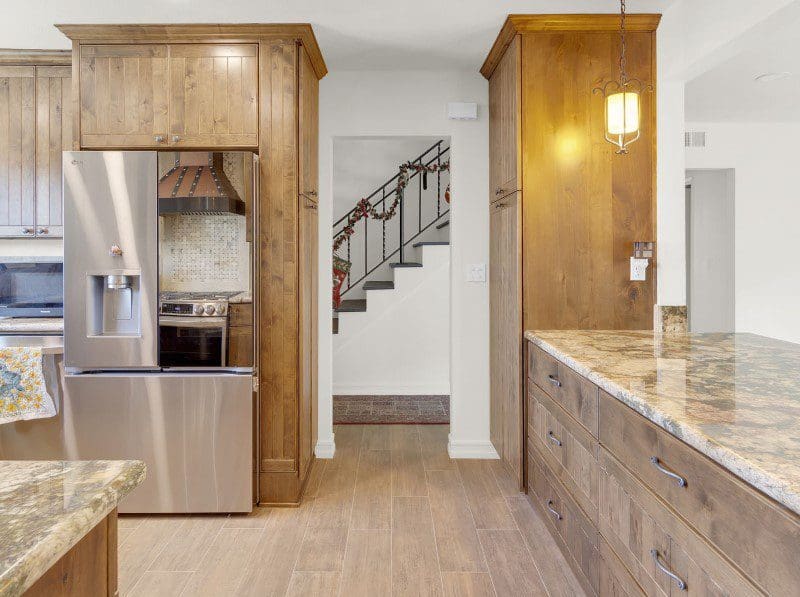
These are the big ones. A kitchen remodel offers one of the highest returns on investment, but it’s a complex dance of plumbing, electrical, and cabinetry. A bathroom renovation, while smaller, is its own special puzzle of waterproofing and space planning. We live for this stuff. - The Game Changer: ADUs and Room Additions
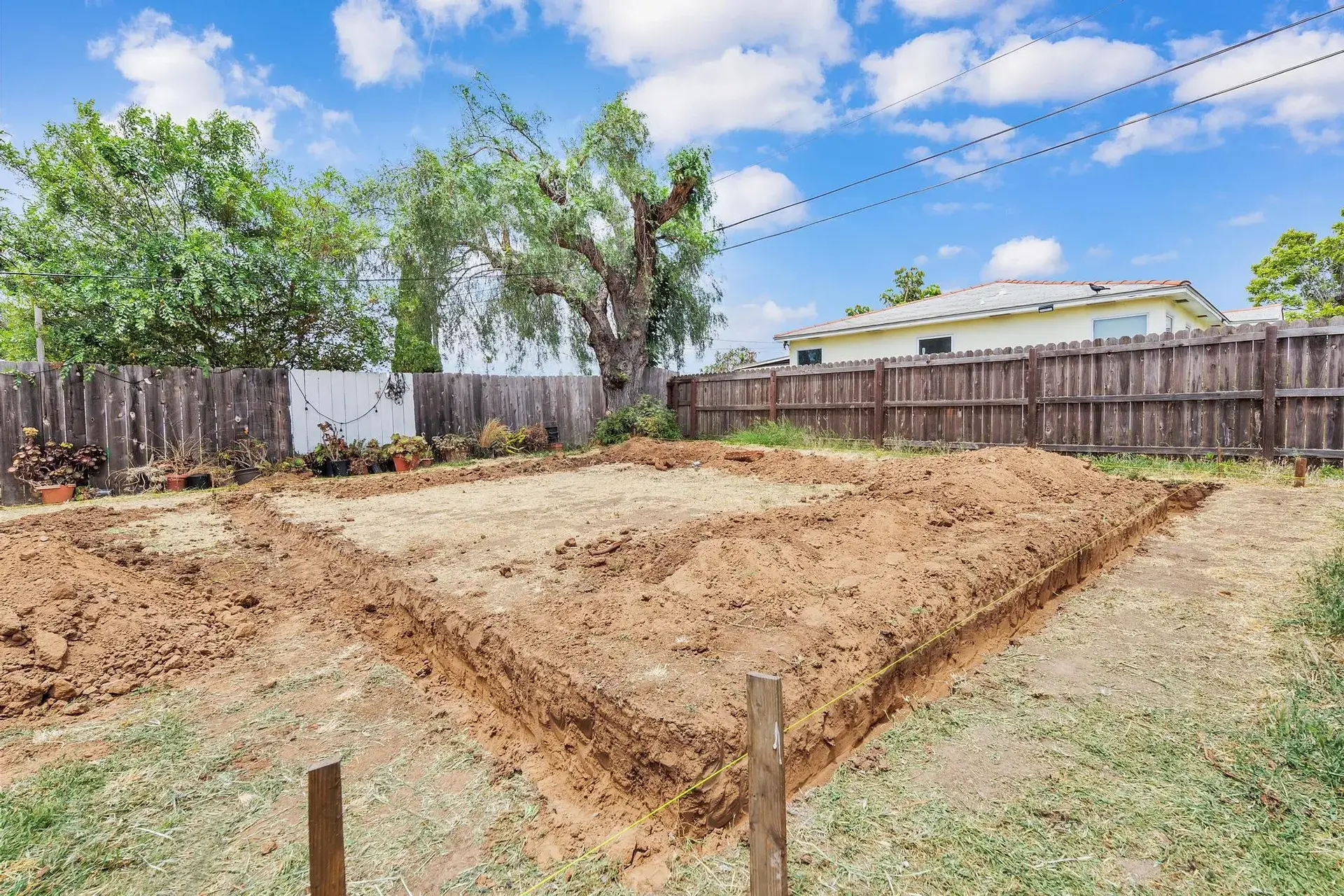
Need more space but don’t want to move? An ADU (Accessory Dwelling Unit) or a room addition is your answer. Whether it’s for family, a rental, or a home office, this is essentially home building on your existing property. It’s a significant undertaking, but the value it adds—both in lifestyle and property worth—is immense. - The Ultimate Transformation: Whole House Remodel & New Builds
This is the big league. A whole house remodel or working with luxury home builders for a custom build is a marathon, not a sprint. It requires meticulous planning, a deep level of trust, and a team that can manage a thousand moving parts seamlessly. This is where our full-service approach truly shines.
To help you visualize the scope, here’s a handy table comparing these common projects:
| Project Type | Ideal For | Key Considerations | Why It’s Awesome |
|---|---|---|---|
| Kitchen/Bath Remodel | Updating style, improving function, increasing home value. | Layout changes, appliance/ fixture selection, temporary loss of a crucial room. | Huge impact on daily life and resale value. It’s like getting a new home without moving. |
| ADU / Room Addition | Growing families, creating rental income, needing dedicated space (office, gym). | Zoning laws, permits, foundation work, integrating with existing structure. | Adds significant square footage and functionality. An ADU can pay for itself over time. |
| Whole House Remodel | Homes that are outdated, inefficient, or no longer fit your lifestyle. | Phasing, potential temporary relocation, budget management for a large scale. | Completely customizes your entire living environment to your exact needs and taste. |
| Custom New Build | Those with a specific vision and a vacant lot. | Land development, architectural style, long-term planning, home building codes. | You get everything you want, exactly how you want it, from the ground up. No compromises. |
The Million-Dollar Question: How Much Does This All Cost?
Ah, the dreaded budget talk. Let’s not tiptoe around it.
Demystifying the Price Tag
If you ask us for a price over the phone without any details, we’ll probably chuckle (and you should be wary of anyone who doesn’t). The cost of a home remodel in San Diego depends on a galaxy of factors: the quality of materials, the size of the space, the complexity of the work, and, yes, the current state of the supply chain.
The biggest tip we can give you? Invest in the planning. A detailed plan from a reputable remodeling company is worth its weight in gold. It locks in your cost and scope, preventing those scary “change orders” that blow up your budget. When you work with Golden Shore Design and Build, we are transparent from day one. We provide a clear, detailed proposal so you know exactly what you’re investing in. FYI, a well-planned project is almost always a lower-stress project.
Your Top Questions, Answered
We hear these all the time, so let’s tackle them head-on.
The Questions We Get All The Time
1. How long will my project take?
This is the “are we there yet?” of the remodeling world. A simple bathroom might take 4-6 weeks, while a whole house renovation can take several months. The timeline is directly tied to the scope, and we build a detailed schedule for every project. We communicate that timeline with you every step of the way because nobody likes surprises.
2. How do I find the best general contractor near me?
Don’t just Google “general contractor near me” and pick the first one. Look for:
- Strong, verifiable reviews and a portfolio you love.
- Proper licensing and insurance (non-negotiable!).
- A company that listens more than they talk.
We’re biased, but we think the team at Golden Shore Design and Build checks all those boxes and then some 🙂
3. Can we live in the house during the renovation?
For smaller projects like a single bathroom or kitchen, often yes, but you have to be prepared for dust, noise, and a bit of chaos. For larger whole house projects, it’s usually best to find temporary digs nearby. We’ll be honest with you about what to expect so you can make the best choice for your family.
Let’s Build Something Amazing Together
So, there you have it. A home remodel is a journey, but it doesn’t have to feel like you’re trekking through the wilderness without a map. It’s about finding a partner you trust, a team that communicates, and a process that excites you.
If you’re in the San Diego area and you’re dreaming of a new kitchen, a cozy ADU, or a full residential transformation, we’d love to chat. At Golden Shore Design and Build, we don’t just build houses; we build the spaces where your life happens. So, what are you waiting for? Let’s turn that dream into your new address.