Ever stood in the middle of your own home and felt a profound sense of… meh? We get it. You love your neighborhood, you love the San Diego sunshine, but your house itself just isn’t keeping up with your life. Maybe the kitchen feels like a relic from a bygone era, or you’re desperately dreaming of a bathroom that doesn’t induce a sigh. Perhaps your family is growing and the walls are literally closing in.
Well, take a deep breath. We’re about to walk through the wonderful, sometimes bewildering, world of home transformation. Whether you’re thinking about a simple refresh or a full-blown custom home building adventure, we’ve been there, done that, and have the (dust-covered) t-shirt to prove it. Let’s demystify this process together, shall we?
Table of Contents
First Things First: What Even Is Your Project?
Before we get lost in the beautiful abyss of 3D design renders and fixture catalogs, we need to define the beast. The world of residential improvement has its own language, and understanding the terms is half the battle.
The “What Are We Actually Doing?” Glossary
The Tweak
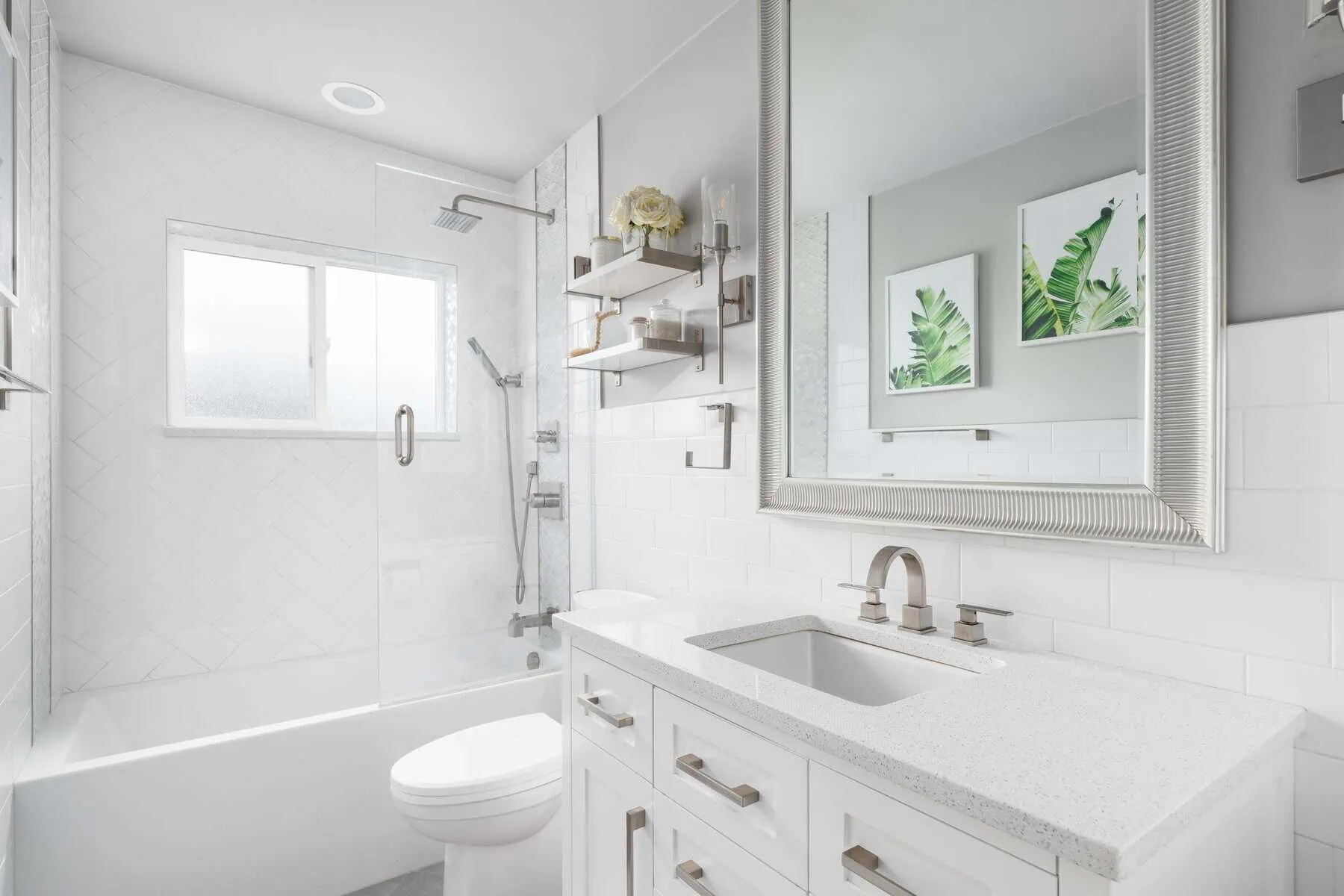
- Home Remodel: This is when we change the structure or layout of a space. Think knocking down a wall to create an open-concept kitchen or combining two small bedrooms into one master suite. It’s surgery for your house.
- Room Addition: This is pretty straightforward—we’re adding brand-new square footage to your home’s footprint. It’s the ultimate solution for a growing family that isn’t ready to move.
The Overhaul
- Whole House Renovation: This is the big one. It’s a series of coordinated remodels and updates across the entire property. It’s not for the faint of heart, but the payoff is a completely cohesive and modernized home.
- Custom Home Building: Starting from a blank slate. This is for when you have a vision for a luxury home that doesn’t exist yet, and you need a team of luxury home builders to bring it to life.
The Game-Changer
- ADU (Accessory Dwelling Unit): Ah, the mighty ADU. This is a secondary, independent living space on your property. It’s arguably one of the smartest investments a San Diego homeowner can make right now. Generate rental income, create a space for family, or build the ultimate home office—all while increasing your property value. IMO, it’s a no-brainer.
So, which one sounds like your situation? Knowing this helps us set the stage for everything that comes next, especially when we start talking to the pros.
Finding Your Remodeling Soulmates (Aka, The Contractor Talk)
Let’s be real for a second. The horror stories you hear about home improvement projects usually stem from one thing: hiring the wrong team. Finding a great general contractor isn’t just about who has the flashiest truck or the lowest price. It’s about trust, communication, and proven results.
How to Vet Your Remodeling Company Without Losing Your Mind
We can’t speak for everyone, but at Golden Shore Design and Build, we believe transparency is everything. Here’s what you should be looking for in a top-tier remodeling contractor:
- Communication is King: You want a team that listens more than they talk. Are they understanding your vision, or just pushing their own agenda?
- Portfolio Power: Don’t just glance at the pictures. Look for projects that resonate with your style. A great portfolio shows range and skill.
- The “Vibe Check”: Do you actually like these people? You’re going to be in a long-term relationship with them. Trust your gut.
And here’s a pro tip: when you’re searching for the “nearest” or “closest” contractor, don’t just pick the one with the best Google Maps ranking. A company based nearby, like us here in San Diego, has a built-in network of local suppliers and understands the specific permitting hurdles of our city. That local knowledge saves time, stress, and honestly, a whole lot of money in the long run.
The Dreaded “C” Word: Cost & Budgeting
Alright, let’s talk about it. The price. The budget. The thing that keeps most people up at night. We’re going to lay it out as plainly as we can. The cost of your home remodel or renovation is not a single number; it’s a spectrum influenced by a thousand tiny decisions.
To give you a fighting chance, here’s a basic breakdown of what you might be looking at for different project scopes in the current San Diego market. FYI, these are ballpark figures and can vary wildly based on finishes, size, and site conditions.
| Project Type | Average Investment Range (San Diego) | What That Typically Includes |
|---|---|---|
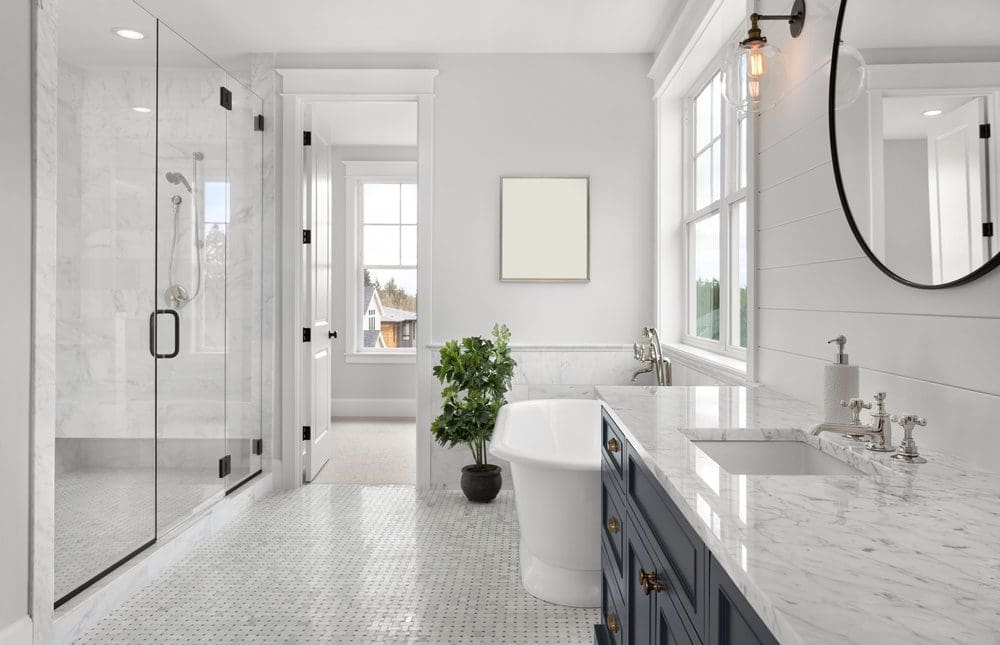
| Bathroom Remodel | $25,000 – $65,000+ | New fixtures, tile, vanity, lighting, plumbing, and potentially layout changes. |
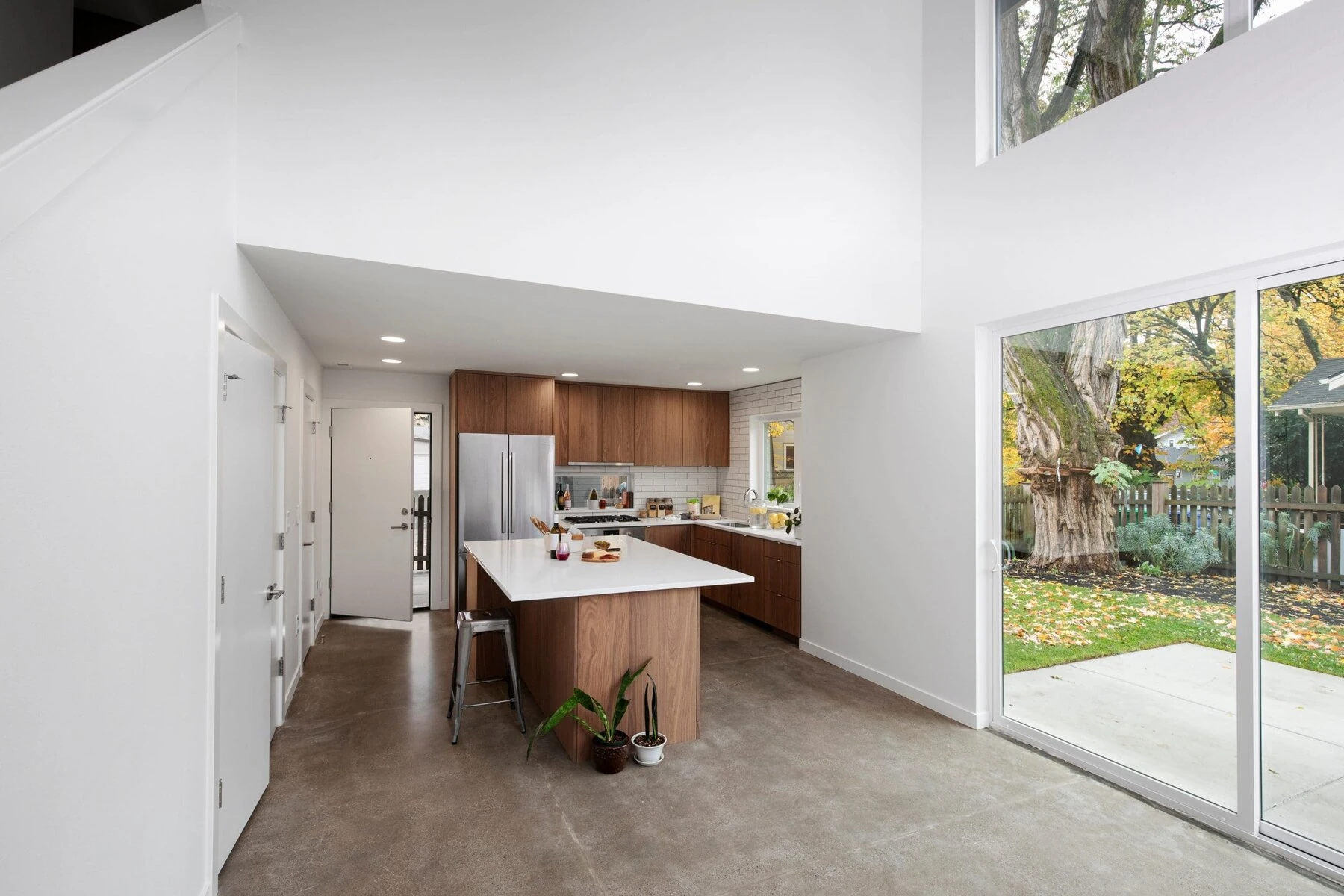
| Kitchen Remodel | $45,000 – $120,000+ | New cabinets, countertops, appliances, flooring, lighting, and island installation. |
| ADU Construction | $150,000 – $400,000+ | A fully self-contained unit with a kitchen, bathroom, and living space. |
| Whole House Renovation | $100,000 – $300,000+ | A comprehensive update of multiple systems and rooms, often including structural changes. |
See what we mean? It’s a range. The biggest factors that influence the final cost are:
- Scope of Work: A cosmetic refresh is a fraction of the cost of moving plumbing and walls.
- Material Selection: That hand-painted Italian tile is gorgeous, but it comes with a different price tag than porcelain.
- Labor: You’re paying for skill and expertise. This is not the place to cut corners.
The best way to get a real handle on your project’s cost? Get a detailed, transparent quote. When you talk to us at Golden Shore Design and Build, we walk you through every single line item so there are no nasty surprises. Because nobody likes surprises when it comes to their bank account :/
The Magic of Seeing It Before You Build It
Remember that scene in every sci-fi movie where they show a hologram of the thing they’re about to build? That’s basically what modern 3D design is for your home project, and it’s a total game-changer.
Why 3D Design is Your New Best Friend
Gone are the days of trying to decipher blueprints and hoping you’ll like the final product. With 3D design, we can build your entire project in a virtual world first. You can:
- Take a virtual walkthrough of your new kitchen before a single wall comes down.
- See how the light will fall in your new bathroom at different times of the day.
- Swap out cabinet colors, flooring, and fixtures with a click.
This process saves us all from costly change orders mid-construction. You get to be 100% confident in the design because you’ve already “lived” in it. It turns the abstract into the tangible, and frankly, it’s the most fun part of the planning phase.
Your Burning Questions, Answered
We hear these all the time. Let’s clear a few things up.
The FAQ Roundup
How long does a typical home remodel in San Diego actually take?
Great question. There’s no one-size-fits-all answer, but a bathroom might take 4-8 weeks, a kitchen 8-16 weeks, and a full house renovation or ADU 6-12 months. The timeline depends on complexity, permits (a classic San Diego variable), and material availability. A good general contractor will give you a realistic schedule and keep you updated every step of the way.
Should I stay in my home during the renovation?
For a small bathroom or kitchen remodel, you can probably tough it out with some creative living arrangements. But for a whole house renovation or a room addition that impacts key living areas? We highly recommend finding a temporary place to stay. It’s better for your sanity and allows the crew to work more efficiently. Trust us on this one.
How do we get started with a company like Golden Shore Design and Build?
It’s simpler than you think. It starts with a conversation. We sit down, we listen to your dreams, your frustrations, and your budget. We then craft a vision, backed by a detailed plan and a 3D design. From there, we handle all the heavy lifting—permits, scheduling, construction—with you as our partner every step of the way. Our goal is to make the process as exciting and stress-free as the final result.
The Final Walk-Through
So, there you have it. Transforming your home from “meh” to magnificent isn’t just about hammers and nails. It’s about a clear vision, a trusted partner, and a process that respects your time, your budget, and your sanity.
It’s about finding a team that sees the potential in your existing home and has the skill to unlock it. Whether it’s a kitchen that becomes the heart of your home, a bathroom that feels like a spa, or an ADU that secures your financial future, the right path forward is out there.
Ready to stop dreaming and start building? Let’s have a chat. We’re just a phone call away and, if you’re in San Diego, probably your nearest, most dedicated ally in creating the home you truly deserve.
Related Articles
People Also Ask
Many homeowners choose quartz over granite because quartz countertops are non-porous, meaning they do not require sealing and are highly resistant to stains, bacteria, and mold. This makes them a low-maintenance option for busy kitchens. Quartz also offers a more uniform appearance with a wide range of consistent colors and patterns, which appeals to those seeking a modern, streamlined look. While granite is valued for its natural veining and heat resistance, quartz provides superior durability against chipping and cracking. For clients in San Diego, Chula Vista, National City, La Mesa and Spring Valley CA, Golden Shore Design and Build often recommends quartz for its ease of care and long-lasting beauty, especially in households with heavy daily use.
The most popular countertop right now is quartz, due to its durability, low maintenance, and wide range of design options. Quartz offers the look of natural stone without the need for sealing, making it ideal for busy kitchens. Many homeowners in San Diego, Chula Vista, National City, La Mesa and Spring Valley CA are choosing quartz for its resistance to stains and scratches. Porcelain slabs are also gaining traction for their heat resistance and thin profile. When selecting a countertop, consider your lifestyle and budget. Golden Shore Design and Build can help you explore these top choices to find the perfect fit for your home.
Yes, you can place a hot cup of coffee on quartz countertops, but it is important to use a trivet or coaster for protection. Quartz is engineered with resins that can be sensitive to extreme and prolonged heat. While brief contact with a warm mug is generally safe, direct exposure to very hot cookware or a cup straight from the microwave may cause thermal shock or damage the resin over time. To preserve the beauty and durability of your surfaces, always use a heat-resistant pad. For expert advice on maintaining your countertops, Golden Shore Design and Build recommends following standard care practices to ensure long-lasting performance.
While quartz countertops are durable, there are a few negatives to consider. First, they are not heat resistant; placing a hot pan directly on the surface can cause cracking or discoloration. Second, quartz can be damaged by prolonged exposure to direct sunlight, which may cause yellowing over time. Third, the seams on quartz countertops are often more visible than on natural stone, which can affect the overall look. Finally, quartz is a heavy material that requires professional installation. At Golden Shore Design and Build, we always advise homeowners to weigh these factors against their lifestyle needs before making a final decision.
When comparing marble, granite, and quartz, price is a key factor influenced by rarity, durability, and fabrication. Granite is typically the most affordable natural stone, with mid-range options costing less than premium slabs. Marble sits at a higher price point due to its luxury status and softer composition, which requires more careful maintenance. Quartz, being an engineered stone, falls in a similar range to mid-to-high-end granite but offers consistent color and non-porous surfaces. For homeowners in San Diego, Chula Vista, National City, La Mesa, and Spring Valley, Golden Shore Design and Build recommends balancing budget with lifestyle needs. Quartz provides low maintenance, while natural stones offer unique veining. Always request a detailed quote for your specific project size and edge profile.
When deciding between granite and quartz countertops, the main differences lie in maintenance and durability. Granite is a natural stone, offering unique veining and heat resistance, but it requires annual sealing to prevent stains. Quartz, an engineered stone, is non-porous and never needs sealing, making it more hygienic and low-maintenance. However, quartz can be damaged by high heat, so trivets are essential. For a balanced perspective on cost and value, you can review our internal article titled Maximizing Your Remodeling Budget Without Sacrificing Quality. Ultimately, your choice depends on your lifestyle. If you prioritize heat tolerance and natural beauty, granite is a strong option. If you prefer a consistent look with minimal upkeep, quartz is ideal. Golden Shore Design and Build can help you evaluate both materials for your specific project in San Diego.
When choosing between quartz, granite, and marble countertops, each material offers distinct advantages. Quartz is an engineered stone that is non-porous, highly durable, and requires no sealing, making it ideal for busy kitchens. Granite is a natural stone that provides a unique, heat-resistant surface, but it must be sealed periodically to prevent stains. Marble offers a classic, elegant appearance with unique veining, yet it is softer and more porous, making it prone to etching and scratching. For homeowners in San Diego, Chula Vista, National City, La Mesa and Spring Valley CA, Golden Shore Design and Build can help you evaluate these options based on your lifestyle, maintenance preferences, and budget to select the perfect countertop for your home.
When comparing quartz and granite, the price per square foot can vary based on quality, origin, and finish. Generally, granite ranges from $40 to $100 per square foot for the material alone, while quartz typically costs between $50 and $120 per square foot. Granite is a natural stone, so its price is heavily influenced by rarity and veining patterns. Quartz, being engineered, offers more consistent pricing and colors. Both materials require professional installation, which adds $15 to $30 per square foot. For homeowners in San Diego, Chula Vista, National City, La Mesa and Spring Valley CA, understanding these costs helps in planning a kitchen or bathroom remodel. For a deeper look at cost-effective strategies, we recommend reading our article Maximizing Your Remodeling Budget Without Sacrificing Quality, which provides practical advice on balancing budget and quality. Golden Shore Design and Build can assist in selecting the best option for your project.
When choosing between quartz, granite, and quartzite countertops, the primary difference lies in maintenance and durability. Quartz is an engineered stone that is non-porous, meaning it never needs sealing and resists stains and bacteria, making it low-maintenance. Granite is a natural stone that requires periodic sealing to prevent staining, but it offers a unique, organic look. Quartzite is also natural but is harder and more heat-resistant than granite; however, it is porous and must be sealed regularly. For a busy kitchen in San Diego, Golden Shore Design and Build often recommends quartz for its ease of care, though many clients prefer the natural beauty of quartzite or granite for a custom aesthetic.
When choosing between quartz, granite, and laminate countertops, each material offers distinct advantages. Quartz is an engineered stone that is non-porous, making it highly resistant to stains and bacteria without needing sealing. Granite is a natural stone that provides a unique, high-end look but requires periodic sealing to prevent staining. Laminate is the most budget-friendly option, available in many patterns, but it is less durable against heat and scratches. For homeowners in San Diego, Chula Vista, National City, La Mesa and Spring Valley CA, Golden Shore Design and Build recommends considering your lifestyle and budget. Quartz is ideal for low-maintenance kitchens, granite for a premium natural aesthetic, and laminate for cost-effective updates.
When comparing quartz and granite for heat resistance, granite is the superior choice. Granite, being a natural stone, can withstand higher temperatures without damage, making it ideal for placing hot pots and pans directly on the surface. Quartz, however, is an engineered stone that uses resin binders, which can melt or discolor when exposed to high heat. For this reason, it is strongly recommended to always use trivets or hot pads with quartz countertops. At Golden Shore Design and Build, we advise clients to consider their cooking habits carefully. If you frequently place hot cookware on your counters, granite may be the more durable option for your kitchen.