Ever stare at your house and feel a deep, profound sense of “meh”? We get it. One day you’re blissfully making toast, and the next, you’re side-eyeing your kitchen cabinets like they personally offended you. That nagging feeling is the renovation itch, and once it starts, good luck ignoring it. But between dreaming of a spa-like bathroom and the terrifying reality of permits, dust, and budgets, the whole process can feel overwhelming. Where do we even start?
Well, take a deep breath. We’ve been navigating the wild world of San Diego home remodels for years, and we’re here to talk you through it. No jargon, no pressure—just a friendly chat about turning your “meh” into “wow.”
The Great San Diego Dilemma: Move or Improve?
Let’s tackle the big question first. In a market like ours, with prices doing their best impression of a SpaceX launch, moving isn’t always the answer. Sometimes, the best investment is the one you’re already living in. A strategic home remodel or room addition can give you the space and function you crave without the hassle of bidding wars and moving trucks.
Think about it: do you really want to leave your perfect neighborhood, your favorite local spot, that one neighbor who actually returns your hedge clippers? IMO, enhancing what you have often wins. This is where a clear-eyed chat about cost versus value comes in. A general contractor worth their salt won’t just talk price; they’ll help you understand the long-term play.
Picking Your Project: From Quick Fixes to Whole-House Adventures
Not every itch requires a full-body scratch. Your project should match your life, your budget, and your sanity threshold.
The Power Players: Kitchen & Bathroom
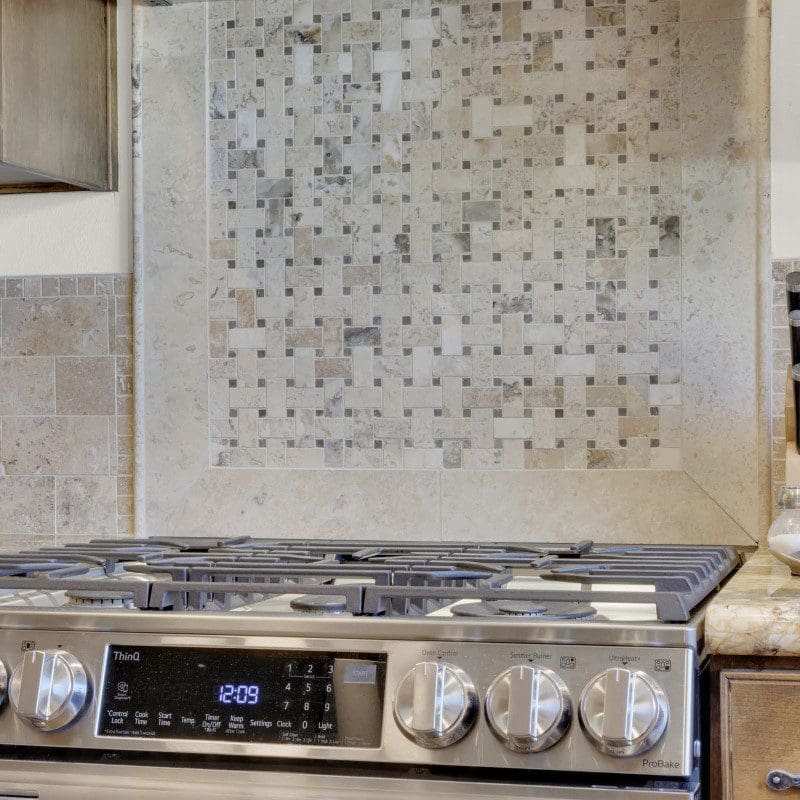
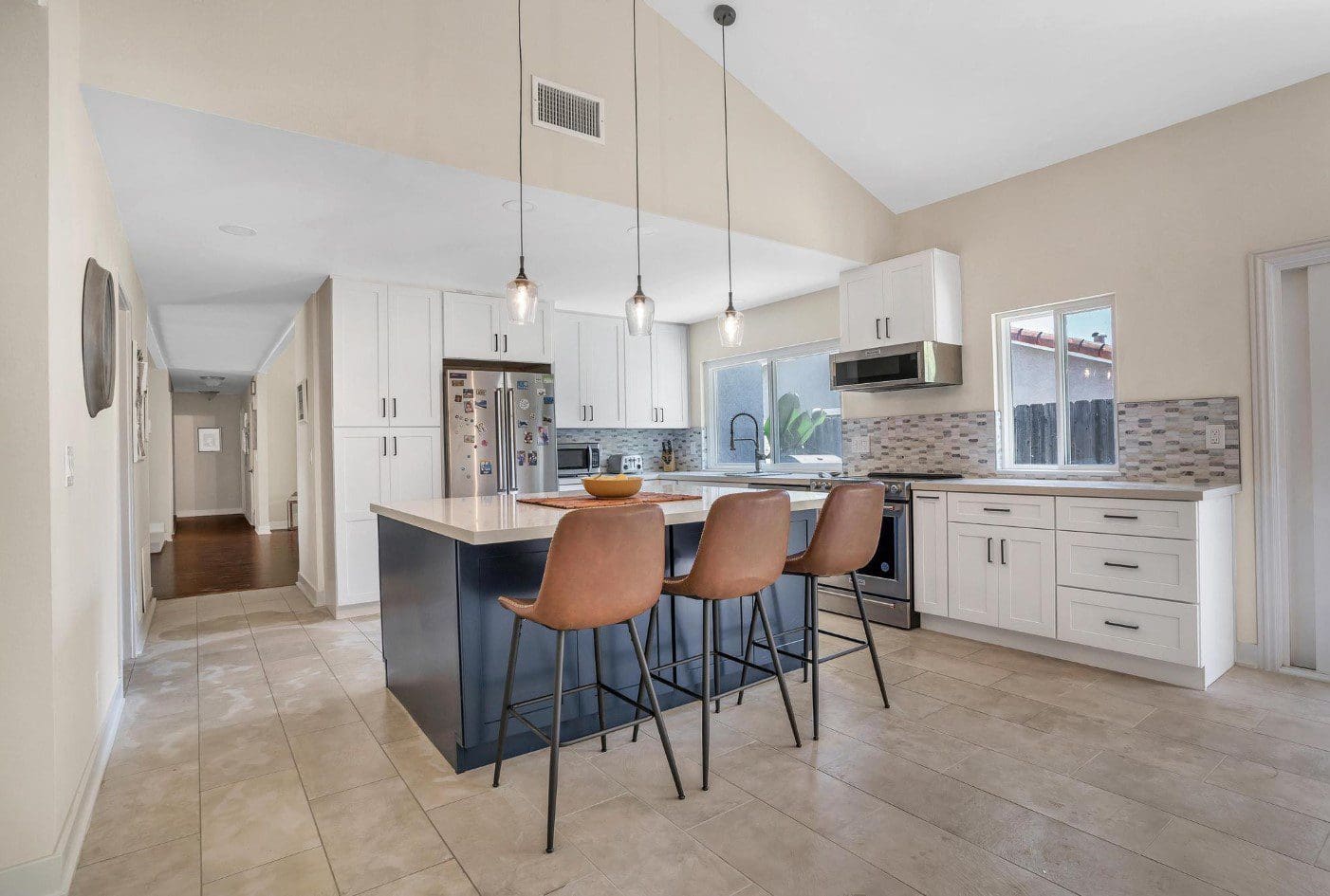
These are the classic for a reason. A kitchen remodel is the heavyweight champ of ROI and daily joy. A bathroom renovation, especially turning a tired one into a retreat, is a close second. They’re disruptive, sure, but the payoff is instant every single morning.
The Space Makers: ADUs & Room Additions
Need a home office, a teen suite, or rental income? An ADU (Accessory Dwelling Unit) is San Diego’s golden ticket. A room addition, on the other hand, seamlessly blends new square footage with your existing layout. Both are brilliant solutions, but they live in different worlds of planning and permits.
The Grand Vision: Whole-House & Luxury Home Building
This is for the folks ready to truly transform their residential footprint. A whole house renovation or working with luxury home builders for a custom build is a marathon, not a sprint. It’s detailed, immersive, and when done right, utterly spectacular.
Why Your “Nearest” Contractor Isn’t Always Your “Best” Contractor
Here’s where we need to get real for a second. A quick search for the “nearest remodeling company” or the “closest general contractor” is tempting. Convenience! But would you choose a heart surgeon based solely on their proximity to your favorite taco shop? Probably not.
The nearby team might be fantastic, or they might be the reason for your future gray hairs. The point is, you need to vet them, not just map them. Look for a remodeling contractor with a portfolio that makes your heart sing, a process that makes sense, and communication that doesn’t feel like pulling teeth. At Golden Shore Design and Build, for example, we believe being your San Diego neighbor means we’re invested in your project’s success for the long haul—we’re not just passing through.
The Magic of Seeing It Before You Build It (Seriously, It’s a Game-Changer)
Remember playing with Legos as a kid? You could see the spaceship come together before you committed. Modern home design has its own version of that, and it’s not a luxury—it’s a necessity. 3D design and visualization tools are the ultimate peace-of-mind purchasers.
Gone are the days of trying to decipher blueprints and hoping the tile “feels” right. Now, we can walk you through a photorealistic version of your new space. You can see the light, the flow, the cabinet finish. It eliminates the “I-thought-it-would-look-different” panic. It’s one of the most powerful parts of our process at Golden Shore Design and Build, because it turns abstract ideas into a shared vision we can all get excited about.
Budget Talk: Let’s Demystify the “Cost” Conversation
Okay, let’s roll up our sleeves. The price question. It’s the big one. Everyone wants a number, but a quality remodeling company can’t shout one from the rooftops. Why? Because without a plan, a number is just a guess, and guesses lead to trouble.
A realistic budget considers:
- Scope & Scale: Are we moving walls or just updating fixtures?
- Material Choices: This is the grand canyon of budgeting. Custom cabinetry and quartzite tell a different financial story than stock cabinets and laminate.
- Labor & Expertise: Skilled craftspeople are worth every penny. They’re the difference between a flip that looks good on Instagram and a home building detail that lasts for decades.
- The “Oh Wow!” Factor: That smart home system or steam shower you suddenly discover you need.
The goal is alignment, not surprise. A detailed proposal should be your bible, not a vague suggestion.
Your San Diego Remodel Roadmap: A Handy Table
Let’s break down a typical project journey. While every home remodel is unique, they generally follow this rhythm:
| Phase | What Happens | Your Key Role | Pro Tip |
|---|---|---|---|
| Discovery & Design | Initial consults, concept development, 3D design, planning. | Dream big! Communicate your wants, needs, and must-haves. | Be brutally honest about your budget. It saves everyone time and heartache. |
| Planning & Permits | Engineering, final drawings, city submissions, HOA approvals. | Provide necessary documents and be patient. San Diego permits have their own… pace. 🙂 | A good team handles this heavy lifting. This is where experience matters. |
| Pre-Construction | Final selections, ordering materials, scheduling, prepping the site. | Make decisions! Tile, paint, hardware—your timely choices keep the train on track. | Order samples. Seeing and touching materials in your home’s light is crucial. |
| Construction | The demolition, framing, plumbing, electrical, drywall, finishes—the magic! | Maintain a flexible living situation and open communication with your project lead. | Weekly check-ins are your best friend. No question is too small. |
| Final Walkthrough & Closeout | Punch list review, final cleaning, system tutorials, project handoff. | Do a detailed walkthrough. Test every switch, drawer, and door. | This is the time for nitpicking. A professional team wants it perfect for you, too. |
Answers to the Questions We Hear All the Time
1. “How long will my project actually take?”
Honestly? Longer than you hope, but shorter than your worst nightmare. A bathroom might be 6-8 weeks, a major kitchen renovation 3-4 months, and a whole house project several months to a year. The key is a realistic timeline built in during planning, and a team that communicates proactively about any hiccups. Unforeseen issues happen (hello, 100-year-old plumbing!), but they shouldn’t be a surprise.
2. “Should I live in my house during the remodel?”
For smaller projects like a single bathroom, maybe. For anything involving your kitchen or major dust, we strongly recommend finding an alternative. It preserves your sanity, your family’s peace, and allows the crew to work efficiently. Think of it as a short-term investment in marital and mental health.
3. “Why can’t I just be my own general contractor?”
You can. And you can also perform your own dentistry. But should you? A true general contractor manages a symphony of trades, schedules, inspections, and problem-solving. They have the relationships and the expertise to navigate the inevitable storms. The potential savings often evaporate in delays, mistakes, and your own lost time and stress. FYI.
Wrapping This Chat Up
So, there you have it. The renovation itch doesn’t have to be a source of anxiety. It’s the start of an adventure to fall in love with your home all over again. It’s about finding partners who listen, plan with precision, and execute with care.
If you’re in the San Diego area and that itch is turning into a full-blown plan, we’d love to chat. At Golden Shore Design and Build, we live for this stuff—transforming the everyday into the exceptional, one thoughtful, well-built project at a time. Let’s grab a coffee (virtual or real) and start sketching on a napkin. Your dream space is closer than you think.
People Also Ask
The minimum recommended width for a functional galley kitchen is 7 feet (approximately 2.1 meters). This allows for two parallel runs of base cabinets and appliances, each typically 24 inches deep, with a 36-inch walkway between them. This aisle width is critical for safe and comfortable movement, allowing one person to work and another to pass, or for appliance doors (like ovens or dishwashers) to open without obstruction. In very tight spaces, a single-wall kitchen might be more practical. For a galley layout, compromising below 7 feet severely limits functionality and can make the space feel cramped and non-compliant with building codes that often mandate a minimum 36-inch clearance in work areas.
The 3x4 kitchen rule is a fundamental design principle for creating an efficient and safe work triangle between the three primary kitchen stations: the refrigerator, the sink, and the stove. The rule states that the total distance of this triangle's three sides should be between 12 feet (3+4+5 feet is a common configuration) and 26 feet, with each leg being no less than 4 feet and no more than 9 feet. This ensures that the workflow is compact enough to minimize steps but spacious enough to avoid a cramped feeling. Adhering to this guideline, a core tenet of the Kitchen Work Triangle concept, promotes ergonomic movement, reduces traffic interference, and is a standard in professional kitchen planning for both functionality and safety.
The cost to remodel a small galley kitchen typically ranges from $15,000 to $35,000, though high-end projects can exceed $50,000. This wide variance depends on the scope of work and material selections. A cosmetic refresh with new paint, cabinet refacing, and budget-friendly countertops falls at the lower end. A full remodel involving layout changes, custom cabinetry, professional-grade appliances, stone countertops, and new flooring will command the higher price range. Key cost drivers include cabinetry (often 30-40% of the budget), appliances, labor for plumbing and electrical, and countertop materials. Obtaining detailed quotes from licensed contractors is essential, as labor costs and regional material pricing significantly impact the final total.
To maximize space in a small galley kitchen, prioritize vertical storage and multifunctional elements. Install cabinets that reach the ceiling to utilize often-wasted overhead space, and use pull-out shelves or deep drawers for lower cabinets to improve accessibility. Opt for a slim-profile refrigerator and consider a compact dishwasher or a combined oven-microwave unit. Use the backsplash for magnetic knife strips or hanging utensil racks. For countertops, choose a light-colored, reflective material to enhance the sense of space. Finally, incorporate smart lighting under cabinets to eliminate shadows and make the area feel larger and more open, following efficient kitchen design principles.