

The renovation turned out even better than we pictured. Everyone involved was easy to talk to and kept us in the loop through every stage. Work moved along smoothly and the results look fantastic. Friends keep asking who did the work.

We recently had our outdated bathroom remodeled by Golden Shore Design and Build, and Chris was exceptional throughout the entire process. His attention to detail and commitment to quality truly transformed our space into a luxurious retreat. I highly recommend their services for anyone looking to upgrade their home.

The whole house renovation gave our place a fresh new feel. Each room flows naturally into the next. We are proud of how it all turned out

We recently finished a complete kitchen renovation and are very satisfied with our construction and renovation firm. From the initial design consultation through to the final walk-through, the staff at this company displayed a remarkable level of professionalism and knowledge. Our project manager kept us fully apprised of the progress through daily updates and was very responsive to all of our inquiries. The staff were very considerate, on time, and maintained a remarkably clean construction site, causing little disruption to our daily routine. The workmanship is of the highest quality, and they completed the project right on time and within the agreed-upon budget with no surprises.

Professional builders providing neat finishes and smooth project coordination.

The remodel on our place included a few tricky parts but this team knew exactly what they were doing. Their design sense made the layout flow better than it ever has. It feels like a real upgrade in terms of value.

I brought them in for a full home remodel and the whole experience felt smooth and straightforward. Their design ideas actually made the renovation feel exciting instead of stressful. You can tell the builders care about a quality build from start to finish.

I hired them for a residential remodel, and I’m blown away by the results. The design process was smooth and collaborative, which made the whole project stress-free. These guys really know how to deliver a great renovation.

My bathroom and kitchen renovation turned out strong across the board. Their remodel contractor kept communication easy and never made things confusing. The quality build shows and the place feels refreshed in the best way.

I had this business remodel two bathrooms and both turned out perfect. They made sure I was comfortable while the work was being done. The results speak for themselves.
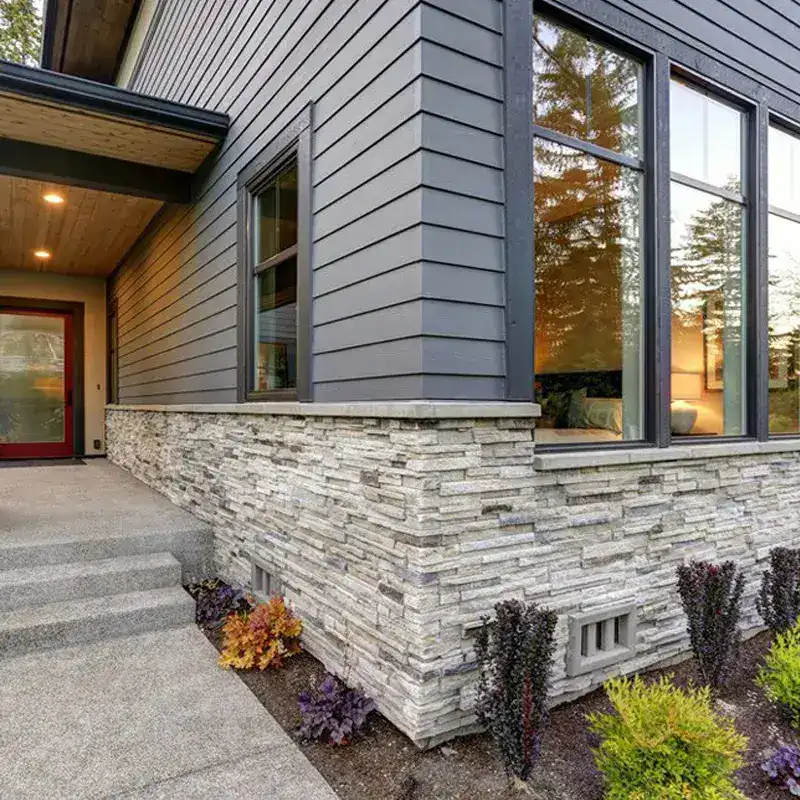
When designing a small lake house exterior, prioritize materials and forms that blend with the natural setting while maximizing views. Use durable, low-maintenance materials like cedar shingles, stone veneers, or fiber-cement siding that weather gracefully. A large, covered porch or deck is essential for outdoor living and should be oriented toward the water. Opt for a simple roofline, such as a gable or shed style, with deep overhangs for shade and rain protection. Incorporate ample windows and glass doors to bring in light and create a seamless indoor-outdoor connection. A cohesive color palette drawn from the surroundings—think earthy tones, soft grays, or blues—helps the structure feel integrated into the landscape.
Choosing the right exterior colors for a lake house involves balancing aesthetics with the harsh environmental conditions. Opt for a palette that complements the natural surroundings—soft blues, greens, grays, and warm neutrals are classic choices that blend with water, sky, and foliage. Durability is key; use high-quality, mold/mildew-resistant paints formulated for high moisture and UV exposure. Consider the architectural style; a modern cabin might suit bold accents, while a traditional cottage calls for softer tones. For a deeper dive into regional considerations and color psychology for waterfront properties, we recommend our internal resource, Painting in Lakeside. Always consult with a professional to ensure your selections enhance both beauty and longevity.
When designing a lake house exterior, durability and harmony with the natural surroundings are paramount. Opt for low-maintenance, weather-resistant materials like fiber cement siding, stone veneers, and treated wood that can withstand moisture and sun exposure. Large windows and expansive decks are essential to capture panoramic views and facilitate indoor-outdoor living. A color palette inspired by the landscape—soft grays, blues, and earthy neutrals—helps the home blend seamlessly. Thoughtful lighting extends usability into the evening while minimizing light pollution. For a deeper dive into balancing aesthetics with the unique demands of a waterfront property, we recommend our internal article, Home Exterior in Lakeside.
Designing a modern lake house exterior requires a balance of contemporary aesthetics and harmony with the natural surroundings. Key principles include using clean lines, expansive glass for panoramic views, and natural, durable materials like charred wood (Shou Sugi Ban), stone, and metal. A low-profile or flat roof can enhance the sleek profile. Prioritize large, strategically placed decks or patios that extend living spaces outdoors. Color palettes often draw from the environment—think grays, deep blues, and earthy neutrals. Sustainable features like rain screens and native landscaping are crucial for resilience. For a deeper dive into blending modern design with waterfront living, see our resource Home Exterior in Lakeside.
Choosing the right siding for a lake house is crucial for durability and aesthetics. Lakefront properties face unique challenges, including high humidity, moisture, and potential wind-driven rain. For optimal performance, consider materials like fiber cement, which resists rot, insects, and moisture exceptionally well. Engineered wood siding offers a natural look with enhanced durability. Proper installation with a robust weather-resistant barrier is essential to prevent water intrusion. Lighter colors can reflect heat and reduce maintenance, while textured finishes can complement the natural surroundings. Always prioritize materials with strong warranties and ensure installation follows local building codes and manufacturer specifications for long-term protection against the elements.
Building a brick lake house combines durability with scenic beauty. Brick offers excellent resistance to moisture, fire, and pests, which is crucial in a lakeside environment. The key is to integrate the structure with its natural surroundings. Use large windows and outdoor living spaces to maximize views. For the foundation, consider elevated pilings or a robust slab to handle potential soil moisture. A professional design-build firm can ensure the brickwork is properly detailed for drainage and that the overall design, including a durable roof and appropriate overhangs, provides a low-maintenance, energy-efficient retreat that stands the test of time against the elements.


66 reviews