
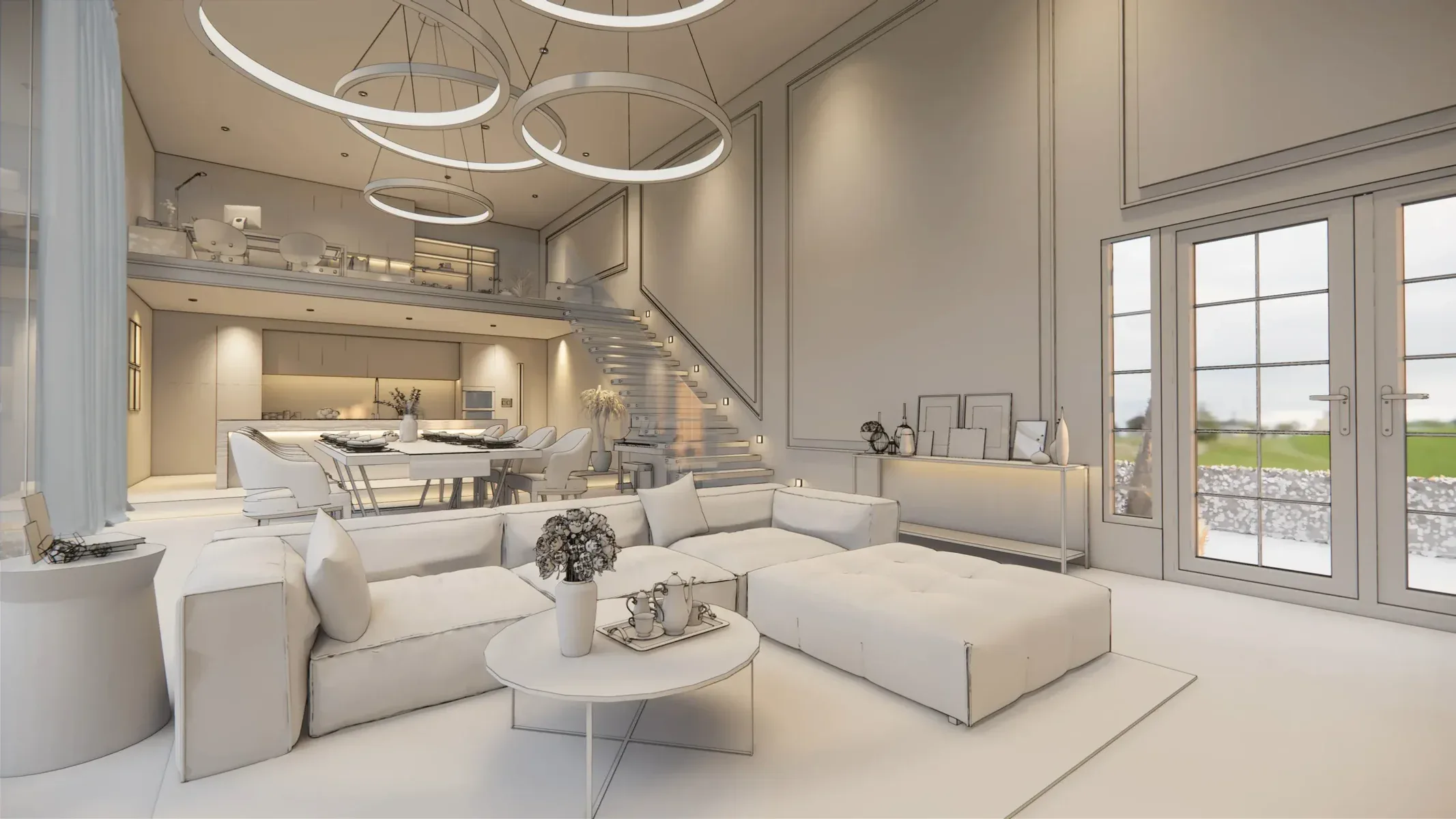

The renovation turned out even better than we pictured. Everyone involved was easy to talk to and kept us in the loop through every stage. Work moved along smoothly and the results look fantastic. Friends keep asking who did the work.

We recently had our outdated bathroom remodeled by Golden Shore Design and Build, and Chris was exceptional throughout the entire process. His attention to detail and commitment to quality truly transformed our space into a luxurious retreat. I highly recommend their services for anyone looking to upgrade their home.

The whole house renovation gave our place a fresh new feel. Each room flows naturally into the next. We are proud of how it all turned out

We recently finished a complete kitchen renovation and are very satisfied with our construction and renovation firm. From the initial design consultation through to the final walk-through, the staff at this company displayed a remarkable level of professionalism and knowledge. Our project manager kept us fully apprised of the progress through daily updates and was very responsive to all of our inquiries. The staff were very considerate, on time, and maintained a remarkably clean construction site, causing little disruption to our daily routine. The workmanship is of the highest quality, and they completed the project right on time and within the agreed-upon budget with no surprises.

Professional builders providing neat finishes and smooth project coordination.

The remodel on our place included a few tricky parts but this team knew exactly what they were doing. Their design sense made the layout flow better than it ever has. It feels like a real upgrade in terms of value.

I brought them in for a full home remodel and the whole experience felt smooth and straightforward. Their design ideas actually made the renovation feel exciting instead of stressful. You can tell the builders care about a quality build from start to finish.

I hired them for a residential remodel, and I’m blown away by the results. The design process was smooth and collaborative, which made the whole project stress-free. These guys really know how to deliver a great renovation.

My bathroom and kitchen renovation turned out strong across the board. Their remodel contractor kept communication easy and never made things confusing. The quality build shows and the place feels refreshed in the best way.

I had this business remodel two bathrooms and both turned out perfect. They made sure I was comfortable while the work was being done. The results speak for themselves.
The 3-5-7 rule in interior design is a guideline for creating balanced, visually interesting arrangements of decor items, such as on a shelf, mantel, or coffee table. It suggests grouping objects in odd numbers—specifically sets of three, five, or seven. This principle is rooted in the idea that odd-numbered groupings are more dynamic, less symmetrical, and naturally more pleasing to the eye than even-numbered ones. When applying the rule, vary the height, texture, and form of the objects within the group to add depth and prevent monotony. It’s a fundamental technique for achieving a curated, professional look without overcrowding a space.
The 70 30 rule in interior design is a guideline for creating balanced and visually appealing spaces. It suggests that 70% of a room should be decorated in a primary style or color scheme, while the remaining 30% should introduce a contrasting secondary style or accent. This principle ensures a cohesive foundation while allowing for creative expression and visual interest. For example, a room might feature 70% modern furniture with neutral tones, and 30% vintage accessories or bold-colored artwork. This approach prevents monotony and adds depth, making a space feel both unified and dynamic. It is a fundamental rule for achieving professional, layered interiors that are both stylish and harmonious.
Budgeting for an interior designer varies widely based on project scope and location. For full-service residential design, a common range is 10-20% of your total project cost (including furnishings and construction). For a standalone design concept without implementation, you might pay a flat fee from $2,000 to $10,000. Many designers also work on an hourly basis, typically $100 to $300 per hour. It's crucial to clarify the fee structure upfront—whether it's hourly, flat-fee, cost-plus (a percentage over product costs), or a hybrid. Always allocate an additional 10-15% contingency for unforeseen changes or upgrades. Obtaining detailed proposals from several qualified designers ensures you understand the services included and get the best value for your investment.
Creating an affordable home interior in National City requires a strategic approach that balances budget with quality. The key is to prioritize essential updates that deliver maximum visual impact, such as a fresh coat of paint, updated lighting fixtures, and strategic decluttering. Focus on cost-effective materials like laminate flooring and ready-to-assemble cabinetry. Repurposing existing furniture with new hardware or slipcovers can also dramatically refresh a space. For detailed local insights and project-specific strategies, we recommend reviewing our internal resource, Home Interior in National City. This guide outlines how to achieve a stylish, functional interior without exceeding your financial plan, emphasizing smart material choices and phased renovations.


66 reviews