Let’s be honest about La Jolla home remodeling. The dream is universal: light-filled spaces, ocean views, seamless indoor-outdoor living. The reality is a complex puzzle of coastal commissions, crumbling hillside foundations, and historic overlays that can make even the most enthusiastic homeowner pause. We’ve seen projects where the vision was gorgeous, but the path to get there ignored the very ground it stood on. This isn’t just about picking finishes; it’s about navigating a unique set of rules, realities, and risks that are distinctly La Jolla.
Key Takeaways: A successful remodel here balances luxury with literal groundwork. You must respect the coastal environment, engineer for unstable slopes, and often negotiate with historic guidelines. The biggest cost isn’t always the marble countertop—it’s the unseen structural retrofit or the months spent in permit review. Getting the sequence right—from geotechnical reports to design review—is what separates a smooth project from a nightmare.
What does a La Jolla home remodel typically involve?
A La Jolla remodel is a multi-phase process that extends far beyond construction. It starts with due diligence: understanding your property’s specific constraints from landslide zones and coastal setbacks to historic district rules. This informs a design that must then navigate a rigorous permit pathway with the City of San Diego and often the Coastal Commission, before any demolition begins. Engineering for soil stability and seismic safety is frequently a major, non-negotiable component.
The Lay of the Land Dictates the Plan
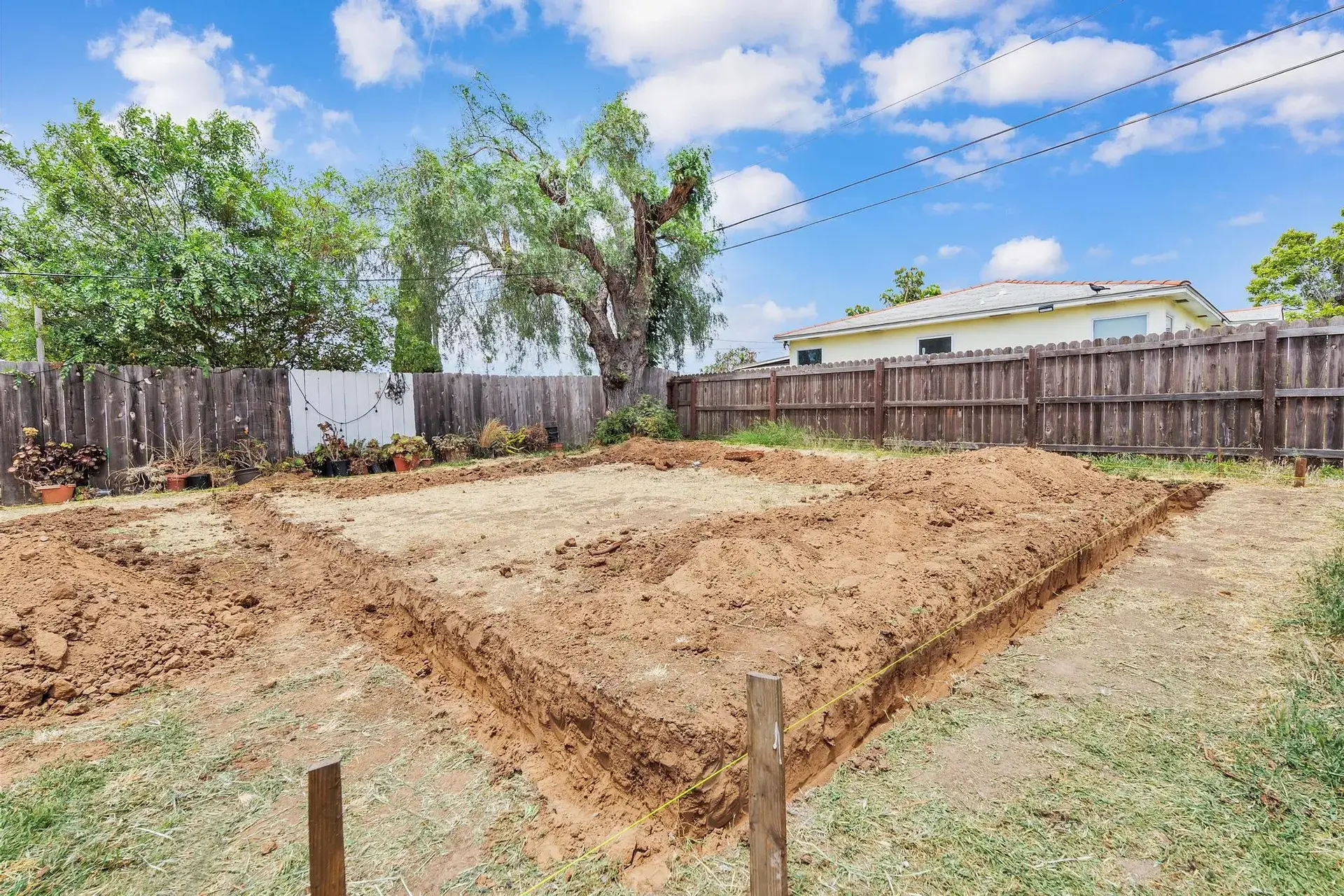
You can’t talk about remodeling in La Jolla without starting with the dirt. Literally. We’ve opened up walls in Bird Rock homes to find foundations that were more suggestion than structure, thanks to decades of soil creep. The hillsides aren’t just scenic; they’re geologically active. A project in the Muirlands or Mount Soledad often begins not with an architect, but with a geotechnical engineer. Their report on soil stability and drainage dictates everything from how deep you can excavate for that new lower level to whether you need a massive retaining wall system.
Skipping this step is the single most expensive mistake we see. It’s the classic “we wanted to add a bathroom, but now we need a $200,000 foundation” scenario. The trade-off is upfront cost and time for long-term security. If your engineer recommends soil nails or caissons, it’s not an upsell—it’s insurance for your seven-figure investment.
When Your View is Regulated by a Commission
That million-dollar view is a shared resource in the eyes of the law. The California Coastal Act means the Coastal Commission has a say in most projects within the Coastal Zone, which covers nearly all of La Jolla. Their mandate is public access and environmental protection, which translates into specific rules for you.
Want to add a second story for a view deck? You’ll need to prove it doesn’t create a “visual barrier” for neighbors or the public. Planning new windows? They’ll scrutinize light spillage affecting nearby habitats. It adds a layer of review that can feel frustratingly subjective. The practical workaround isn’t to fight it, but to design with it in mind from day one. We’ve found that proposals which actively incorporate native, drought-tolerant landscaping, use materials that blend with the natural palette, and minimize bulk and glare tend to find smoother sailing.
The Charm & Challenge of Historic Districts
La Jolla’s character is etched in its historic districts like the Barber Tract or the Country Club area. Remodeling here isn’t a free-for-all; it’s a conversation with the past. The city’s Historical Resources Board (HRB) will review your plans to ensure they’re “compatible” with the original architectural style.
This doesn’t mean you’re stuck with outdated layouts. We’ve modernized countless Spanish Revivals and Mid-Century gems. The key is understanding the vocabulary: preserving original facade lines, matching roof tiles, using appropriate window profiles, and selecting compatible color schemes. The interior is generally your playground, but even there, surprises lurk. Removing a non-load-bearing wall might reveal the need to preserve original lathe and plaster in adjacent rooms, a craft that requires specialized—and costly—tradespeople.
The Luxury of Indoor-Outdoor Living (Without the Moisture)
Every client wants that Nappa Valley-esque flow to the patio. In La Jolla’s marine layer climate, executing it is a lesson in moisture management. Sliding glass walls are great until salt air and fog lead to corrosion and constant water spotting. We’ve learned to specify hardware and finishes rated for marine environments. That beautiful concrete patio needs a slope and drainage plan that accounts for our occasional torrential rains, not just mild drizzle. And that cozy fire pit? Its placement is governed by strict wind-borne ember regulations for wildfire zones, which many hillside properties are.
The material selection table below isn’t about the most expensive option, but the most appropriate for our specific environment.
| Material/Feature | Common Choice | La Jolla-Reality Check | Our Go-To Alternative |
|---|---|---|---|
| Exterior Wood | Untreated Redwood | Will gray, warp, and require constant sealing in the salt air. | Composite decking (high-quality) or thermally-modified wood. Lower lifetime maintenance. |
| Window Frames | Standard Aluminum | Prone to salt corrosion, can be a thermal bridge causing condensation. | Anodized or powder-coated aluminum, or fiberglass frames. Better durability and insulation. |
| Roofing | Traditional Clay Tile | Beautiful and authentic, but heavy. Requires verified structural support, especially on older homes. | Lightweight concrete tile or metal roofing. Offers similar aesthetic with less load. |
| Outdoor Kitchen | Stainless Steel Everything | Will show water spots and require daily wiping down with the marine layer. | Integrated covers and specifying brushed over polished finishes. Or, using marine-grade stainless. |
The Invisible Systems: Seismic, Solar, and Water
Luxury today is as much about resilience as it is about aesthetics. For any major remodel, the city will likely require you to bring certain systems up to current code. This is where budgets get real.
Seismic Retrofitting: If you’re opening walls, you may need to add shear walls, foundation bolts, or moment frames. It’s disruptive, dusty, and essential. Solar Ready: San Diego’s energy code effectively requires new residential additions to be solar-ready. Planning your roof design without considering solar panel placement is a missed opportunity. Water Pressure: Older homes in the Village often have laughably low water pressure. Adding that dream shower with six body jets might require a full plumbing re-pipe from the street, a major excavation project. We always do a pressure test during the initial feasibility phase—it’s a small cost that prevents a huge surprise later.
When to Call a Professional (Sooner Than You Think)
The DIY spirit is admirable, but in La Jolla, the stakes are too high for experimentation. You should be talking to a design-build firm or architect the moment your idea moves beyond a cosmetic update. Why?
- The Permitting Maze is a Full-Time Job: Navigating the overlapping jurisdictions of the City, Coastal Commission, and HRB is a specialized skill. A professional knows the language, the process, and how to present plans for approval. What takes a homeowner months of back-and-forth can often be resolved in weeks by a seasoned pro.
- Engineering is Not Optional: That “simple” kitchen extension on a slope has structural implications. Professionals have the network of trusted geotechnical and structural engineers to assess and solve these problems correctly the first time.
- The Cost of a Mistake is Catastrophic: An improperly built retaining wall in La Jolla Shores can lead to settlement, drainage lawsuits from downhill neighbors, or worse. The liability isn’t worth the supposed savings.
For homeowners in San Diego, finding a partner who has navigated a remodel from the cliffs of Torrey Pines to the canyons of University City is crucial. They understand that a project near the Salk Institute has different light and aesthetic considerations than one in the Village. At Golden Shore Design & Build, we’ve learned that the most successful projects start with a coffee and a brutally honest conversation about these very constraints—it saves everyone time, money, and heartache down the line.
The Reward: More Than Just a New Kitchen
Despite the hurdles, a La Jolla remodel done right is transformative. It’s not just an updated space; it’s a home recalibrated for this spectacular place. It’s the peace of mind that comes with a seismically secure foundation. It’s the joy of a living room that frames the sunset over La Jolla Cove perfectly. It’s the practicality of a home that withstands the climate with minimal maintenance.
The process demands patience, respect for the environment, and a team that sees the regulations not as obstacles, but as the design parameters for building something truly lasting. You end up with a home that doesn’t just sit in La Jolla, but belongs to it.