Let’s be honest, we’ve all fallen down the rabbit hole of home renovation inspiration. One minute we’re casually looking at a new kitchen backsplash, the next we’re deep in a forum debating the merits of heated bathroom floors for our non-existent luxury home addition. It’s a wild ride. And if you’re here in San Diego, where the sun is shining and the real estate market is, well, its own special beast, the dream of transforming your space is incredibly real. But between the dream and the reality stands one crucial question: how do we actually get this done without losing our minds (or our life savings)?
We get it because we live it. At Golden Shore Design and Build, we’re not just a remodeling company; we’re your neighbors who also happen to love turning the chaos of construction into something beautiful. We’ve navigated the permit mazes, sourced the perfect materials, and yes, even dealt with the unexpected “surprises” behind old walls. So, let’s have a real chat about what it takes to navigate a home remodel in our amazing city.
The San Diego Remodeling Landscape: It’s Not Just Paint and Pillows
First things first, a renovation here isn’t quite the same as it might be elsewhere. Our climate, our architectural styles—from classic craftsman to modern coastal—and let’s not forget those gorgeous canyon views, all play a part. Jumping into a whole house remodel or even a room addition requires a plan that respects the unique vibe of our region.
Think about it: are we maximizing that indoor-outdoor flow for year-round enjoyment? Is our design considering the mild but real potential for moisture near the coast? These aren’t just aesthetic choices; they’re practical San Diego living considerations. A great general contractor doesn’t just swing a hammer; they understand the soul of the local residential landscape.
Picking Your Project: Where Do We Even Start?
The urge to change everything at once is strong. We’ve been there. But budget and sanity often suggest a phased approach. So, what’s the most impactful place to begin?
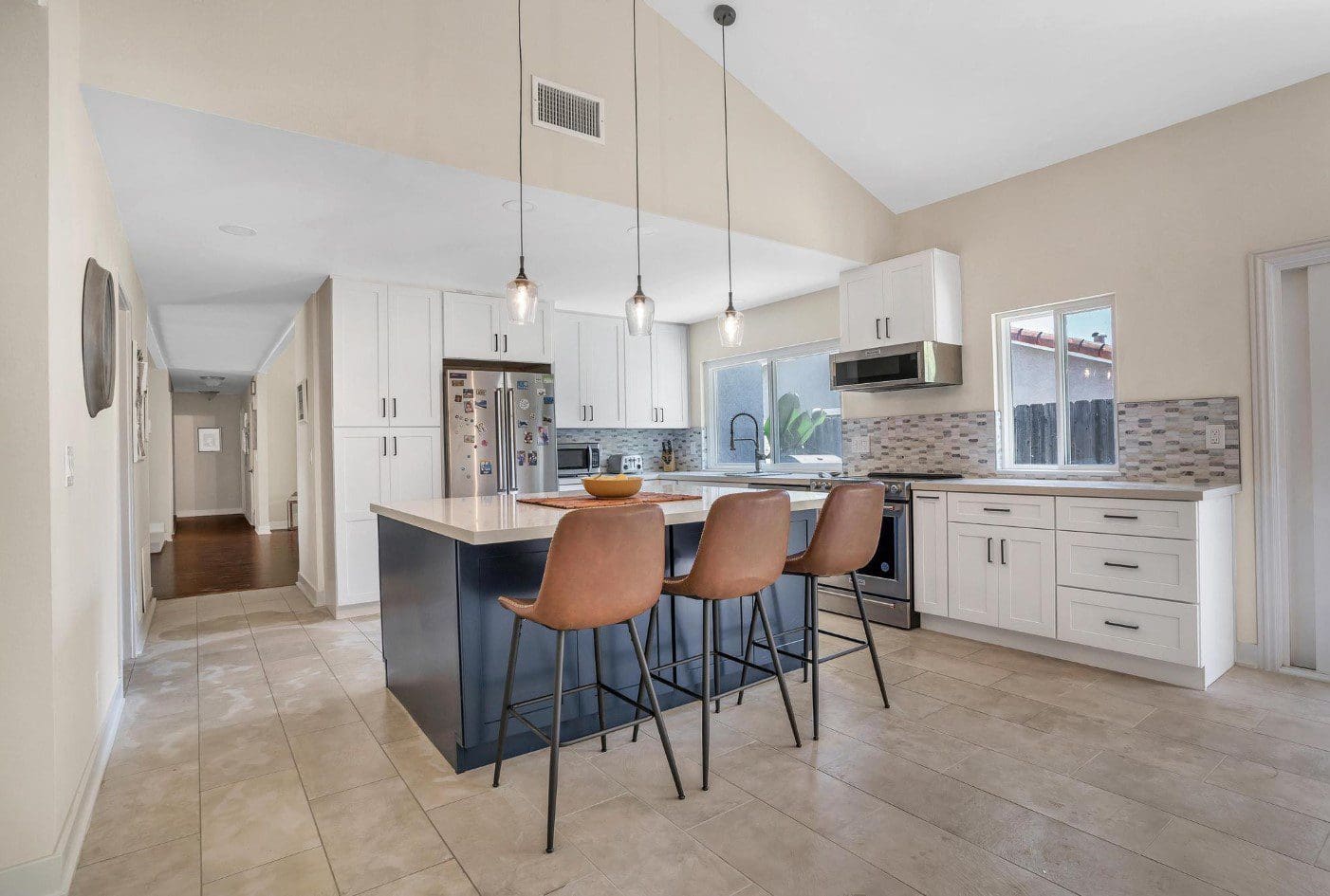
- The Kitchen & Bathroom Power Move: These are the classic high-ROI projects for a reason. They’re the hardest working rooms in the house. A kitchen remodel can transform daily life, while a bathroom renovation feels like a daily spa retreat. IMO, starting here often gives us the biggest lifestyle bang for our buck.
- The ADU: San Diego’s Secret Weapon: Adding an Accessory Dwelling Unit isn’t just a trend; it’s a genius move. Create a rental for extra income, a home for family, or a killer home office. The ADU game in San Diego is strong, and for good reason. It’s one of the smartest investments we can make in our property.
- The Room Addition & Whole House Glow-Up: Need more space for a growing family or just want to finally have that dedicated game room? A room addition is a major undertaking but utterly transformative. And a whole house renovation? That’s the grand symphony of remodeling, where every element gets harmonized.
No matter the scale, the first step is always a solid plan. And that’s where the magic of modern home design comes in.
Why We’re Obsessed with 3D Design (And You Should Be Too)
Remember the old days of trying to decipher blueprints? Yeah, we don’t miss that. Today, 3D design is a total game-changer. It allows us to walk through your new space before we even swing the first sledgehammer.
We can move virtual walls, try out ten different cabinet finishes in minutes, and see how the light will fall at 3 PM. It eliminates the “I-thought-it-would-look-different” panic. At Golden Shore Design and Build, we lean heavily into this tech because it turns abstract ideas into a tangible vision we can all get excited about. It’s the difference between describing a song and actually hearing it.
The “Price” Talk: Budgeting Without the Fear
Okay, let’s address the elephant in the room: the cost. It’s the part of the conversation everyone dreads. Terms like “price per square foot” get thrown around, but what does it really mean for your project?
The truth is, the final price tag depends on a dizzying number of factors: the quality of materials, the complexity of the work, the current cost of labor and supplies (a moving target, FYI), and those lovely unforeseen conditions. The closest we can get to a definitive number upfront is through detailed planning and transparent quoting.
Here’s a basic breakdown of common project scopes and what influences their cost:
| Project Type | Key Cost Drivers | Why It’s Worth It |
|---|---|---|
| Kitchen Remodel | Cabinetry quality, appliance tier, countertop material, plumbing/electrical moves. | The heart of the home. Improves daily function and significantly boosts home value. |
| Bathroom Renovation | Tile work, plumbing fixtures, custom shower vs. tub, ventilation, waterproofing. | Turns a utilitarian space into a personal retreat. High return on investment. |
| ADU Construction | Foundation work, independent systems (HVAC, plumbing), finishes, site access. | Creates a new, revenue-generating asset on your existing property. |
| Room Addition | Foundation, roofing, tying into existing structure, matching exterior finishes. | Permanently solves space constraints without the hassle of moving. |
| Whole House Remodel | Scale, sequencing of trades, potential for living on-site during work, upgrade level. | Harmonizes your entire living environment, updating function and style everywhere. |
The key is partnering with a remodeling contractor who is upfront about these variables. We believe in breaking down the budget line by line, so there are no nasty surprises. Just a clear path to the finish line.
Choosing Your Team: This is The Big One
This is the make-or-break decision. The difference between a dream realized and a nightmare lived. You’ll see countless general contractor options when you search for the nearest or nearby pros. But how do we choose?
- Licensed, Insured, and Local: This is non-negotiable. A San Diego home building pro knows our specific codes, permit processes, and even which inspectors are sticklers for what.
- Communication Style: Do they actually listen, or just wait for their turn to talk? You’ll be in a long-term relationship with this team.
- Portfolio & References: Do their past projects make your heart sing? And will they let you actually talk to past clients? (Spoiler: we always do).
- The Process: Do they have a clear, documented process from concept to completion? “Winging it” is not a strategy we recommend for a major investment.
We built Golden Shore Design and Build on the principle that this process should be collaborative, transparent, and even enjoyable. Sure, there will be dust and decisions, but with the right team, it’s an adventure we take together.
Your Burning Questions, Answered
Let’s tackle a few of the most common questions we hear every single day.
1. How long will my remodel actually take?
Honestly? Always longer than the optimistic timeline you have in your head. A simple bathroom might be 6-8 weeks, a complex kitchen 3-4 months, and a full home remodel or ADU can span 6 months to a year. The timeline depends on scope, permit delays (a classic San Diego reality), and material availability. A good remodeling contractor builds a realistic schedule with buffer for the unexpected—because something always comes up.
2. Should I get multiple bids?
Absolutely. But here’s the trick: make sure you’re comparing apples to apples. The nearest contractor might give a lowball price by excluding critical items. The most detailed, transparent bid is often the most valuable, even if it’s not the lowest number on the page. It’s the true cost of doing the job right.
3. Can I live in my home during the renovation?
For smaller projects like a bathroom remodel, often yes. For a whole house gut job? It’s… challenging. We’ve seen clients do it, and they develop a new appreciation for camping. We always have a frank conversation about the noise, dust, and lack of a functional kitchen. Sometimes, planning for a short-term rental is the best investment in your family’s sanity.
Wrapping This Chat Up
At the end of the day, a successful remodel is about more than just new drywall and fancy fixtures. It’s about creating a space that truly works for your life. It’s about taking that inspiration from the depths of the internet and making it a tangible, livable reality.
It requires a blend of visionary home design, pragmatic budgeting, and a remodeling contractor you genuinely trust as a partner. If you’re in San Diego and feeling ready to turn that “what if” into “what’s next,” we’d love to continue the conversation. At Golden Shore Design and Build, we’re here to guide you through every step, with clear communication, stunning 3D design, and a commitment to making the process as smooth as our finished countertops. Let’s build something amazing together.
People Also Ask
Laminate is a versatile and cost-effective surfacing material widely used in construction and interior design. It consists of multiple layers fused together through a high-pressure process, typically featuring a decorative top layer that mimics natural materials like wood, stone, or abstract patterns, a core layer for stability, and a backing layer for balance. Known for its durability, laminate resists scratches, stains, and moisture, making it ideal for high-traffic areas such as kitchen countertops, flooring, and cabinetry. Its ease of maintenance and wide range of design options allow homeowners to achieve a high-end aesthetic without the associated cost, aligning with modern demands for both functionality and style in residential and commercial projects.
Laminate it refers to the process of applying a protective plastic layer to a surface, most commonly paper documents, photographs, or identification cards. In construction and interior design, laminating involves bonding multiple layers of materials together to create a durable, often decorative, sheet. For countertops, this typically means fusing a decorative plastic laminate sheet to a substrate like particleboard. The process seals the material, making it resistant to moisture, stains, scratches, and general wear. Laminating is a cost-effective way to enhance durability and longevity, and it is a standard practice for creating easy-to-clean surfaces in kitchens, bathrooms, and commercial spaces.
Lamination in construction and design refers to the process of bonding multiple layers of material together to create a single, stronger, and more durable composite. This technique is commonly used for countertops, flooring, furniture, and decorative surfaces. The top layer, often a decorative laminate sheet made from resin-impregnated paper, is fused under heat and pressure to a core substrate like particleboard or MDF. This results in a surface that is highly resistant to scratches, stains, moisture, and wear. Lamination enhances both the aesthetic appeal and functional longevity of a product, offering a cost-effective way to achieve the look of premium materials like stone or wood with superior durability and easier maintenance.
Laminate is a composite material that typically includes plastic layers, but it is not purely plastic. It is constructed by fusing multiple sheets of resin-impregnated paper under high heat and pressure, often with a decorative top layer. The core resins used are usually thermoset plastics like melamine, which provide durability and resistance to moisture and scratches. Therefore, while plastic components are integral to its structure, laminate is better described as a plastic-based engineered product. This composition makes it a popular, cost-effective choice for surfaces like countertops and flooring, offering the look of natural materials with enhanced practicality and easier maintenance.
Laminate flooring is a popular synthetic flooring product composed of multiple layers fused together through a lamination process. The core layer is typically high-density fiberboard, topped with a photographic applique layer that mimics wood, stone, or tile, and sealed with a clear, durable wear layer. Its primary advantages are cost-effectiveness, durability, and ease of installation, often featuring a click-lock system for floating floors. It resists scratches, fading, and moisture reasonably well, though it is not waterproof. For professional installation, ensuring a perfectly level, clean subfloor is critical. While an excellent choice for many living areas, it is generally not recommended for full bathrooms or areas prone to standing water due to potential swelling at the seams.
Laminate paper is a versatile material used in construction and interior design for surfaces like countertops, cabinets, and furniture. It consists of layers of paper or fabric impregnated with resins and topped with a decorative layer, all fused under high pressure. This creates a durable, cost-effective surface that resists stains, scratches, and moisture. Available in countless colors, patterns, and textures—including realistic wood and stone imitations—it offers design flexibility. For optimal use, ensure proper substrate preparation and professional installation to prevent issues like chipping or seam visibility. It's a practical choice for residential and commercial projects where budget and durability are key considerations.
Laminate flooring and vinyl are both popular resilient flooring options, each with distinct advantages. Laminate is a composite product with a high-density fiberboard core and a photographic image layer topped with a clear wear layer. It excels in mimicking the look of hardwood or stone at a lower cost and is generally installed as a floating floor. However, it is susceptible to moisture damage and can feel hard underfoot. Vinyl flooring, particularly luxury vinyl plank (LVP) or tile (LVT), is a fully synthetic, waterproof material. It offers superior durability against moisture, scratches, and dents, making it ideal for kitchens, bathrooms, and basements. While laminate may have a slight edge in authentic visual texture, vinyl provides better practicality for active households and wet areas.
Laminate flooring is not inherently waterproof, but many modern options feature water-resistant properties. The core layer is typically made of high-density fiberboard (HDF), which can swell if water seeps into the seams. However, advancements have led to water-resistant laminate with tighter locking systems and treated cores that repel moisture for longer periods. For areas prone to spills, like kitchens, choosing a product with a high AC rating (e.g., AC4 or AC5) and a waterproof warranty is crucial. For true wet areas like bathrooms, luxury vinyl plank (LVP) is often a better, fully waterproof alternative. Always follow manufacturer guidelines for installation and maintenance to maximize durability.