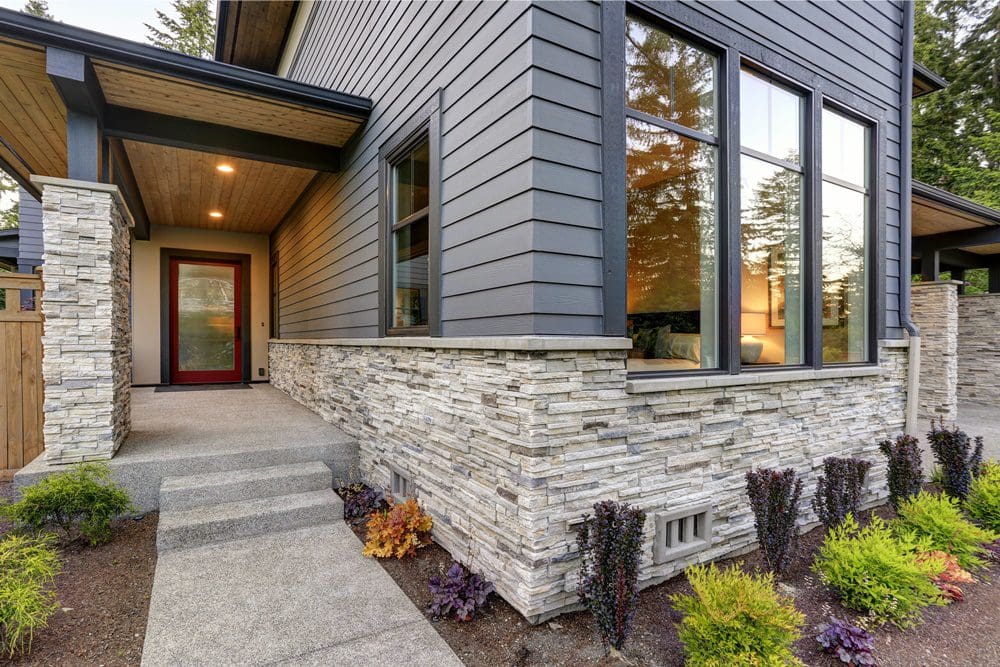

The renovation turned out even better than we pictured. Everyone involved was easy to talk to and kept us in the loop through every stage. Work moved along smoothly and the results look fantastic. Friends keep asking who did the work.


We recently had our outdated bathroom remodeled by Golden Shore Design and Build, and Chris was exceptional throughout the entire process. His attention to detail and commitment to quality truly transformed our space into a luxurious retreat. I highly recommend their services for anyone looking to upgrade their home.

The whole house renovation gave our place a fresh new feel. Each room flows naturally into the next. We are proud of how it all turned out

We recently finished a complete kitchen renovation and are very satisfied with our construction and renovation firm. From the initial design consultation through to the final walk-through, the staff at this company displayed a remarkable level of professionalism and knowledge. Our project manager kept us fully apprised of the progress through daily updates and was very responsive to all of our inquiries. The staff were very considerate, on time, and maintained a remarkably clean construction site, causing little disruption to our daily routine. The workmanship is of the highest quality, and they completed the project right on time and within the agreed-upon budget with no surprises.

Professional builders providing neat finishes and smooth project coordination.

The remodel on our place included a few tricky parts but this team knew exactly what they were doing. Their design sense made the layout flow better than it ever has. It feels like a real upgrade in terms of value.

I brought them in for a full home remodel and the whole experience felt smooth and straightforward. Their design ideas actually made the renovation feel exciting instead of stressful. You can tell the builders care about a quality build from start to finish.

I hired them for a residential remodel, and I’m blown away by the results. The design process was smooth and collaborative, which made the whole project stress-free. These guys really know how to deliver a great renovation.

My bathroom and kitchen renovation turned out strong across the board. Their remodel contractor kept communication easy and never made things confusing. The quality build shows and the place feels refreshed in the best way.

I had this business remodel two bathrooms and both turned out perfect. They made sure I was comfortable while the work was being done. The results speak for themselves.
People Also Ask
The 30% rule in remodeling is a widely cited budgeting guideline suggesting that homeowners should not spend more than 30% of their home's current market value on a major renovation project. This rule helps prevent over-improvement, where the cost of the remodel significantly exceeds the value it adds to the property, making it difficult to recoup the investment upon sale. For example, on a $500,000 home, the recommended budget cap would be around $150,000. While a useful starting point, this is a general rule of thumb. Actual budgets should be tailored based on the specific project scope, local real estate market conditions, the length of time you plan to stay in the home, and your personal financial situation. Consulting with a professional design-build firm can provide a more precise cost-benefit analysis for your unique plans.
The answer depends heavily on the scope and location of the renovation. For a moderate cosmetic update in many regions, such as refreshing kitchens and bathrooms, new flooring, and paint, $100,000 can be a substantial and sufficient budget. However, for a full-scale, high-end remodel involving structural changes, major system upgrades (electrical, plumbing, HVAC), or premium finishes, this amount may fall short. Key factors include the home's size, local labor and material costs, and whether you are doing a partial or whole-house renovation. Detailed planning with a professional contractor and obtaining multiple quotes is essential to create a realistic budget that aligns with your goals and prevents costly overruns.
When communicating with your contractor, avoid making statements that can undermine the project's success. Never say, "I don't have a set budget," as this removes crucial financial guardrails. Avoid, "Just do whatever you think is best," as it shows a lack of vision and can lead to misaligned expectations. Do not admit, "I haven't gotten the necessary permits," as this places them in a legally risky position. Also, refrain from comparing their work unfavorably to a "handyman price" you found online, as it devalues their expertise and can damage the working relationship. Clear, respectful, and prepared communication is key. For a comprehensive guide on preparation, we highly recommend our internal article, The “Before You Demo” Checklist Every Homeowner Needs.
The most expensive part of a home renovation is typically the kitchen or primary bathroom remodel. These projects involve high-cost items like custom cabinetry, countertops (e.g., quartz or granite), professional-grade appliances, and complex plumbing and electrical work. Labor costs for skilled tradespeople such as plumbers, electricians, and carpenters also contribute significantly. Structural changes, like moving walls or updating foundational systems, can further escalate expenses. To manage costs, it's crucial to establish a detailed budget upfront, prioritize needs over wants, and work with a reputable contractor who provides transparent pricing and a clear scope of work to avoid unexpected change orders.