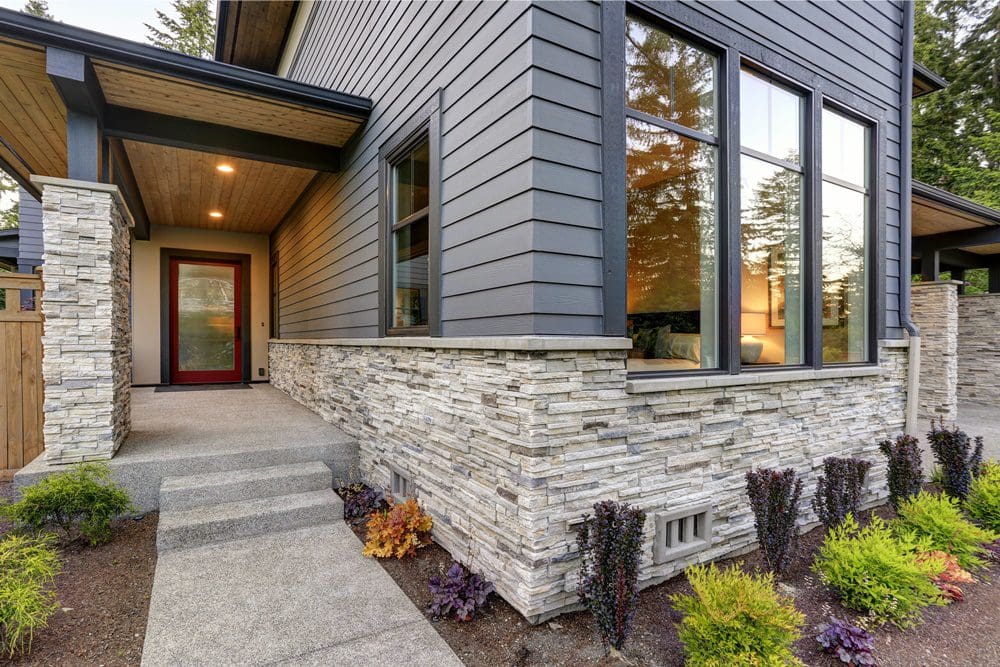

The renovation turned out even better than we pictured. Everyone involved was easy to talk to and kept us in the loop through every stage. Work moved along smoothly and the results look fantastic. Friends keep asking who did the work.


We recently had our outdated bathroom remodeled by Golden Shore Design and Build, and Chris was exceptional throughout the entire process. His attention to detail and commitment to quality truly transformed our space into a luxurious retreat. I highly recommend their services for anyone looking to upgrade their home.

The whole house renovation gave our place a fresh new feel. Each room flows naturally into the next. We are proud of how it all turned out

We recently finished a complete kitchen renovation and are very satisfied with our construction and renovation firm. From the initial design consultation through to the final walk-through, the staff at this company displayed a remarkable level of professionalism and knowledge. Our project manager kept us fully apprised of the progress through daily updates and was very responsive to all of our inquiries. The staff were very considerate, on time, and maintained a remarkably clean construction site, causing little disruption to our daily routine. The workmanship is of the highest quality, and they completed the project right on time and within the agreed-upon budget with no surprises.

Professional builders providing neat finishes and smooth project coordination.

The remodel on our place included a few tricky parts but this team knew exactly what they were doing. Their design sense made the layout flow better than it ever has. It feels like a real upgrade in terms of value.

I brought them in for a full home remodel and the whole experience felt smooth and straightforward. Their design ideas actually made the renovation feel exciting instead of stressful. You can tell the builders care about a quality build from start to finish.

I hired them for a residential remodel, and I’m blown away by the results. The design process was smooth and collaborative, which made the whole project stress-free. These guys really know how to deliver a great renovation.

My bathroom and kitchen renovation turned out strong across the board. Their remodel contractor kept communication easy and never made things confusing. The quality build shows and the place feels refreshed in the best way.

I had this business remodel two bathrooms and both turned out perfect. They made sure I was comfortable while the work was being done. The results speak for themselves.
People Also Ask
Luxury home renovation services in Solana Beach vary widely in cost, influenced by project scope, material selections, and the level of customization. For high-end renovations, homeowners can expect a significant investment. A full-scale, comprehensive renovation often ranges from $300 to $600 per square foot or more, meaning a major project on a typical luxury property can easily reach into the hundreds of thousands of dollars. Key cost drivers include premium materials (like custom cabinetry, natural stone, and high-end appliances), architectural and design fees, permit acquisition, and specialized labor for coastal construction standards. It is crucial to obtain detailed, itemized quotes from reputable, licensed contractors who have specific experience with Solana Beach's building codes and coastal environment to ensure quality and proper budgeting.
Meetinghouse builders specialize in constructing religious facilities, often for specific denominations like The Church of Jesus Christ of Latter-day Saints, which uses the term "meetinghouse" for its standard chapels. This niche requires a deep understanding of sacred space design, incorporating functionality for worship, education, and community gatherings while adhering to specific architectural guidelines and budgets. A professional builder in this field must coordinate complex elements like acoustics, multi-use spaces, and durable materials that convey reverence. Success hinges on meticulous project management, respectful collaboration with church representatives, and a commitment to creating a functional, inspiring environment that serves a congregation for decades. It is a specialized segment of commercial construction demanding both technical skill and cultural sensitivity.