Key Takeaways: Renovating a historic home in San Diego is a unique journey of preservation and modernization. The Mills Act can offer significant property tax savings, but it comes with a binding commitment to specific preservation standards. Success hinges on understanding local guidelines, choosing the right team, and embracing a philosophy of stewardship over simple remodeling.
Let’s be honest: the moment you walk into a Craftsman bungalow in North Park or a Spanish Revival in Bankers Hill, you’re not just seeing a house. You’re holding a piece of the city’s story. That feeling is what drives people to take on a historic renovation here. But that romance quickly meets the reality of permits, guidelines, and the big question: can you actually make this old beauty work for modern life without gutting its soul? We’ve been through this process dozens of times, and the short answer is yes—but the path requires more patience, more planning, and a different mindset than a standard remodel.
The biggest lever—and often the biggest point of confusion—is the Mills Act. In essence, it’s a state-enabled program that cities like San Diego administer, offering a potential 40-60% reduction in property taxes in exchange for a 10-year, automatically renewing contract to preserve, maintain, and restore the historic property according to the Secretary of the Interior’s Standards. It’s not a grant; it’s a long-term agreement with real teeth.
Table of Contents
What the Mills Act Really Means for Your Wallet and Your Freedom
Everyone focuses on the tax savings, and they are substantial. On a $1.5 million assessed value, we’re talking about thousands back in your pocket annually. That money is often the crucial fuel that makes a high-quality restoration financially feasible. But the contract is the other side of that coin. You’re committing to a specific, approved restoration plan and ongoing maintenance. The city will check in. This isn’t a program for someone who wants to put up vinyl windows or slap modern siding over original shiplap next year.
We’ve seen homeowners get tripped up by thinking of the Mills Act as just a financial tool. It’s a preservation philosophy, codified into a legal document. Your project shifts from “what do I want?” to “what does this house need, and how can my needs fit within that framework?” The tax savings are your reward for being a steward.
The Local Landscape: It’s More Than Just the City
San Diego’s preservation ecosystem has a few key players. The city’s Development Services Department is your gateway for permits, but the Historical Resources Board (HRB) is the guardian of the guidelines. If your home is a designated historical resource (or you’re seeking designation as part of the Mills Act), the HRB reviews and approves your work. Then there are the local historic districts, like parts of Mission Hills or Golden Hill, which often have their own additional design guidelines to maintain neighborhood character.
A practical observation: the coastal zone adds another layer. If your historic cottage in La Jolla or Point Loma is in the coastal zone, you’re also dealing with the California Coastal Commission’s purview. It’s not uncommon for a project to need harmony between HRB guidelines and Coastal Commission policies. This is where experience navigating these parallel processes saves months of headache.
Where Projects Usually Go Off the Rails
We can almost predict the sticking points before they happen. They’re rarely about the big stuff; everyone expects to preserve the façade. It’s the details that cause friction.
The Window Debate. This is the number one issue. Original single-pane wood windows are often drafty. The immediate impulse is to replace them with double-paned, energy-efficient vinyl or aluminum units. This is typically a non-starter with the HRB. The solution isn’t a binary choice between original and replacement. We’ve had great success with professionally restoring the original sashes and adding interior or exterior storm panels for efficiency. It’s often a comparable cost to high-end replacement windows and preserves the historic sightlines and authenticity. The trade-off? You might not get the tilt-wash convenience, but you keep the character—and the HRB’s approval.
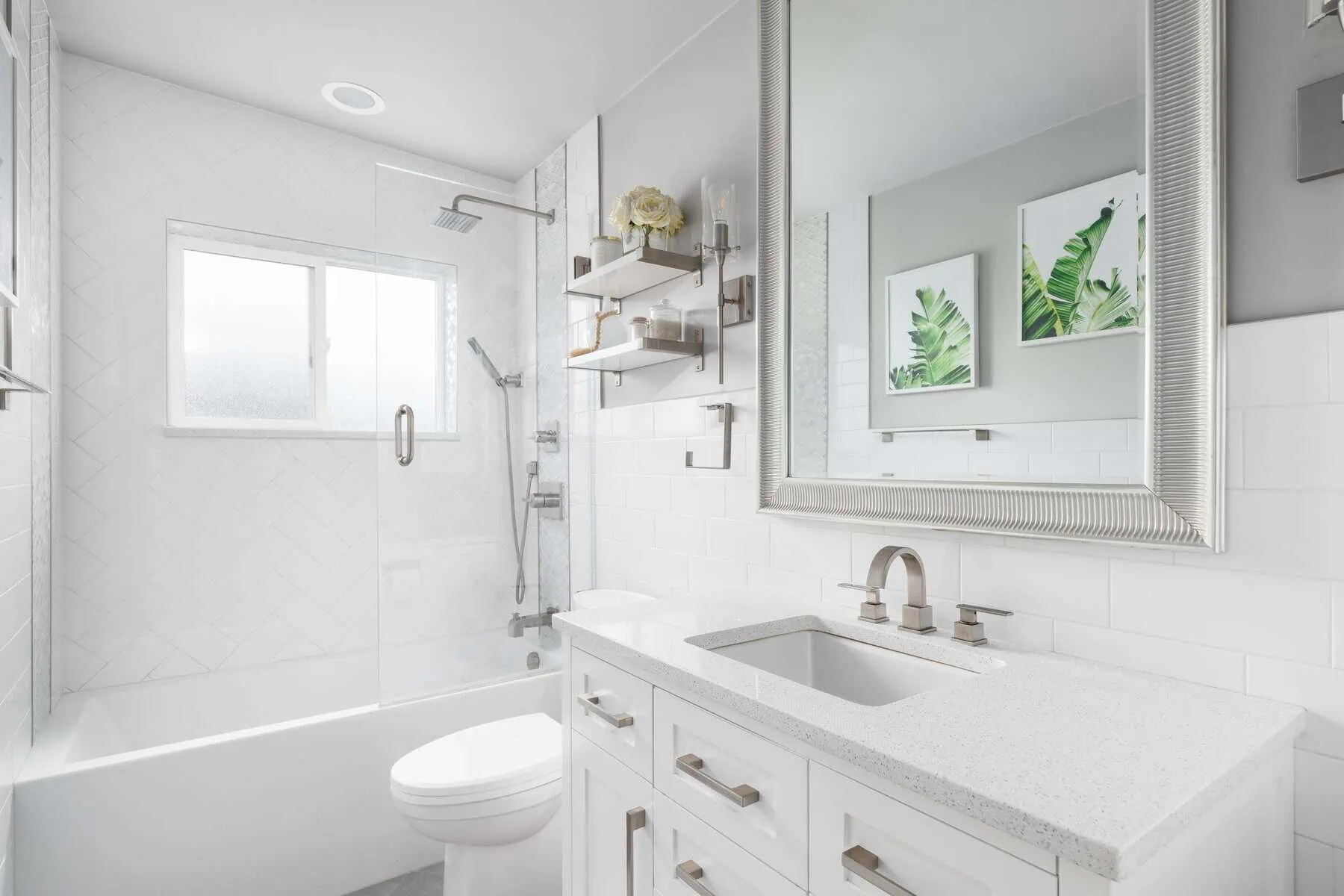
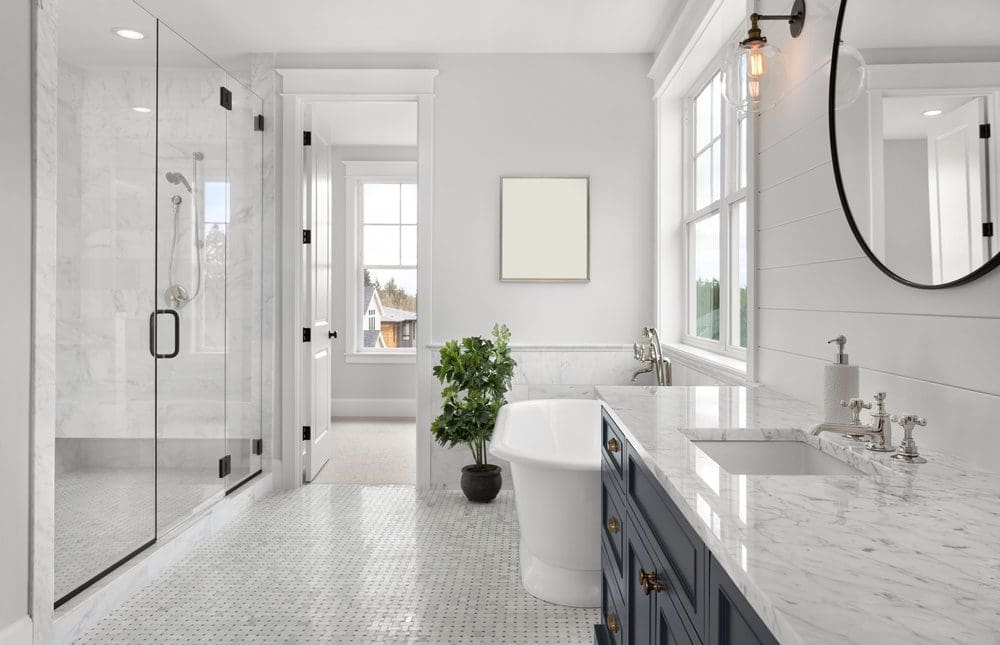
The Kitchen and Bath Conundrum. No one wants a 1920s kitchen with a tiny icebox and no dishwasher. The guideline here is about “compatible change.” You can modernize the function, but the form should respect the home’s era. This means designing Shaker-style cabinets that match the home’s millwork, using period-appropriate tile patterns in the bath (like hexagon floors or subway wall tile), and avoiding ultra-modern, handle-less slab fronts in a Victorian. The plumbing fixtures can be modern but in a classic design. It’s a blend, not a replica.
The “While We’re At It” Syndrome. This is a budget killer. You start by repairing the original lathe and plaster in one room, discover knob-and-tube wiring, then find a soft spot in the subfloor. Historic work is inherently investigative. The single most important line item in your budget is a contingency fund. We recommend 20-30% for a major historic renovation, not the 10% you might set aside for a new build. If you don’t spend it, it’s a bonus. But you will almost certainly need it.
A Practical Guide to Common Material Choices
Navigating what’s acceptable, what’s a compromise, and what’s a hard “no” is easier with a clear comparison. Here’s a breakdown of common dilemmas we see in San Diego historic homes.
| Element | The Preservation Guideline (Ideal) | The Practical Compromise (Often Acceptable) | The Likely Problem (Usually Rejected) |
|---|---|---|---|
| Siding | Repair/restore original wood shiplap, shingles, or stucco. | Replicate original profile with new, high-quality wood or fiber-cement (like Hardie). | Installing vinyl siding or a stucco texture that doesn’t match the original. |
| Roofing | Restore original clay tile, slate, or wood shakes. | Use modern concrete tile that mimics the original profile/color, or Class A fire-rated synthetic shakes. | Switching from a distinctive Spanish tile to generic composite shingles. |
| Windows | Restore original wood windows, reglaze, add storm panels. | Custom-built, true-divided-light wood windows matching original dimensions. | Inserting white vinyl windows with snap-in muntins, altering the window opening size. |
| Flooring | Refinish original hardwood, repair original tile. | Source reclaimed wood of similar species/width, or new tile in a historic pattern. | Installing wide-plank, espresso-stained floors in a Craftsman, or glossy porcelain. |
When a Historic Renovation Might Not Be Your Path
This work isn’t for everyone. If your primary goal is to maximize square footage, create a completely open-concept floor plan, or install the latest smart-home tech invisibly, a historic district might feel restrictive. The guidelines exist to protect the shared history of the structure and streetscape. Sometimes, that means you can’t add a massive second-story addition that would overwhelm the original cottage form. Other times, it means your exterior color palette needs approval from a review board.
You need to go into this wanting the outcome of a preserved historic home, not just tolerating the process. The frustration sets in when the process is seen as a hurdle rather than a collaborative effort to get it right.
Why Your Team is Everything
You wouldn’t hire a cardiologist to set a broken leg. Don’t hire a production home remodeler for a historic restoration. You need a design-build team or architect with a portfolio of successfully permitted historic work in San Diego. They should know the HRB staff, understand the unspoken nuances of the guidelines, and speak the language of preservation. Their early involvement is worth every penny. They can tell you during the initial walk-through if that dream rear addition is feasible or if the foundation repair will trigger a full seismic upgrade.
A local team will also know the realities of our climate. In coastal zones, they’ll specify materials that resist salt air. They’ll understand how to improve ventilation in our older homes to combat mold potential without compromising the envelope. They know which local suppliers carry the period-appropriate door hardware or can mill that specific crown molding profile.
The Golden Shore Perspective: Stewardship as a Service
For us at Golden Shore Design & Build in San Diego, this work is a privilege. It’s about listening to the house—the way the original craftsmen framed a corner, the wear on the staircase telling a story of a century of families. Our role is to translate that story for you, the modern homeowner. We bridge the gap between the 1915 building techniques and 2026 living standards, finding the solutions that honor both. The Mills Act process, while bureaucratic, is ultimately a tool to make that careful, respectful work economically viable. If you’re looking at a historic property with a mix of awe and anxiety, the best first step is to talk to someone who’s navigated the journey before. It transforms the unknown from a fearsome thing into a manageable, and even rewarding, project plan.
In the end, renovating a historic home here isn’t about creating a museum. It’s about gently weaving a new chapter into a very old, very beautiful book. You get to be both a resident and a curator, which is a uniquely San Diego kind of magic.
People Also Ask
The Mills Act is a valuable tool for historic property owners in San Diego, Chula Vista, National City, La Mesa and Spring Valley CA. The primary pro is a significant reduction in property taxes, as the assessment is based on the income method rather than market value. This can lead to substantial annual savings. Another advantage is the preservation incentive; the contract requires you to maintain the property's historic character, which can increase its long-term value and charm. However, the cons include strict maintenance requirements and mandatory approvals for any alterations, which can be costly and time-consuming. You are also locked into a minimum 10-year contract that automatically renews, making it difficult to sell or change the property's use without penalties. If you are considering this program, Golden Shore Design and Build can provide expert guidance on navigating the application and compliance process.
The Mills Act program in San Diego offers significant property tax reductions for owners of historic homes who commit to their preservation. Homes eligible for the Mills Act are typically designated as historic by the city or county, and they are often listed on a local historic register. When searching for Mills Act homes for sale in San Diego, you should look for properties with a Mills Act contract already in place, as this means the tax savings are already established. These homes can be found through real estate listings that specifically mention the Mills Act designation. It is important to note that the contract runs with the property, so a new owner must continue the preservation responsibilities. Golden Shore Design and Build can assist with understanding the restoration and maintenance requirements that come with owning a Mills Act property.