Key Takeaways: Remodeling a mid-century modern home in San Diego is a balancing act. The goal isn’t to create a museum, but a functional home that honors its architectural DNA. Success hinges on identifying what’s truly original and worth saving, understanding the local climate’s demands, and knowing where modern systems can—and should—quietly integrate. Get this wrong, and you lose the soul of the house. Get it right, and you have a timeless home that works for modern life.
So, you’ve bought a time capsule in Clairemont, or maybe a slightly tired gem in Del Cerro. The lines are clean, the roofline is low, and you can just feel the potential. But the single-pane windows rattle, the kitchen is from the 80s, and you’re pretty sure the plumbing has opinions. Welcome to the uniquely rewarding, occasionally frustrating, world of mid-century modern remodeling in San Diego.
This isn’t your standard renovation. It’s more like architectural stewardship. The pressure is real—from purists online to your own desire for a kitchen that doesn’t look like a laboratory. We’ve walked into dozens of these homes, coffee in hand, listening to the same core dilemma: “We love the character, but we need it to work for our family.” That’s the entire project, right there.
What Makes a Mid-Century Modern Home, Anyway?
Before you swing a sledgehammer, it helps to know what you’re looking at. Mid-century modern (roughly 1945–1970) was less about a single style and more about a philosophy. Post-war optimism met new materials and a focus on bringing the outside in. In San Diego, architects like Modernists influenced by the Case Study Houses embraced our climate and landscape.
Here’s the quick checklist we run through on a first walk-through:
- Form Follows Function: The layout is usually straightforward, often with an open-plan living area.
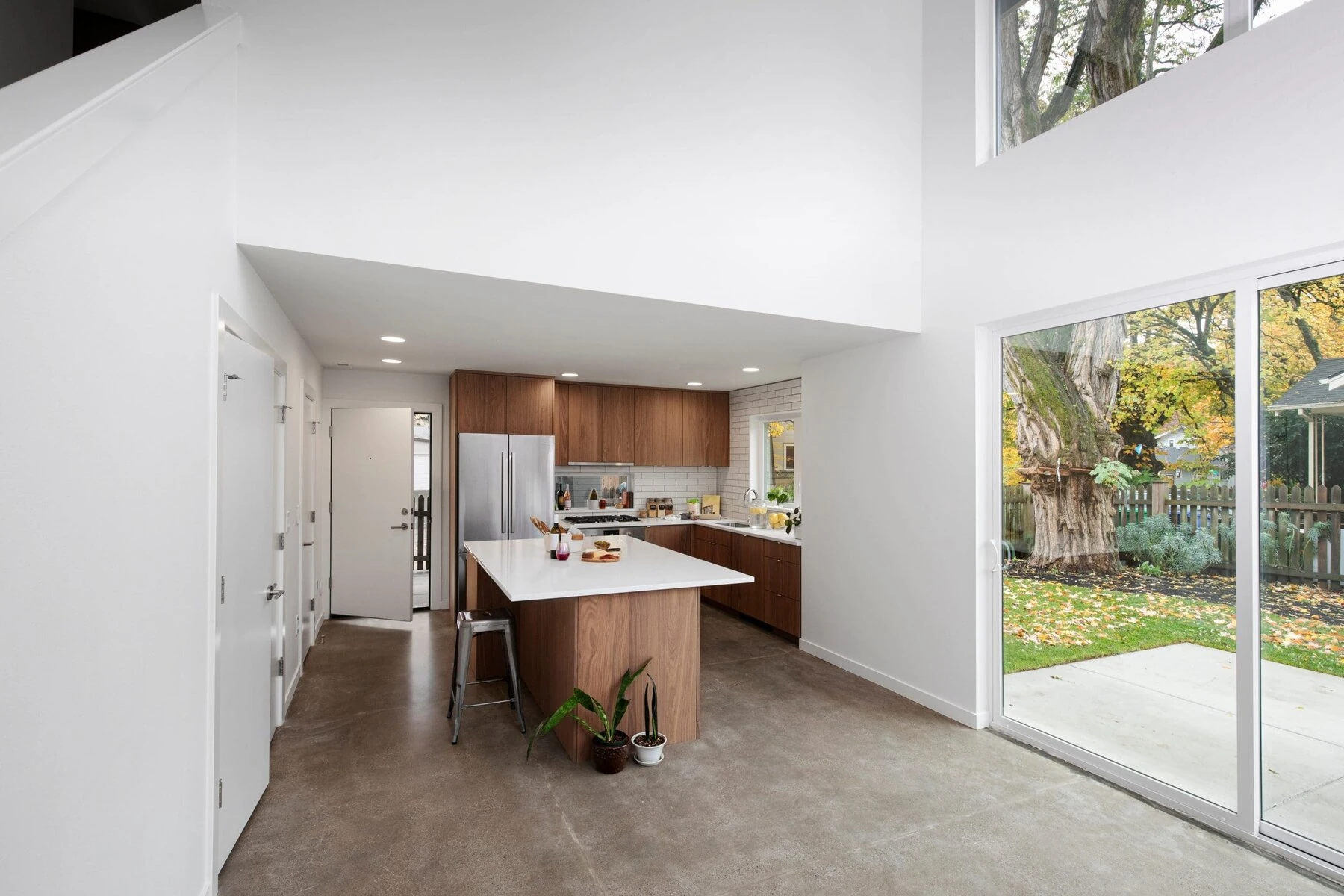
- Connection to Nature: Large windows, sliding glass doors, and covered patios (often called “California rooms”) are hallmarks.
- Low-Slung Profile: Flat or gently sloping roofs with wide overhangs.
- Honest Materials: Exposed post-and-beam construction, natural wood (especially teak and redwood), brick, and stone.
- Geometric Simplicity: Clean lines, minimal ornamentation, and an emphasis on geometric shapes.
If your house has several of these features, you’re in the club. The goal of remodeling is to enhance these principles, not fight them.
Table of Contents
The Great Debate: Preservation vs. Practicality
This is where most projects find their tension. You can’t save everything, nor should you. The key is making strategic, informed choices.
What’s Almost Always Worth Saving
Some elements are the soul of the house. Removing them fundamentally changes its character.
- The Roofline and Facade: Altering the iconic low-pitched profile is the fastest way to make your MCM home look like a generic box. We see this mistake often in University City, where second-story additions can go horribly wrong if they ignore the original massing.
- Original Windows and Doors: This one hurts, because they are notoriously inefficient. But their divided lites, slender frames, and sheer scale are irreplaceable. Before you decide to replace, explore restoration. A quality weather-stripping and storm panel solution can work wonders and preserve the look.
- Exposed Structural Elements: If you have exposed beams or tongue-and-groove ceilings, paint is not your friend. Stripping paint off these features is a painstaking (and expensive) process, but the payoff in restored warmth is immense.
- Signature Brick or Stonework: That original fireplace or interior stone wall is a focal point. Clean it, highlight it, build your room around it.
Where Modern Upgrades Are Not Just Okay, But Essential
Here’s where we get practical. A home must function.
- Insulation and HVAC: These homes were often built with minimal insulation. Scrimping here is a false economy, especially with our SDG&E rates. Blown-in insulation in walls and roofs, coupled with a properly sized, discreet mini-split system, can maintain comfort without compromising aesthetics.
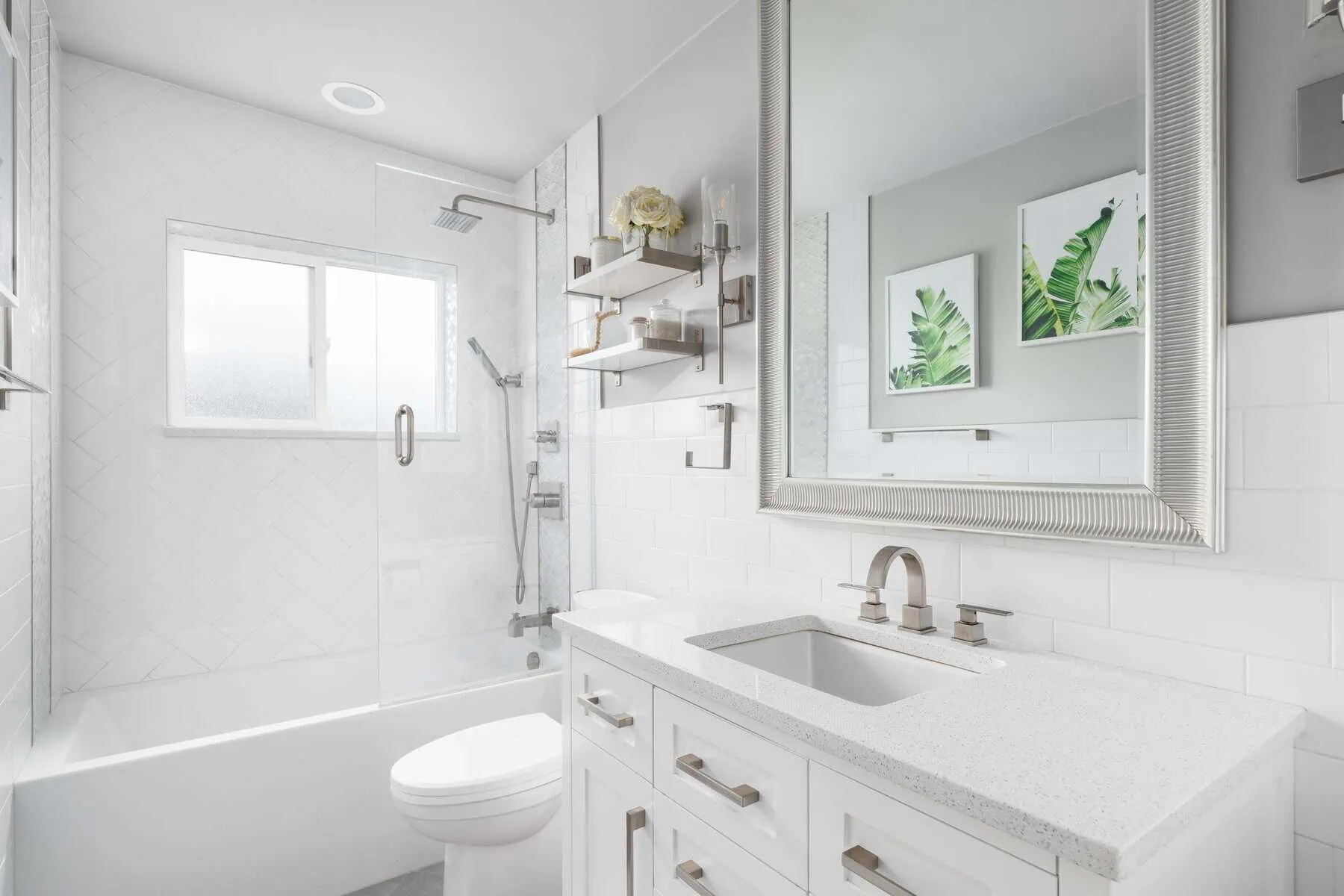
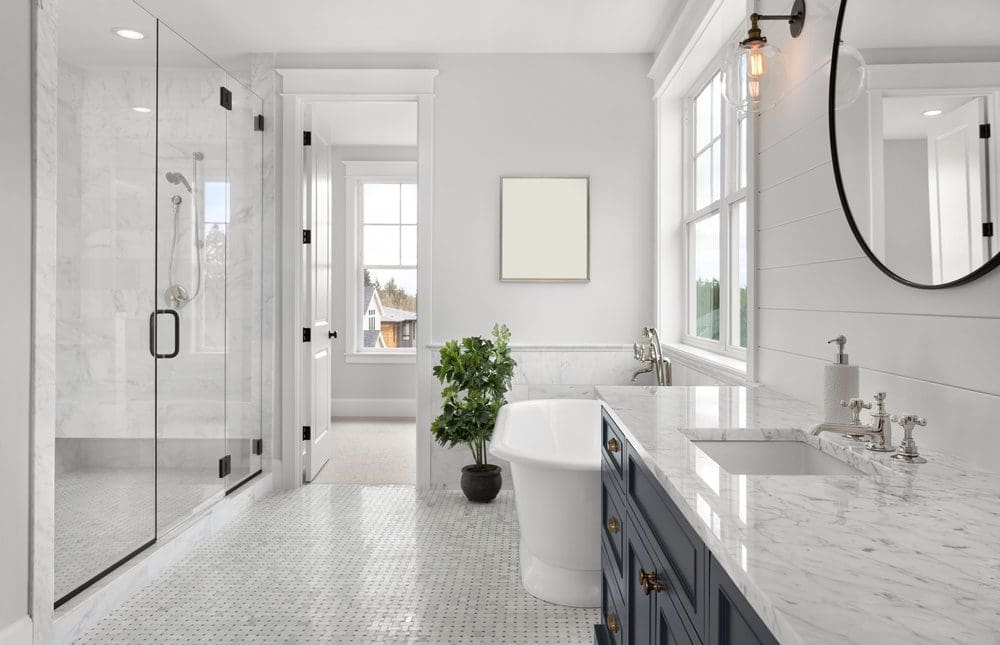
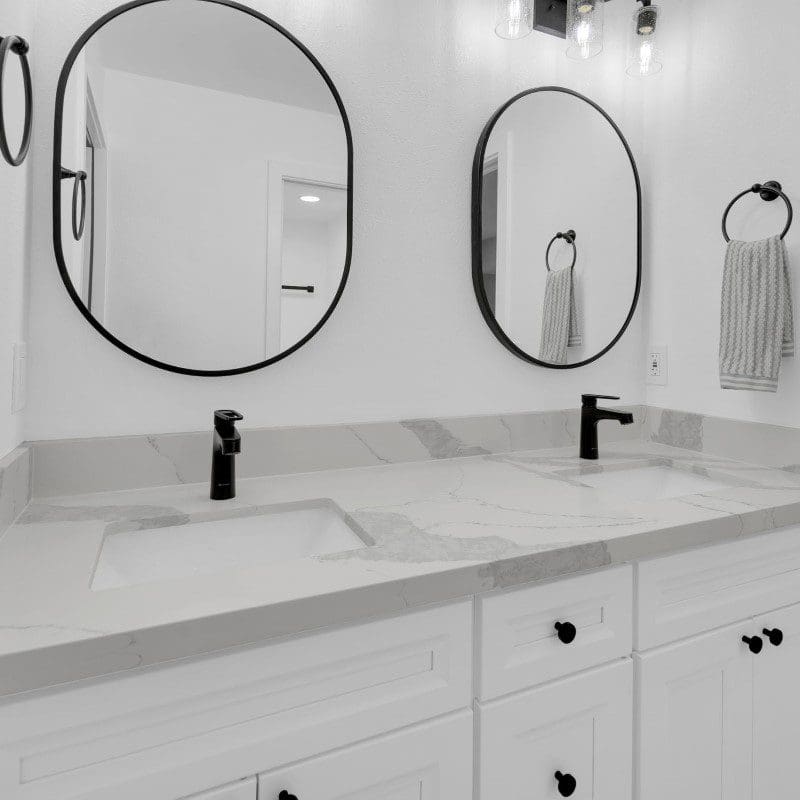
- The Kitchen and Bath Core: You don’t need to keep the pink laminate countertop. The goal is to update the functionality while echoing the period’s spirit. Think flat-panel cabinet doors, integrated appliances, and durable, simple surfaces like quartz that mimic stone.
- Electrical and Plumbing: This is non-negotiable. Updating to modern code prevents fires and floods. The trick is adding ample, well-placed outlets and efficient plumbing runs without making the walls look like Swiss cheese.
Navigating the San Diego Specifics
Our sunny paradise comes with its own remodeling rulebook. What works in a Midwest MCM won’t fly here.
The Sun is Your Best Friend and Worst Enemy. All those gorgeous windows can turn your living room into a greenhouse. We specify high-performance, low-E glass for any new or restored windows to manage heat gain. Strategic landscaping with native, drought-tolerant plants can provide passive cooling.
Termites and Dry Rot are a Given. It’s not if, but where. During demolition, expect to find some repair work. Budget a 10-15% contingency for unforeseen structural issues, particularly in older neighborhoods like Kensington or Normal Heights where these homes have settled over decades.
Outdoor Living is a Primary Room. That covered patio isn’t an afterthought; it’s an extension of your living space. Investing in a proper structural assessment to expand or hard-cover a crumbling original patio is one of the highest-return moves you can make. It directly taps into the indoor-outdoor ethos.
A Realistic Look at Budgets and Phases
Let’s talk numbers. Because mid-century remodels are part restoration, part upgrade, they often cost 15-25% more than a similar-sized conventional remodel. You’re paying for specialty trades, careful deconstruction, and higher-end materials that match the period.
Here’s a rough breakdown of where the money goes in a typical full-house renovation we undertake for clients in San Diego:
| Phase & Focus | What It Typically Includes | The Trade-Off & Watch-Out |
|---|---|---|
| The Envelope & Bones | Roofing, window restoration/upgrade, insulation, structural repairs, HVAC. | Least sexy, most critical. Skipping this for flashier interiors leads to long-term pain. This is where a pro’s experience spotting hidden issues pays for itself. |
| The Heart (Kitchen/Baths) | Cabinetry, counters, plumbing fixtures, lighting, flooring. | It’s easy to blow the budget here. Period-appropriate fixtures (think Kohler’s “Vintage” line) cost more. A good designer can mix key vintage pieces with affordable, simple modern ones. |
| The Character & Finish | Flooring restoration (hardwood/terrazzo), built-in millwork, fireplace refurb, interior paint. | This is where the magic happens. DIY here is high-risk. Refinishing original terrazzo incorrectly, for example, can ruin it forever. |
When to Call in the Cavalry
We love a savvy DIYer. But some tasks scream for a professional. If you’re facing any of the following, it’s time to make some calls:
- Altering the roofline or footprint. The structural and aesthetic risks are too high.
- Restoring original windows or complex doors. Specialized skills and tools are required.
- Dealing with significant termite or dry rot damage. What looks like a simple patch often hides a larger issue.
- Designing a layout that feels mid-century modern. It’s harder than it looks. An architect or designer steeped in the style can make new additions look like they’ve always been there.
For a homeowner in La Jolla or Point Loma, hiring a firm like ours at Golden Shore Design & Build isn’t just about getting the work done; it’s about having a guide through the maze of historic districts, material sourcing, and craftsperson referrals. It saves you months of research and costly missteps.
The Final Word: It’s About Vibe, Not Dogma
At the end of the day, the best remodeled mid-century homes we see in San Diego aren’t slavish recreations of 1962. They’re homes that feel light, connected, and simple. They have a patina of history but the pulse of modern life. They respect the original architect’s intent—to create a serene, functional shelter in our beautiful landscape—while unabashedly serving the people who live there now.
Don’t get paralyzed by the “rules.” Make informed choices, save the irreplaceable, upgrade the necessary, and create a home that makes you happy. That’s the most authentic tribute to the mid-century spirit there is.
Related Articles
Golden Shore Design and Build (GSDB) | General Contractor in San Diego
La Jolla Home Remodeling: A Guide To Coastal Luxury, Hillside Engineering & Historic Preservation
How To Blend Vintage And Modern Styles Seamlessly
From Dated To Dreamy: A Before ; After Tour Of A North Park Kitchen
Expert Home Remodeling in La Mesa, CA | Local Design & Build
People Also Ask
The 30% rule in remodeling is a common guideline suggesting that homeowners should not spend more than 30% of their home's current market value on a single renovation project. This principle helps ensure that your investment aligns with the property's overall worth, preventing you from over-improving for the neighborhood. For example, if your home is valued at $500,000, you would limit a kitchen or bathroom remodel to around $150,000. While this rule provides a useful financial boundary, it is not a hard-and-fast law. Factors like local market conditions and your long-term plans should also be considered. For a deeper understanding of budgeting and project scoping, we recommend reviewing our internal article titled 'The Complete Home Renovation Roadmap: A Step‑by‑Step Guide From First Sketch to Final Walkthrough' at The Complete Home Renovation Roadmap: A Step‑by‑Step Guide From First Sketch to Final Walkthrough. At Golden Shore Design and Build, we always advise clients to balance this rule with their personal goals and home equity.
While Mid-Century Modern (MCM) homes have timeless appeal, they do come with notable drawbacks. Many original MCM houses feature flat roofs, which can be prone to leaks if not properly maintained with modern waterproofing. The extensive use of single-pane glass windows and minimal insulation often leads to higher energy bills, as these homes were not built with today's efficiency standards. Additionally, outdated electrical and plumbing systems may require costly upgrades. Asbestos and lead paint are common in older MCM structures, posing health risks during renovations. For homeowners in San Diego, Chula Vista, or National City, addressing these issues requires careful planning. Golden Shore Design and Build can help evaluate these challenges, ensuring your MCM home is updated safely while preserving its iconic character.
Yes, mid-century modern remains a highly influential and sought-after style in 2026. Its clean lines, organic curves, and emphasis on functionality continue to resonate with homeowners who value timeless design over fleeting trends. The style's focus on natural materials like wood and stone, combined with its integration of indoor and outdoor spaces, aligns perfectly with current preferences for sustainable and comfortable living. For those looking to refresh a mid-century look, blending it with contemporary elements is a popular approach. Golden Shore Design and Build often recommends our internal article How To Blend Vintage And Modern Styles Seamlessly for expert guidance on achieving this balance without losing the original character.
The five key elements of Mid-Century Modern (MCM) decor include clean lines and simple forms, which emphasize function over ornamentation. Organic shapes inspired by nature are another hallmark, often seen in furniture silhouettes. A neutral color palette is foundational, typically featuring whites, grays, and browns, with bold accent colors like mustard yellow or teal added for contrast. Natural materials such as wood, especially teak or walnut, are essential for warmth and texture. Finally, a strong connection to the outdoors is achieved through large windows or open floor plans, bringing in natural light. For expert guidance on incorporating these elements into your San Diego home, Golden Shore Design and Build can help you achieve an authentic MCM look.
When renovating a mid century modern home, common mistakes include ignoring the original architectural lines or replacing authentic materials like terrazzo and teak with modern substitutes that clash with the era. Another error is using overly bright or cool lighting, which destroys the warm, soft glow these spaces require. Homeowners also often choose furniture that is too large or ornate, breaking the clean, low-profile silhouette that defines the style. For expert advice on mixing eras without losing the mid century soul, Golden Shore Design and Build recommends reading our internal article How To Blend Vintage And Modern Styles Seamlessly. Focusing on period-appropriate fixtures and respecting the original floor plan will help you avoid costly missteps.
Updating a mid century modern home requires a thoughtful balance of preservation and modernization. Focus on maintaining the original clean lines, open floor plans, and large windows that define the style. Key updates often include refreshing the kitchen and bathrooms with period-appropriate materials like terrazzo, walnut cabinetry, or colorful tile. For a comprehensive approach to coastal luxury and hillside engineering, you can refer to our internal article La Jolla Home Remodeling: A Guide To Coastal Luxury, Hillside Engineering & Historic Preservation. Golden Shore Design and Build specializes in these sensitive renovations, ensuring that new energy-efficient windows, updated electrical systems, and modern insulation do not compromise the home's iconic character. Always prioritize restoring original features like exposed beams or stone fireplaces before making structural changes.
For homeowners in San Diego, Chula Vista, National City, La Mesa and Spring Valley CA, mid-century modern architecture remains a highly sought-after style. This design philosophy emphasizes clean lines, large glass windows, and a strong connection between indoor and outdoor living spaces. A key challenge is updating these classic homes for modern efficiency without losing their original character. For expert guidance on this balance, you can read our article How To Blend Vintage And Modern Styles Seamlessly, which provides professional strategies for respecting the original structure while integrating contemporary amenities. Golden Shore Design and Build often advises clients to focus on preserving iconic elements like exposed beams and terrazzo floors while upgrading insulation and smart home technology for comfort.