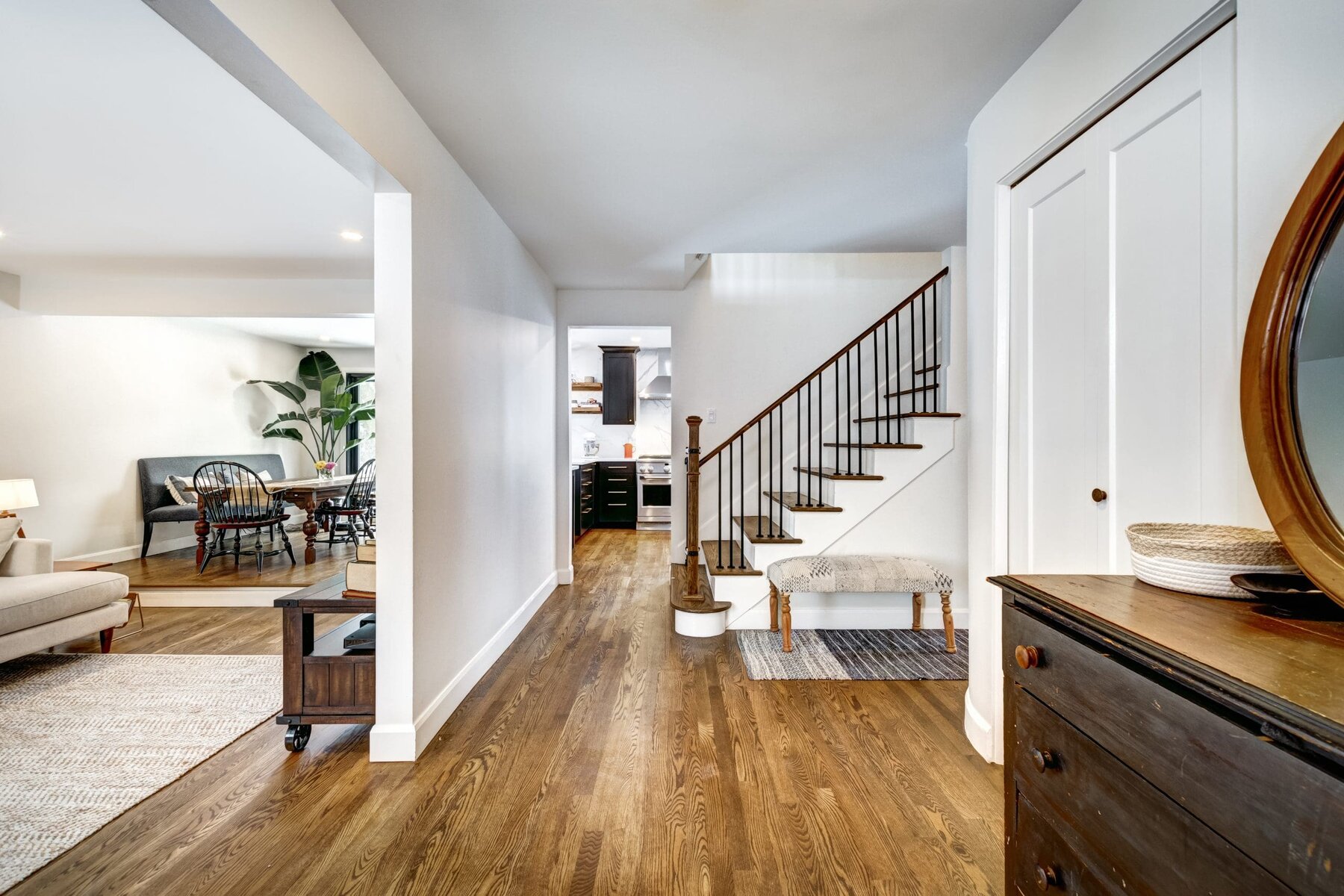
Ever stood in the middle of your own home and felt a profound sense of… meh? The cabinets are dated, the bathroom has that charming pink tile that’s been out of style since the ‘80s, and you’re pretty sure your “open concept” living area is actually a series of small, confused boxes. We get it. We’ve been there, both as homeowners and as the team at Golden Shore Design and Build, the San Diego-based crew that turns those “meh” feelings into “wow” moments.
Let’s be real, the world of home renovation can feel overwhelming. You’re juggling a dozen questions: What will this cost? How do I find a general contractor I can trust? Is it better to do a whole house remodel or just focus on the kitchen and bathroom? And for the love of all that is holy, what exactly is an ADU and why does everyone in San Diego suddenly want one? Take a deep breath. We’re going to walk through this together, no hard hats required (yet).
First Things First: The Dream vs. The Budget
Alright, let’s talk about the elephant in the room: the price. It’s the one word that can make even the most ambitious home remodel plans come to a screeching halt. We’re not going to sugarcoat it—quality residential construction is an investment. But here’s the secret we’ve learned after years in this business: understanding the cost upfront is the key to empowerment, not paralysis.
Think of it this way: you wouldn’t buy a car without knowing the sticker price, right? The same logic applies to your home building or renovation project. A reputable remodeling company won’t make you play a guessing game. They’ll work with you from the initial home design phase to outline a realistic budget that aligns with your vision. At Golden Shore Design and Build, we believe in radical transparency from day one. It saves everyone a massive headache later. IMO, a vague estimate is a red flag you can see from space.
So, What Are You Actually Building? Understanding Project Types
Not all projects are created equal. The scope of work, timeline, and, yes, the cost, vary dramatically depending on what you want to achieve. Let’s break down the common paths you might take.
The Cosmetic Refresh
This is the “nip and tuck” of the remodeling world. We’re talking new paint, flooring, light fixtures, and hardware. It’s amazing how far these changes can go! This is a great starting point if you’re looking for a high-impact, lower-cost update.
The Room-Specific Makeover
This is where most people start their journey. The heart of the home often gets the most attention.
-
The Kitchen Renovation
The kitchen is the undisputed heavyweight champion of home remodeling. It’s where we cook, gather, and sometimes cry over spilled milk (hopefully not on new cabinets). A kitchen remodel can range from simply refacing cabinets and swapping countertops to a full-gut job that reconfigures the entire layout. The price tag reflects that range, but a well-done kitchen update often gives you the biggest return on investment and daily joy. Ever opened a drawer and had it glide smoothly and silently? It’s a small thing that feels ridiculously luxurious. -
The Bathroom Remodel
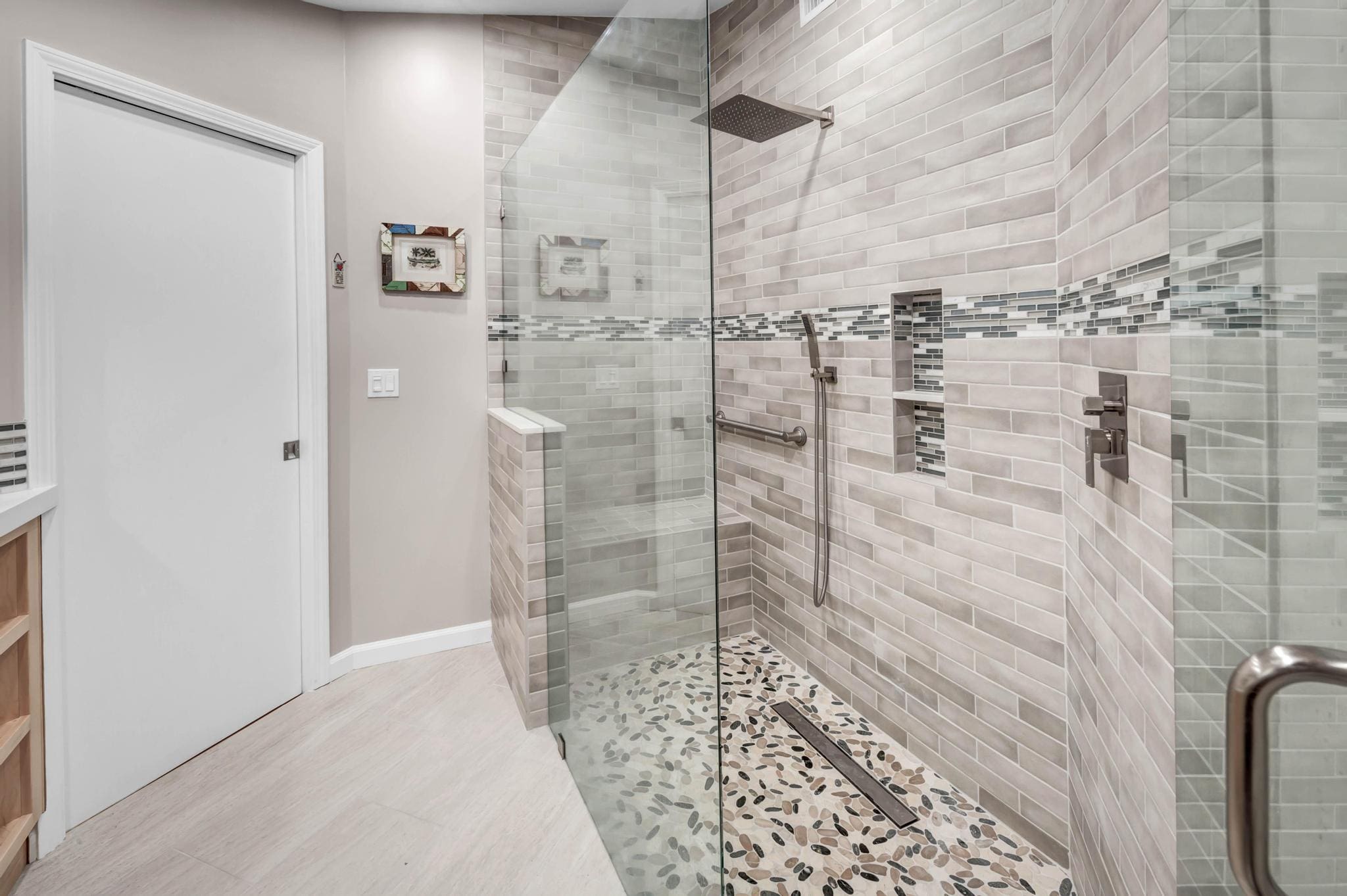
Ah, the bathroom. Your private sanctuary from the chaos of family life. A bathroom renovation can transform a cramped, utilitarian space into a spa-like retreat. This is a project where smart choices in materials and layout make all the difference. And let’s be honest, nobody misses those icky, old linoleum floors.
The Big Leagues: Expansions and New Construction
Sometimes, a facelift just isn’t enough. You need more space, and that’s where things get really exciting.
-
Room Additions
Need a home office, a playroom, or a legit guest room that isn’t just a couch? A room addition is like giving your home a growth spurt. It’s a significant undertaking, but it allows you to customize a new part of your home exactly to your needs without the hassle of moving. -
The Alluring ADU
If you live in San Diego, you’ve definitely heard the acronym ADU (Accessory Dwelling Unit). Think of it as a mini-house in your backyard. Why the hype? ADUs are brilliant for housing family members, creating a rental income stream, or just having a killer home office or studio away from the main house. They are, without a doubt, one of the smartest investments a San Diego homeowner can make right now. -
Whole House Remodel & Luxury Home Building
This is the grand symphony of residential construction. A whole house remodel often involves reconfiguring the entire floor plan, and luxury home builders focus on the highest levels of craftsmanship, materials, and smart home integration. It’s a journey, but the result is a home that is truly, uniquely yours from the ground up.
Your Project Roadmap: What to Expect
Okay, so you’ve picked your project. What now? The process isn’t as mysterious as some general contractors might have you believe. Here’s a typical roadmap.
Phase 1: The Discovery and Design
This is where the magic begins. We sit down, we talk about your life, your needs, and your dreams. Then, we translate that into a tangible plan. At Golden Shore Design and Build, we lean heavily on 3D design software. Why? Because being able to “walk through” your new space before a single wall is torn down is a game-changer. It eliminates the “I thought you meant…” conversations and ensures we’re all on the same page. It’s basically a crystal ball for your renovation.
Phase 2: Pre-Construction
This is the behind-the-scenes work that makes the on-stage performance possible. We handle all the nitty-gritty:
- Engineering & Architectural Plans: Finalizing the technical drawings.
- Permitting: Navigating the lovely world of city planning. (A necessary evil, but we’ve got this.)
- Material Selection: This is the fun part—choosing everything from tile to faucets.
Phase 3: Construction
Cue the demolition! This is when the vision starts becoming a reality. A good remodeling contractor will manage this phase with military precision, keeping the site clean, safe, and the workflow efficient. Communication is key here; you should never feel in the dark about what’s happening in your own home.
Finding “The One”: Your General Contractor
This is arguably the most important decision you’ll make. Your general contractor is your partner, your guide, and your advocate. So, how do you find the nearest reputable professional? A quick online search for “the closest remodeling company” might get you started, but you need to dig deeper.
Look for:
- Solid Credentials: Proper licensing and insurance are non-negotiable. Seriously.
- A Stellar Portfolio: Do their past projects make your heart sing?
- Raving Reviews: What are past clients saying about their experience?
- A Connection: You’re going to be working with these people for months. You should actually like them and trust them.
We might be a bit biased, but we built Golden Shore Design and Build on these exact principles. We’re not just luxury home builders; we’re your nearby neighbors who care deeply about the community and the homes we work on. FYI, a great contractor won’t just be the closest one on a map; they’ll feel like the right fit for your family.
Budgeting Realistically: A Handy Table
Let’s get practical. While every project is unique, here’s a general table to give you a ballpark idea of what to expect for various projects in the San Diego market. Remember, these are estimates and can vary based on size, scope, and material selections.
| Project Type | Typical Scope | Average Investment Range (San Diego) | Key Considerations |
|---|---|---|---|
| Minor Kitchen Remodel | Cabinet refacing, new countertops, appliances, paint. | $25,000 – $50,000 | Highest ROI potential; great for refreshing a dated space without a full reconfiguration. |
| Major Kitchen Remodel | Layout change, custom cabinets, high-end appliances, flooring. | $75,000 – $150,000+ | Involves plumbing/electrical moves; 3D design is crucial for visualizing the new flow. |
| Bathroom Remodel | New vanity, tile, tub/shower, lighting, flooring. | $25,000 – $50,000 | Space is limited, so smart storage design is key. Can feel like a whole new room. |
| ADU Construction | New 500-1,200 sq.ft. standalone unit with kitchen/bath. | $200,000 – $400,000+ | Long-term investment genius. Adds property value and rental potential. Zoning is key. |
| Room Addition | Adding a 300 sq.ft. room (e.g., bedroom, office). | $100,000 – $200,000+ | Expands your livable footprint. Requires foundation work and integrating with existing roof/lines. |
Your Burning Questions, Answered
We hear the same great questions all the time. Let’s tackle a few.
1. How long will my project actually take?
This is the million-dollar question, isn’t it? A small bathroom might take 4-6 weeks, while a whole house renovation could take 6 months or more. The timeline depends entirely on the project’s complexity, permit approvals, and material availability. A good remodeling contractor will give you a realistic timeline upfront and keep you updated on any changes. Transparency is everything.
2. Should I be home during the renovation?
For a large-scale project like a whole house remodel, it’s often less stressful for everyone if you can find alternative arrangements, at least for the noisiest phases. For a single-room project like a kitchen or bathroom, it’s usually manageable, but prepare for dust and a bit of chaos. We do our absolute best to seal off work areas and maintain a clean site, but it’s still a construction zone :/
3. How do we handle unexpected issues?
Even with the best planning, surprises happen—especially in older San Diego homes. You might open up a wall and find outdated wiring or plumbing that needs to be brought to code. The key is how your general contractor handles it. We immediately communicate the issue, present a solution, and provide a clear change order for any additional cost. No surprises, just solutions.
So, there you have it. The journey from “meh” to “wow” might seem long, but it’s one of the most rewarding adventures you can undertake with your home. It’s about more than just new drywall and fancy faucets; it’s about creating a space that truly supports your life. And if you’re looking for a partner in San Diego who gets just as excited about your home design as you do, well, you know where to find us. The team at Golden Shore Design and Build is always here to help you build your dream, one perfectly leveled cabinet at a time. Let’s start that conversation
Related Articles
People Also Ask
Properly vetting a contractor is crucial for a successful project. Start by verifying their license, insurance, and bonding status with your state's licensing board. Request and contact multiple references from recent projects similar to yours, asking about work quality, communication, and adherence to schedule and budget. Check online reviews on platforms like the Better Business Bureau. Obtain detailed, written estimates from at least three contractors, ensuring they include scope, materials, labor, timeline, and payment schedule. Avoid those who demand large upfront cash payments. Finally, trust your instincts during interviews; a professional contractor will be transparent, answer questions thoroughly, and provide a clear, comprehensive contract.
The 10-10 rule in construction is a safety guideline used during crane operations to protect personnel. It states that when a crane is lifting a load, all workers must maintain a minimum distance of 10 feet from the load itself and remain outside a 10-foot radius from any point directly beneath the suspended load. This rule is designed to prevent serious injury or fatality in the event of a load shift, equipment failure, or dropped rigging. Adherence to this standard, often reinforced by barricades and spotters, is a fundamental industry practice for creating a clear and controlled safety zone, ensuring that non-essential personnel are kept out of the most hazardous area during lifting activities.
The hourly rate for a general contractor (GC) varies significantly based on location, project complexity, and the contractor's experience. On average, you can expect rates between $50 to $150 per hour. For high-cost urban areas or specialized work, rates can exceed $200 per hour. Many GCs prefer to provide project-based quotes rather than hourly rates to give clients a fixed cost and avoid surprises. It's crucial to get detailed written estimates that outline the scope of work, materials, labor, and a payment schedule. Always verify a contractor's license, insurance, and references before hiring to ensure professionalism and quality workmanship.
A contractor checklist is a comprehensive tool used to manage construction projects from start to finish. It serves as a systematic guide to ensure all critical tasks, compliance requirements, and quality standards are met. Key items typically include pre-construction planning like permits and site assessments, daily logs for safety and progress, and quality control inspections for materials and workmanship. It also covers final walkthroughs, punch lists, and client handover documentation. Using a detailed checklist helps prevent costly errors, maintains project timelines, enhances communication among stakeholders, and ensures the final build meets both contractual obligations and client expectations, which is fundamental to professional project management.
When hiring a contractor, a thorough checklist is essential for a successful project. First, verify their license, insurance, and bonding, and check references from recent clients. Obtain detailed written estimates from at least three contractors, ensuring they include a clear scope of work, materials, timeline, and payment schedule. A robust contract should outline all specifics, including start and completion dates, warranty information, and procedures for handling changes. Never pay the full amount upfront; a structured payment plan tied to project milestones is standard. Finally, ensure all necessary permits are pulled by the contractor, as this confirms the work will meet local building codes and protects your investment.
Selecting the right contractor is critical for project success. A comprehensive checklist should include verifying their license, insurance, and bonding status. Check their portfolio for similar projects and request multiple references to confirm quality and reliability. Review their proposed timeline, payment schedule, and contract details thoroughly, ensuring clarity on scope, materials, and change order procedures. Assess their communication style and responsiveness during the bidding process. Confirm they will obtain necessary permits and adhere to local building codes. Finally, trust your instincts; a professional contractor should be transparent, answer questions clearly, and provide a detailed, written estimate. This due diligence minimizes risk and helps build a strong working relationship.
When hiring a contractor, asking the right questions is crucial for a successful project. Essential inquiries include: Are you licensed, bonded, and insured? Can you provide references from similar projects? What is the projected timeline and payment schedule? Who will be the on-site supervisor? How do you handle permits and inspections? What is your process for change orders and unforeseen issues? Do you offer a warranty on your work? Will you provide a detailed, written contract? How do you manage daily cleanup and site security? What is your primary mode of communication? Asking these questions helps establish clear expectations, ensures professionalism, and protects your investment by vetting the contractor's reliability and adherence to industry standards.