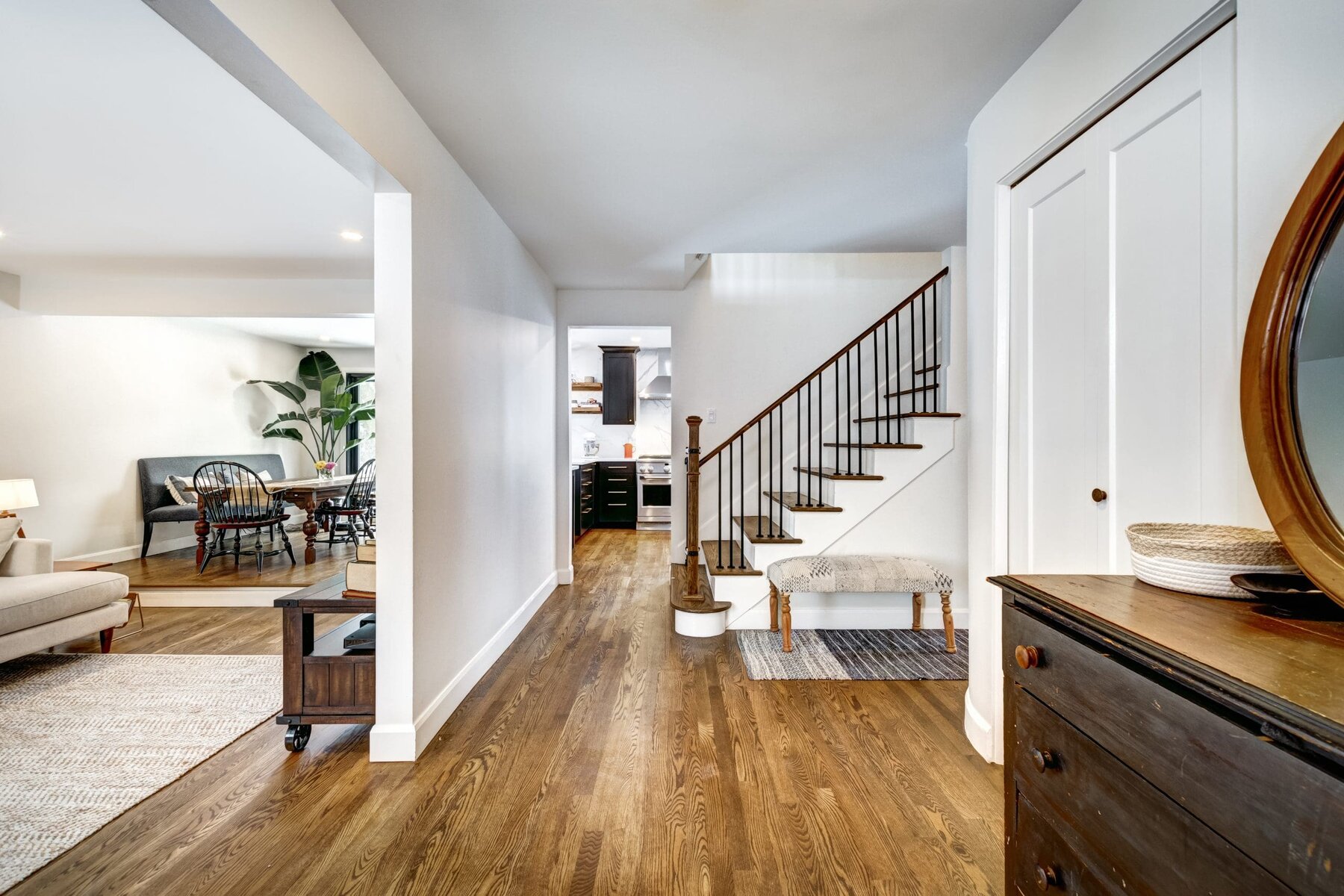
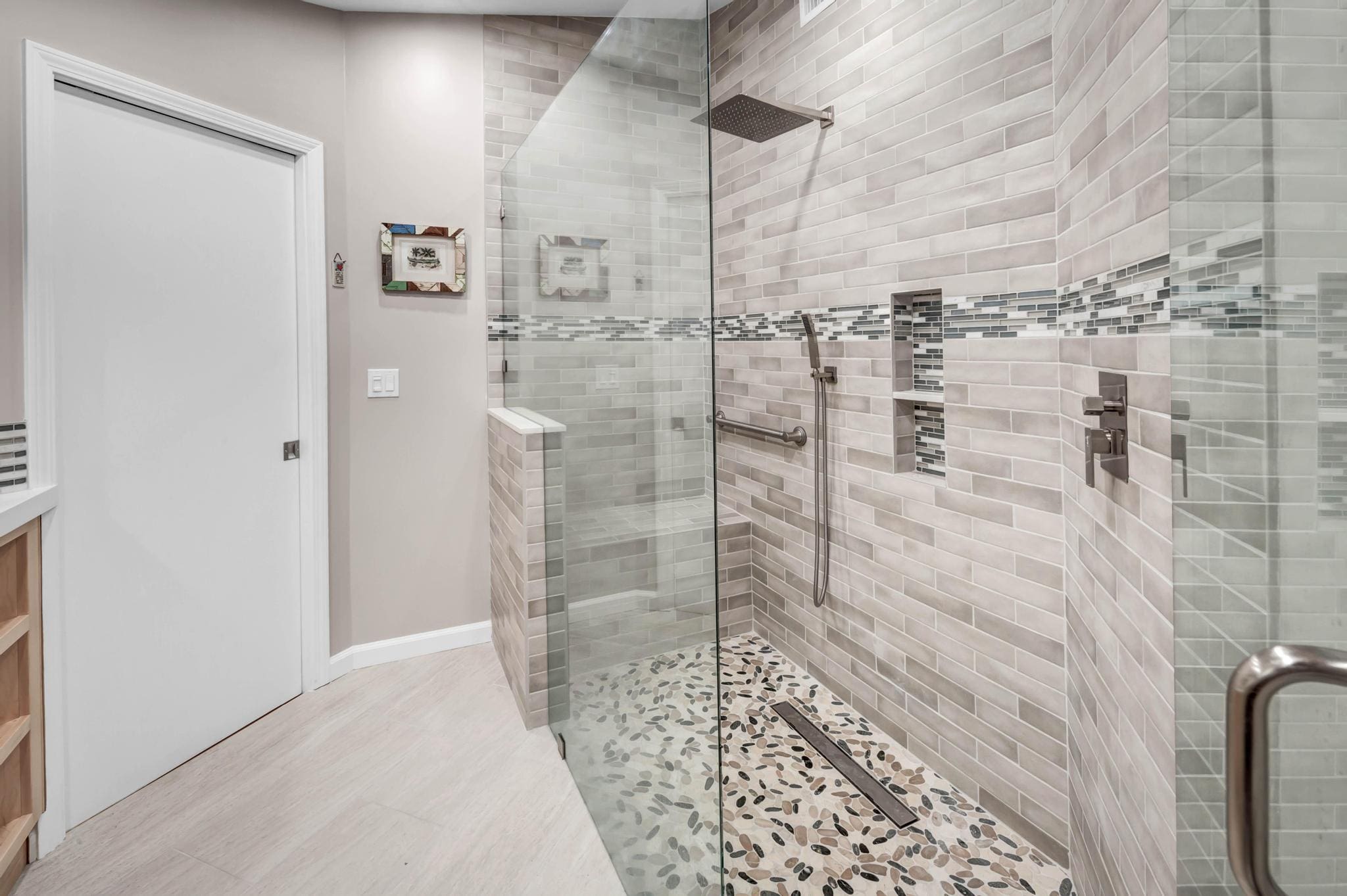
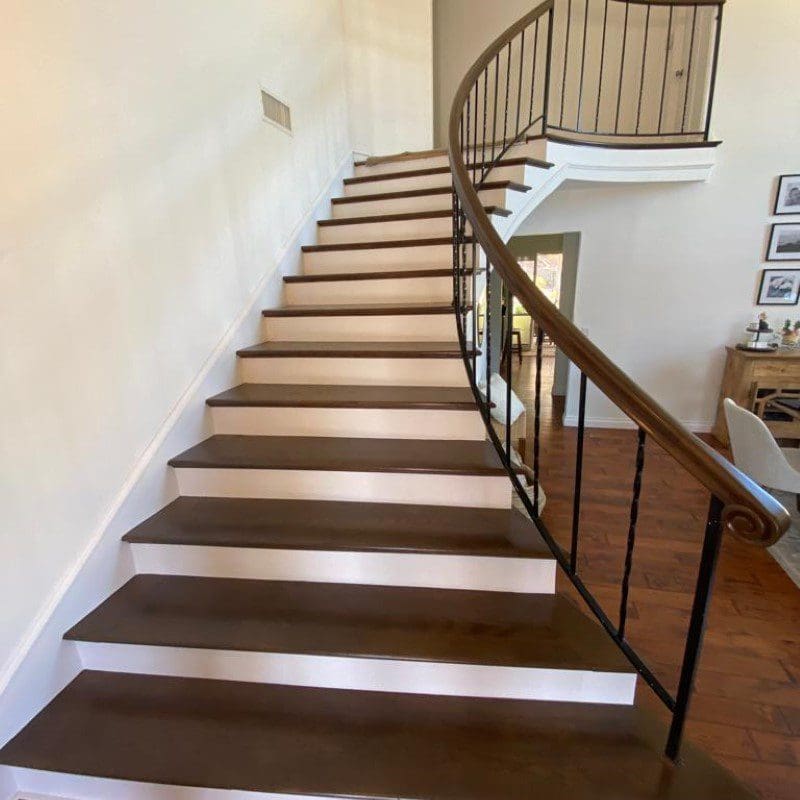
Ever stare at your house and feel a deep, profound sense of “meh”? We get it. One day you’re loving your San Diego home, and the next, you’re side-eyeing that cramped kitchen or dreaming of a bathroom that doesn’t feel like a time capsule from 1992. The thought of a home remodel is equal parts thrilling and terrifying, right? Where do you even start? Do you call the nearest handyman, search for “general contractor near me,” or just quietly hope for a design fairy godmother?
Well, take a breath. We’ve been navigating these waters in San Diego for years at Golden Shore Design and Build, and we’re here to have a real talk about turning that “meh” into “wow.” Let’s ditch the overwhelm and break this down like friends over coffee.
The Great San Diego Renovation Dilemma: Dream vs. Reality
We all have the dream. Pinterest boards bursting with ideas, Instagram saves of stunning room additions and sleek ADUs (Accessory Dwelling Units, for the uninitiated—think guest house or killer rental opportunity). The reality, however, often involves a tangled web of decisions, permits, and that ever-present question: “What will this actually cost?”
The first, and arguably most important, step isn’t picking paint colors. It’s understanding your why. Are we creating a forever-home sanctuary? Prepping to sell? Or just desperately needing a functional space that doesn’t make us want to scream on a Tuesday morning? Getting crystal clear on this shapes every decision that follows, from budget to timeline.
Picking Your Player: The Contractor Conundrum
This is where many folks freeze. The search for a “remodeling contractor” or “general contractor” in San Diego can feel like online dating—lots of profiles, but who’s the real deal? You’ll see everything from the giant luxury home builders to the one-person handyman operation.
Here’s our IMO (see, we’re keeping it casual): for anything beyond a minor fix, you need a team that sees the whole picture. A true partner. A company that handles home design, 3D design (a game-changer for visualizing your space, trust us), and the actual building under one roof. This isn’t just about finding the closest contractor; it’s about finding the right fit. Why? Because when design and construction teams actually talk to each other, miracles happen (and by miracles, we mean your project finishes on time and budget).
FYI, this integrated approach is exactly why families across San Diego choose to work with us at Golden Shore Design and Build. We manage the entire symphony, so you don’t have to play conductor between a dozen different soloists.
Budget Talk: Let’s Get Real About The “C” Word
Alright, let’s address the elephant in the room: price. We’re not going to give you vague square-footage estimates here because, frankly, they’re useless. The cost of your home remodel depends on a galaxy of factors: the quality of materials, the scope of work, the current state of your residential plumbing and electrical, and even which part of San Diego you call home.
Instead of worrying about a number you found on a random forum, let’s talk about value. Think of your budget as a roadmap. A remodeling company worth its salt will help you allocate funds where they matter most. Want a show-stopping kitchen but need to save in the bathroom? A good team will strategize with you. It’s about smart choices, not just cheap ones.
To give you a frame of reference, here’s a basic breakdown of common project scopes and what they typically involve:
| Project Type | What It Usually Encompasses | Good to Know |
|---|---|---|
| Kitchen Remodel | Cabinetry, countertops, appliances, flooring, lighting, plumbing fixtures. Often involves layout changes. | The heart of the home. 3D design is crucial here to avoid costly layout mistakes. |
| Bathroom Renovation | Vanity, tile, shower/bath, toilet, lighting, ventilation. Can be a complex puzzle in a small space. | Waterproofing is everything. Don’t cut corners here, or you’ll pay later. |
| Room Addition | Adding entirely new square footage: foundation, framing, roofing, tying into existing home systems. | Major structural work. Permitting is key. This is where a seasoned general contractor is non-negotiable. |
| ADU Construction | A fully self-contained living unit with its own kitchen, bath, bedroom, and entrance. | Huge for property value and rental income. San Diego has specific zoning rules—expert guidance is a must. |
| Whole House Remodel | A comprehensive overhaul of multiple areas, often involving structural changes, system updates, and new design throughout. | Essentially home building within an existing shell. Requires meticulous phased planning. |
The Golden Shore Blueprint: Why Process is Your Best Friend
So, you’ve found a team you vibe with. What next? The process can seem like a black box, but it shouldn’t be. At our core, we believe a transparent, staged process is what separates a stressful nightmare from an exciting journey.
Phase 1: Discovery & Design
This is where we get obsessed with your life. How do you live? Entertain? Work? We translate that into a home design that functions beautifully. We then use 3D design software to build your project virtually. You get to “walk through” your new space before we swing a single hammer. It saves about a million headaches.
Phase 2: The Nitty-Gritty Details
Now we solidify everything. Selections, schedules, and a detailed, fixed price. No mystery, no “surprises” later. This is the contract phase, and clarity is king.
Phase 3: Build It!
Here’s where your general contractor and crew become your nearby heroes. Communication is daily, the site is managed professionally, and we handle all the inspections and supplier hiccups (they happen to everyone, even the best luxury home builders).
Phase 4: The Big Reveal
Our favorite part. Handing over the keys to a space that’s not just new, but truly yours. It never gets old.
Your Burning Questions, Answered
Let’s tackle a few questions we hear all the time.
1. “How long will my renovation actually take?”
Honestly? Longer than HGTV makes it look 🙂 But a good team gives you a realistic timeline upfront and sticks to it like glue. A bathroom might be 4-6 weeks. A kitchen or room addition, 8-12 weeks. A whole house renovation is a marathon, not a sprint. The key is constant communication—if a delay pops up, you should hear about it immediately.
2. “Should I just move instead of remodel?”
The million-dollar question! Financially, it often makes more sense to love the home you’re in, especially in a market like San Diego. Moving comes with huge transaction costs, and you might still want to change the new place. Remodeling lets you create your perfect home in a location you already love. Plus, you get to stay in your community—no searching for the nearest new grocery store.
3. “How do I prepare for the chaos of living in a construction zone?”
Plan for a little adventure. For a kitchen remodel, set up a temporary kitchenette elsewhere. For a whole house project, consider a short-term rental. Your sanity is worth it. A great contractor will help you plan for this, sealing off work areas and keeping the dust to a minimum. It’s temporary chaos for a permanent upgrade.
Wrapping This Home Renovation Chat Up
Look, transforming your home is a big deal. It’s an investment of your time, your money, and your peace of mind. But when you do it with the right partner—a team that listens, plans like generals, and executes with care—it can be one of the most rewarding experiences.
It’s not about finding the closest option; it’s about finding the right one. It’s about choosing a remodeling company that sees your vision and has the skill to build it. If you’re in San Diego and dreaming of a new kitchen, a spa-like bathroom, a lucrative ADU, or a full home transformation, we’d love to chat. At Golden Shore Design and Build, we’re not just building houses; we’re building the spaces where your life happens. Let’s make your “meh” a distant memory. What do you say? Ready to turn that dream board into your address?