Is your bathroom the only outdated part of your home? Well, it is time to give it a much-needed facelift!
It is entirely up to you whether to remodel the entire bathroom or just modify a portion of it. Either way, remodeling the bathroom is not as easy as it looks.
It is one of the most complicated areas of your house to remodel, as you need to consider the existing plumbing and functionality of every part of the space.
If you already know what you want to achieve but don’t know where or how to begin, these bathroom ideas can help kick-start your bathroom remodeling project.
Table of Contents
1. Determine If The Project Is A Complete DIY Or Not
Sure, you are motivated and excited to remodel your bathroom, but do you have the skills necessary for the tasks? Make a list of those assignments you will undertake, and make another list for the professionals to handle.
If you tap the skills and expertise of a San Diego contractor, ensure they are properly licensed. Word of advice, don’t hesitate to bring in skilled labor. Yes, DIYs can trim your costs, but it is best to leave the complicated processes to the pros.
2. Secure Your Permits
In San Diego, you must secure a permit to remodel your bathroom, mainly if it entails alterations or repairs on your plumbing systems. Even general construction work requires a permit. When it comes to bathrooms, there is a high chance of shifts and modifications in your plumbing, electrical, and mechanical systems.
Applying for these permits before starting your project is practical to avoid any delays. You can complete the application and approval process online for added convenience.
3. Create Your Floor Plan
Now that you’ve thought of every last detail of your proposed bathroom’s design, it is time to create a floor plan and put it on paper.
Your floor plan is significantly dependent on your current layout. Your water supply, plumbing, and drainage are likely centralized in one location, making it challenging to move supposedly permanent fixtures like the toilet and tub.
This is where you identify how far the remodeling will go. Your bathroom floor plan will also give you a good idea of the bathroom remodeling cost and the time it will take to complete.
4. Tap A Professional General Contractor/Management Company
Unless you are a professional plumber or electrician, you will need to get the services of experts. Your bathroom’s plumbing and electrical systems are the heart of the space.
You want your remodeled bathroom not just to be aesthetically improved but also to boast updated wiring systems and plumbing.
5. Set Up The Bathtub Or Shower
One of the most extensive tasks when remodeling your bathroom will be the bathtub, shower, or both.
Installing a prefabricated tub or shower will typically require several days. Keep this in mind so that you can work on other remodeling details while waiting for this to be completed.
Part of creating your floor plan is the possible involvement of tile work, which adds more days to the installation because of the multiple curing stages of the tiles.
6. Decide On Your Bathroom Flooring
The bathroom floor brings your newly renovated bathroom’s overall look together. The good news is that you now have more options than ceramic or porcelain tiles, as the market also offers natural stone, vinyl tiles, vinyl flooring, and sheet vinyl.
These are all water resistance flooring, and most are textured already to minimize the risk of slipping and other bathroom accidents. If you want to gear away from tiles—the bulk of your expenses—consider peel-and-stick tiles, engineered wood, and laminated flooring,
7. Paint Your Bathroom Walls
While waiting for the tiles to cure or for the tub and shower to settle, start painting the exposed walls so everything can start coming together. Your choice of paint can significantly change the ambiance of your bathroom, so ensure you choose your colors well.
Paints used in bathrooms are usually semi-gloss or satin, creating a sound barrier against moisture. If you don’t want to paint your walls, other options will be to use acrylic panels and fiberglass.
8. Make Your Counters And Sink Reliable And Fully Functional
Most of your bathroom activities usually happen around your counter and sink, so it pays to look into these details carefully and allocate an extra budget for this space.
Go for premium countertops made from natural stone and quartz-engineered stone on solid surfaces. Then, under your countertop, make room for cabinets for storage. Consider a pedestal sink instead of your vanity cabinet if you are working with limited space.
9. Always Have Room For Extra Storage/Vanity
In most bathrooms, storage is the primary challenge. More storage should be one of your goals when remodeling your bathroom.
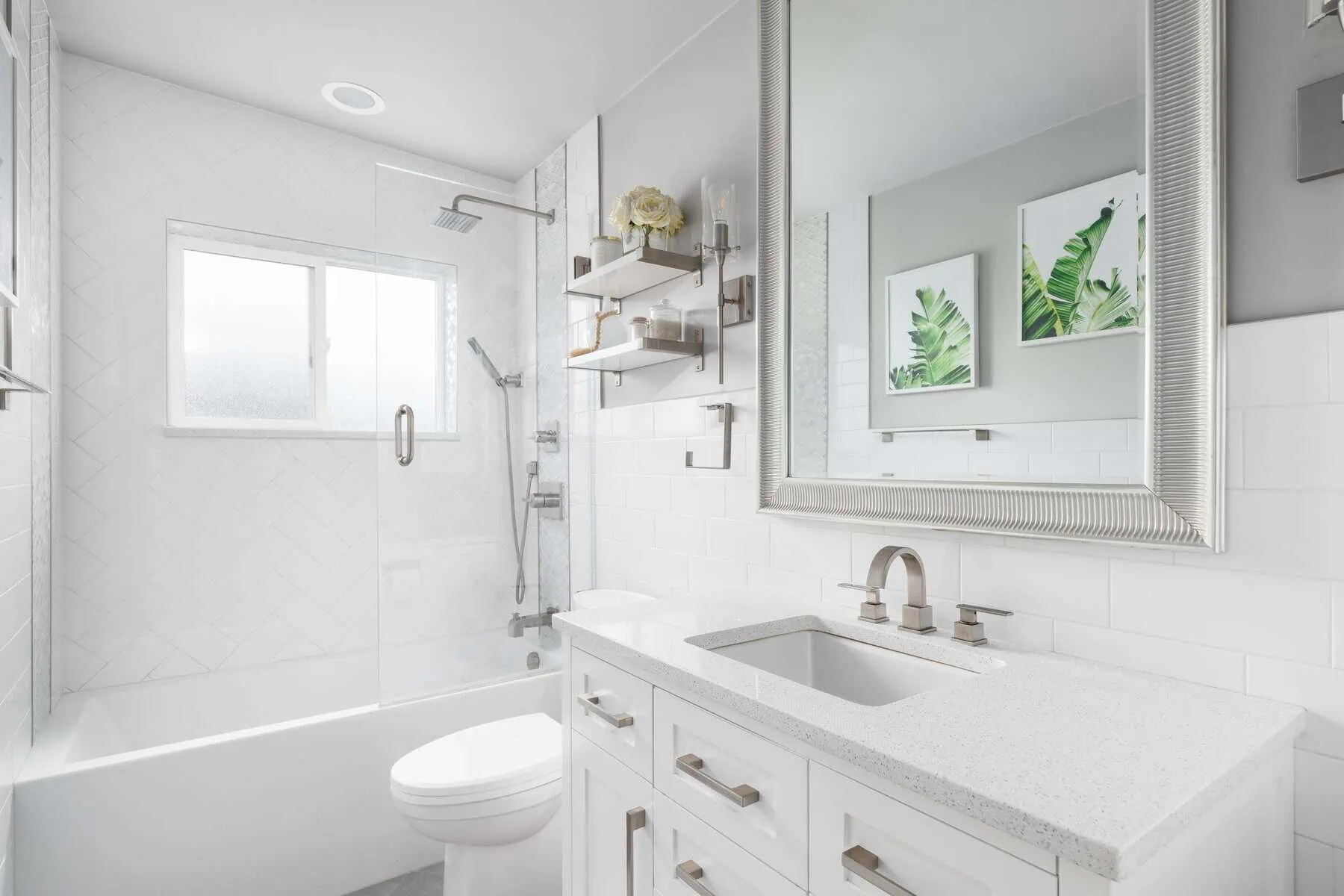
One way to add extra storage is to create built-in shower niches with enough space to accommodate your shower products. Additionally, transform the space under the sink into cabinets with doors or curtain rods so that you can store (and hide) your bathroom supplies without ruining the overall look of your space.
Floating shelves, mirrored cabinets, and built-in linen closets are functional space savers that add style to your bathroom. Adding baskets at the corners that double as towel or tissue holders is also an option.
10. Choose Your Finishing Materials
Remodeling your bathroom would always entail adding something new to your space. Most often, homeowners want to switch from a standing vanity unit to a semi-floating one. Other common finishing accessories added to a newly remodeled bathroom are new light fixtures, tile showers, and bigger mirrors.
11. Never Rush The Process
If you can, you’ll want your bathroom remodeling to be over and done within 24 hours, but always set a reasonable timeline for this project. Poor planning usually ends with repeat work and cost overruns, which you don’t want.
Take the time to look into all the supplies while getting expert recommendations from your team. Identify the current fixtures you can retain to save on costs and know when to spend.
12. Better Shower Doors
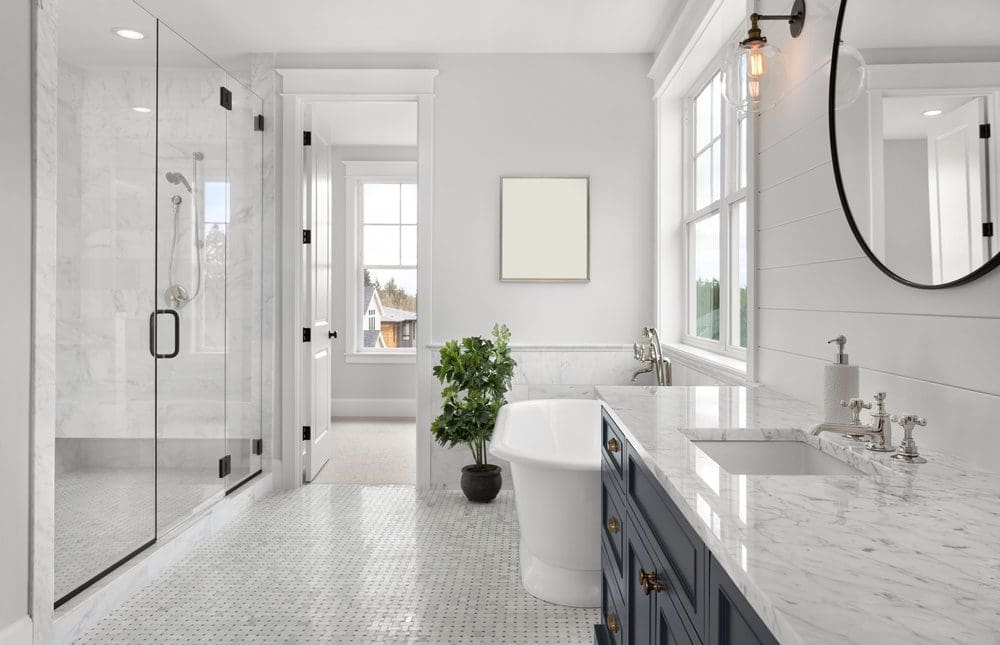
Invest in new shower doors to complete your bathroom remodeling. The good news is there are ready-made shower doors in cool designs that follow standard measurements. Or you can also opt to have one made for your shower, especially if the size and shape is unique.
Shower doors can make your whole bathroom aesthetics come together, so make sure that you treat yourself and your bathroom with a new set.
Final Thoughts
Bathroom remodels can bring out your prudence, practicality, and creativity. You don’t need to change every single item in your existing bathroom. With good planning, wise spending, and a team of skilled people, you can create an entirely new space with your new and old fixtures combined.
Related Articles
Expert Answers To Your Top Home Renovation Questions
Smart Home Upgrades That Deliver Real Value
San Diego Whole Home Remodel Timeline: A Month-by-Month Guide From Pre-Design To Final Walkthrough
Rethinking The Double Sink Vanity In Your Remodel
San Diego Beach House Renovation Guide: Salt-Air Durability, Moisture Control & Storm-Resistant Design
People Also Ask
When renovating a bathroom, the first and most critical step is to establish a clear plan and budget. This includes measuring the space, defining your layout, and selecting all materials and fixtures before demolition begins. After planning, the actual work should start with rough-in plumbing and electrical work, as these systems are behind the walls. Following that, you address waterproofing for the shower or tub area, then install drywall and flooring. For homeowners in coastal areas like San Diego, moisture control is especially vital. For expert guidance on handling humidity and salt-air conditions, our internal article San Diego Beach House Renovation Guide: Salt-Air Durability, Moisture Control & Storm-Resistant Design offers specific strategies. Golden Shore Design and Build always recommends starting with a comprehensive plan to avoid costly mid-project changes.