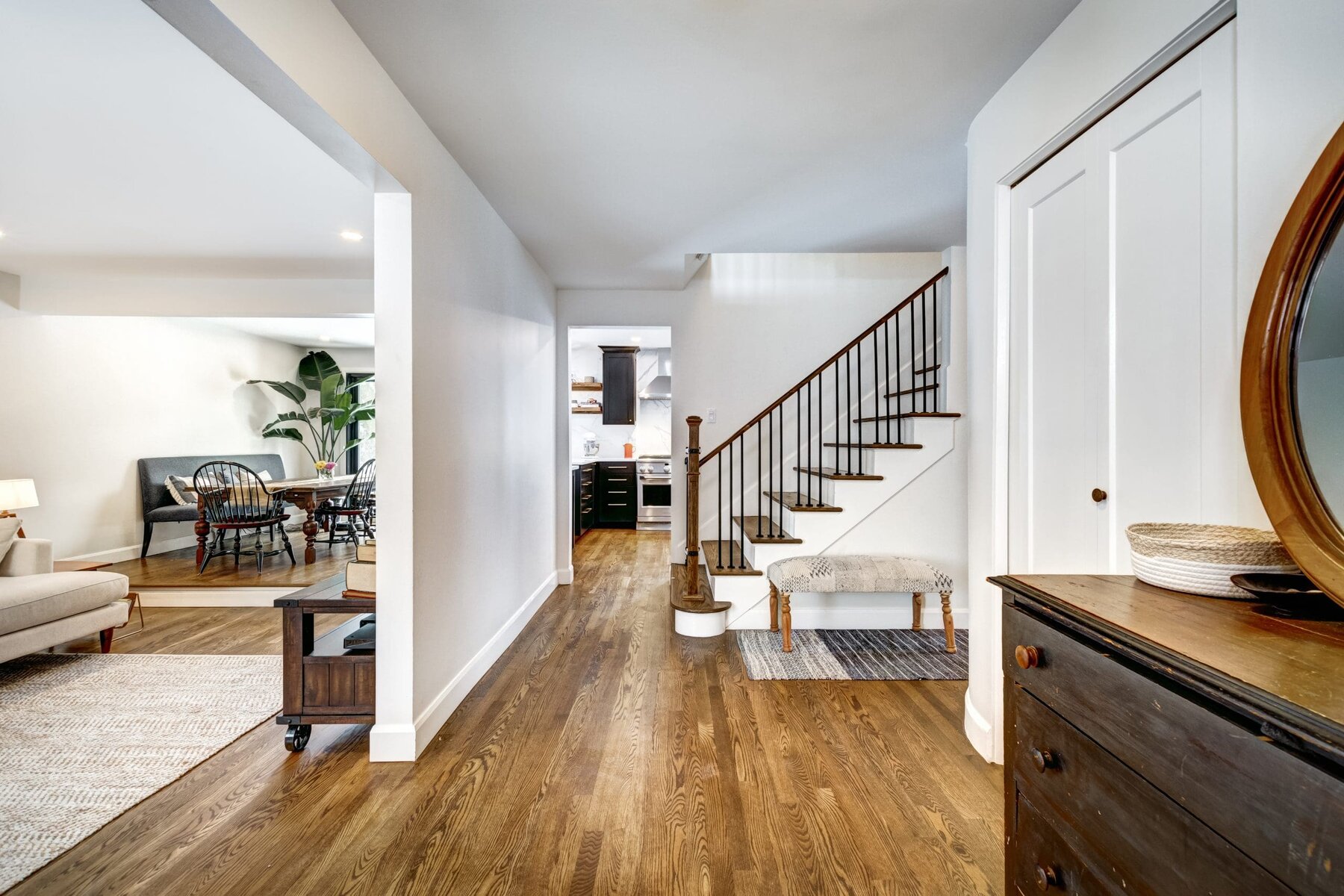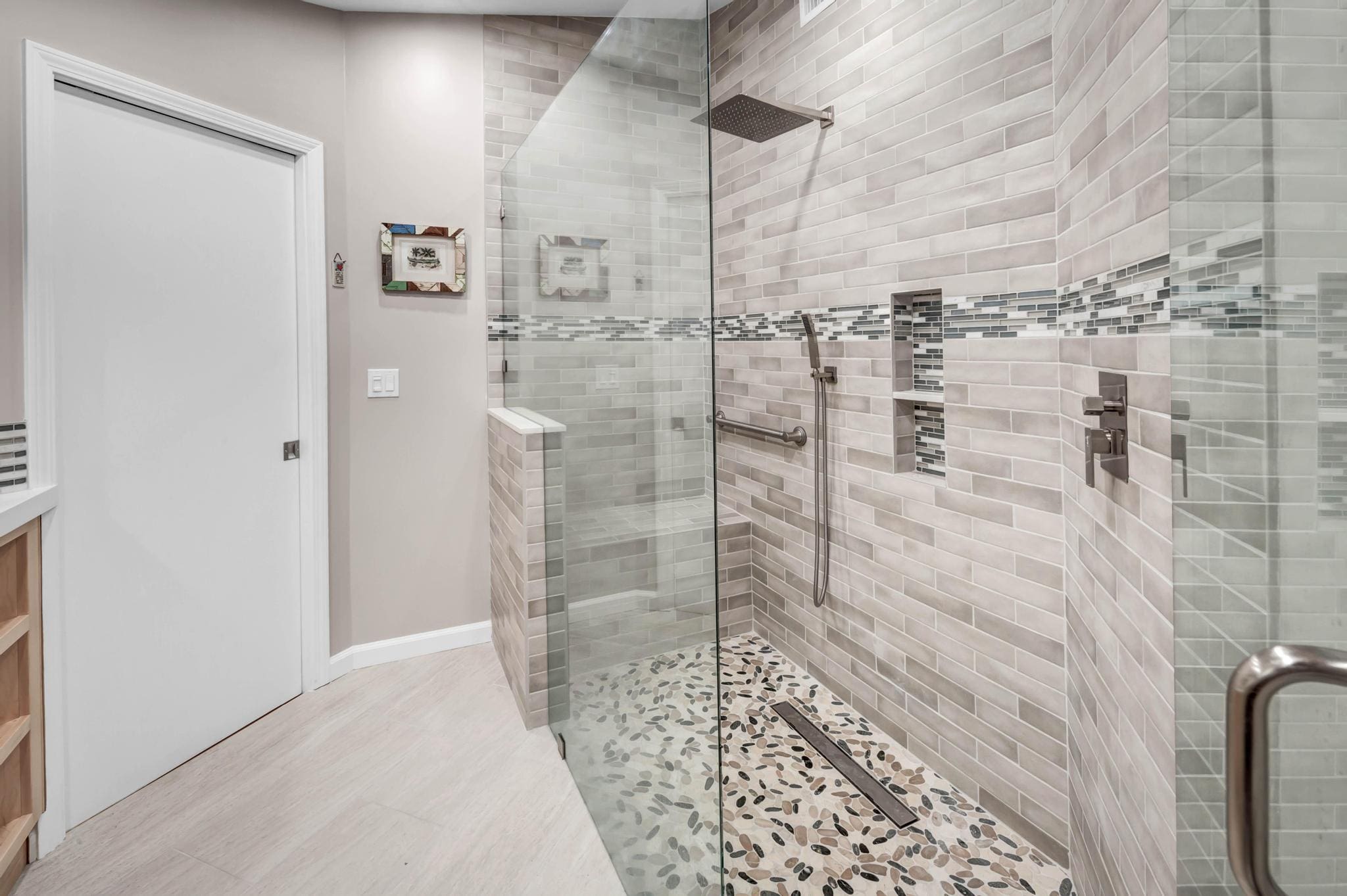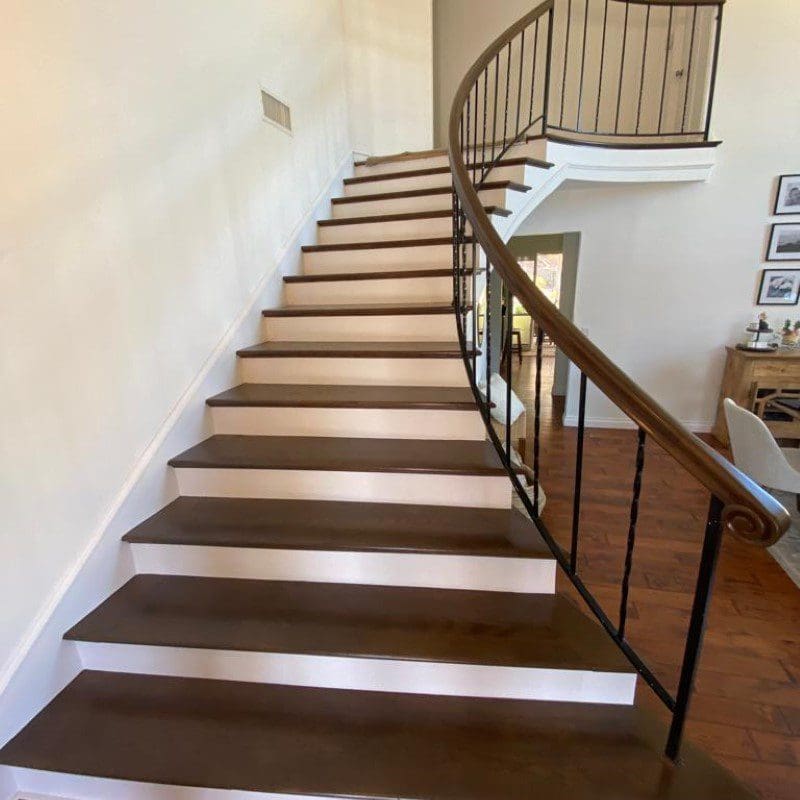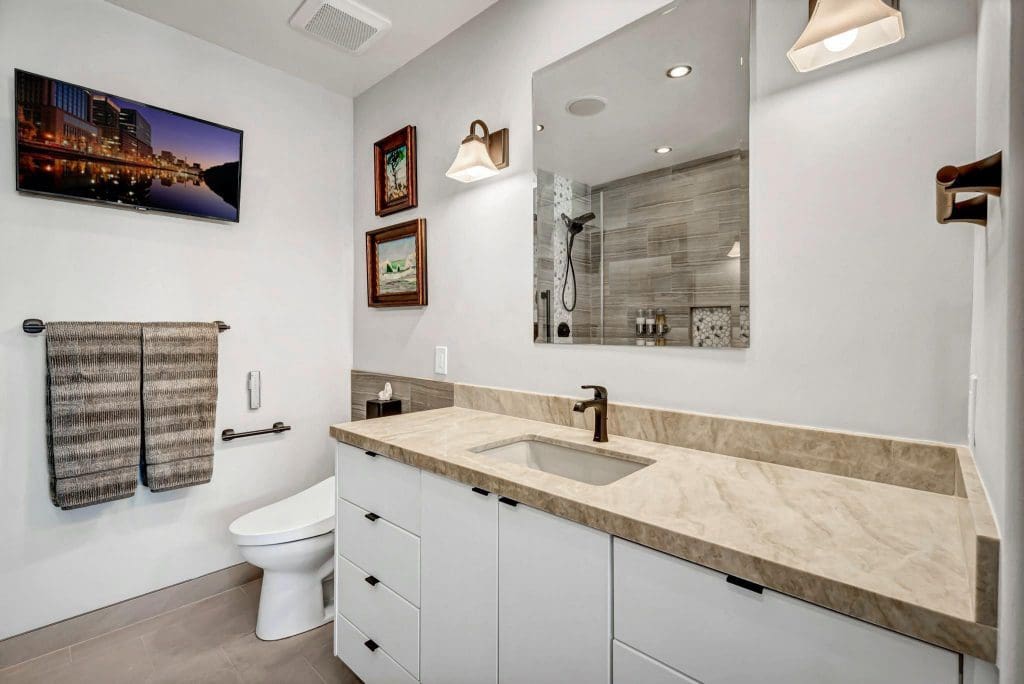
Let’s be honest, we’ve all fallen down the rabbit hole of home renovation inspiration. One minute we’re casually looking at a new kitchen backsplash, the next we’re deep in a forum debating the merits of heated bathroom floors at 2 AM. It’s a thrilling ride, but when the dream starts to bump into reality—budgets, permits, finding the right team—the excitement can quickly turn into overwhelm. We get it, because we’ve been there, not just as homeowners but as the folks who help guide people through this process every single day.
That’s the messy, beautiful journey of a home remodel or home building project here in San Diego. Whether it’s a kitchen update to finally get that island you’ve been dreaming of, a bathroom transformation into a spa-like retreat, or a full whole house renovation, the path from vision to keys-in-hand is a big one. And the single most important decision you’ll make? Choosing the right general contractor or remodeling company. It’s the difference between a smooth, collaborative adventure and a… well, let’s just call it a character-building experience.
Why Your General Contractor is Your Project’s MVP
Think of your general contractor as the conductor of a very complex, very expensive orchestra. The plumber, electrician, carpenter, and tile setter are all brilliant musicians, but without a conductor, you just get noise. A great GC doesn’t just swing a hammer; they manage the entire symphony of your project.
They handle the unsexy but critical stuff: pulling permits, scheduling subcontractors so the electrician isn’t waiting for the framer, sourcing materials, and ensuring everything meets code. They’re your translator, your buffer, and your project’s quarterback. IMO, trying to manage a significant room addition or ADU build yourself to save on the GC’s cost is like performing your own dentistry to save on a dental bill. Technically possible? Maybe. A good idea? Almost never.
The Golden Shore Design and Build Difference: More Than Just Building
Okay, let’s talk about us for a second. As a remodeling contractor based right here in San Diego, Golden Shore Design and Build operates on a simple principle: great residential construction is born from great collaboration. We’ve seen projects go sideways when the design team and the build team are in separate silos. That’s why we champion a fully integrated process.
From the very first home design sketches to the final walk-through, our designers and builders are in constant communication. This means the beautiful 3D design we show you isn’t just a pretty picture; it’s a buildable plan that our construction team has already vetted for practicality and price. It prevents those heartbreaking moments where you fall in love with a design only to find out it will blow your budget or violate a code. We bake reality into the dream from day one, which saves a ton of headaches (and change orders) down the line.
Navigating the “How Much?” Question: Budgeting with Clarity
Let’s address the elephant in the room: price. It’s the question everyone asks, and frankly, it’s the hardest to answer in a blog post. “What does a kitchen remodel cost in San Diego?” Well, that’s like asking, “What does a car cost?” Are we talking a reliable sedan or a custom luxury vehicle?
The cost hinges on a million factors: the quality of materials (that quartz countertop vs. marble), the scope of work (are we moving plumbing walls?), and the level of finish. Instead of vague guesses, we believe in transparent, detailed proposals. A quality remodeling company won’t give you a mysterious lump sum. They’ll break it down. To give you a general frame of reference, here’s a rough look at common project types in our market:
| Project Type | Typical Scope | Key Cost Drivers & Considerations |
|---|---|---|
| Mid-Range Kitchen Remodel | New cabinets, countertops, appliances, flooring, lighting. Layout may stay similar. | Cabinet quality/appliance grade are the big swings. Permits are usually straightforward. |
| Primary Bathroom Renovation | New walk-in shower, dual vanity, flooring, toilet, lighting, and potentially moving plumbing. | Tile selection, custom shower systems, and electrical/plumbing labor intensity. |
| ADU (Accessory Dwelling Unit) | New, detached 500-1,200 sq ft structure with full kitchen, bath, living, and sleeping areas. | San Diego has specific zoning/permitting. Foundations, new utilities, and finishes add up. A huge ROI play. |
| Whole House Remodel | Updating multiple rooms, potentially including structural changes, new systems (HVAC, electrical). | The scale means efficiency in scheduling. Phasing is key to livability. Major impact on home value. |
| Luxury Home Builders Focus | High-end custom home building or major renovation with premium materials and smart home tech. | Architectural details, imported materials, advanced home systems, and extensive project management. |
The best advice we can give? Get detailed bids from a few nearby contractors. Compare the line items, not just the bottom line. And remember, the closest bid to your Pinterest board isn’t always the most realistic. FYI.
The Magic of Seeing It Before You Build It: 3D Design
Ever wonder why your finished room sometimes feels… off, even though it matches the plan? Traditional blueprints are great for builders, but they’re a language most of us don’t speak fluently. That’s where 3D design becomes a game-changer.
We use it on every project, from a simple bathroom refresh to a complex room addition. It allows you to take a virtual walkthrough of your new space. You can see how the light falls at different times of day, if the island feels too big, or if the bathroom layout flows. It turns abstract lines on paper into a tangible experience. This step alone has saved more client-contractor relationships than we can count—no more “I thought it would feel different!” moments. It aligns our vision with yours perfectly before a single wall comes down.
Your San Diego-Specific Remodeling Playbook
Building in San Diego isn’t like building anywhere else. We have unique soils, coastal codes, specific zoning for ADUs, and a climate that begs for indoor-outdoor living. A great local contractor knows this ecosystem.
They know which permits are tricky in which neighborhoods, how to design for our light, and how to recommend materials that stand up to our environment. When you’re looking for the nearest or nearby expert, their deep San Diego experience should be a top criteria. It’s why a team like ours at Golden Shore Design and Build is so embedded in the community; we’re not just working here, we’re building for the way we live here.
Let’s Tackle Your Burning Questions
We hear the same smart questions all the time. Here are a few of the big ones:
1. How long will my remodel actually take?
Honestly? Almost always longer than you hope, but a good contractor will give you a detailed timeline and communicate proactively about any hiccups. A kitchen might take 8-12 weeks, a primary bath 6-8, and a full home remodel several months. The key is transparency—we’d rather under-promise and over-deliver.
2. Should I get an ADU?
If your property and zoning allow it, an ADU is one of the smartest investments you can make in San Diego. It creates rental income, housing for family, and significantly boosts your property value. The process is permit-heavy, but working with a team experienced in local ADU rules is crucial. It’s a project where you really, really don’t want to cut corners.
3. How do I prepare for living through a renovation?
Set up a temporary kitchen (microwave, coffee maker, mini-fridge). Seal off the construction zone with plastic sheeting to contain dust. And most importantly, cultivate patience and a sense of humor. It will be dusty, noisy, and disruptive. But with a clear plan and a great team, it’s a temporary chaos for a long-term gain.
So, where do we go from here? If you’re feeling inspired but also a bit daunted, that’s completely normal. This is a big deal! The best next step is to start having real conversations. Look at portfolios, read reviews, and talk to a few remodeling contractors whose work and philosophy resonate with you.
If you’re in the San Diego area and want to explore what’s possible with a team that handles the design and the build under one roof, give us a shout at Golden Shore Design and Build. Let’s grab a coffee, look at your space, and start turning those 2 AM Pinterest dreams into a beautiful, buildable reality you can actually live in. After all, your home should be your favorite place to be. Let’s build it that way 🙂