Let’s be honest for a second. We’ve all fallen down the rabbit hole of home renovation inspiration, haven’t we? One minute we’re casually looking at faucet finishes, the next we’re debating the merits of heated bathroom floors at 2 AM. The dream is vivid: that flawless kitchen for family gatherings, the serene bathroom oasis, or that brilliant ADU for guests or rental income. But then reality hits. How do we get from our Pinterest board to a finished space without losing our minds, our savings, or both? That’s the journey we’re unpacking today.
We’re going to walk through the real deal of transforming your San Diego home, from that first spark of an idea to the final walkthrough. And because we’re a local remodeling company ourselves, we’ll share some insider perspective on what actually makes a home remodel not just good, but great.
The Blueprint Phase: More Than Just Pretty Pictures
Before a single wall comes down, the most critical work happens. This is where dreams get a dose of practicality.
Why a Solid Plan is Your Best Friend
Ever tried assembling furniture without looking at the instructions? A whole house renovation or even a room addition without a comprehensive plan is like that, but a thousand times worse and way more expensive. A proper plan aligns your vision, your budget, and the physical realities of your residential property.
For us at Golden Shore Design and Build, this phase is sacred. It’s where our home design and 3D design capabilities really shine. We don’t just show you lines on paper; we build a virtual model of your future space. You can literally “walk through” your new kitchen before we order a single cabinet. It’s a game-changer for avoiding those “I thought it would look different” conversations later.
Choosing Your Guide: The General Contractor Conundrum
This is the big one. The difference between a smooth project and a nightmare often comes down to your general contractor. You’ll see a wild range in price and promises. IMO, your choice shouldn’t just be about the nearest contractor or the lowest cost.
You want a partner. Ask the hard questions:
- What is your communication process?
- Can you provide references for a project near the scale of mine?
- How do you handle unforeseen issues (because they will happen)?
- What does your team look like? Are they employees or day laborers?
We built Golden Shore Design and Build in San Diego on the principle of being that true partner. We’re not just luxury home builders; we’re your remodeling contractor for projects big and small, because trust is built on clarity, not just price tags.
The Nitty-Gritty: What Actually Happens During Construction
Okay, the plan is set, the team is hired. Let the dust fly! Here’s a peek behind the curtain.
The Symphony of Chaos (It’s Organized, We Promise)
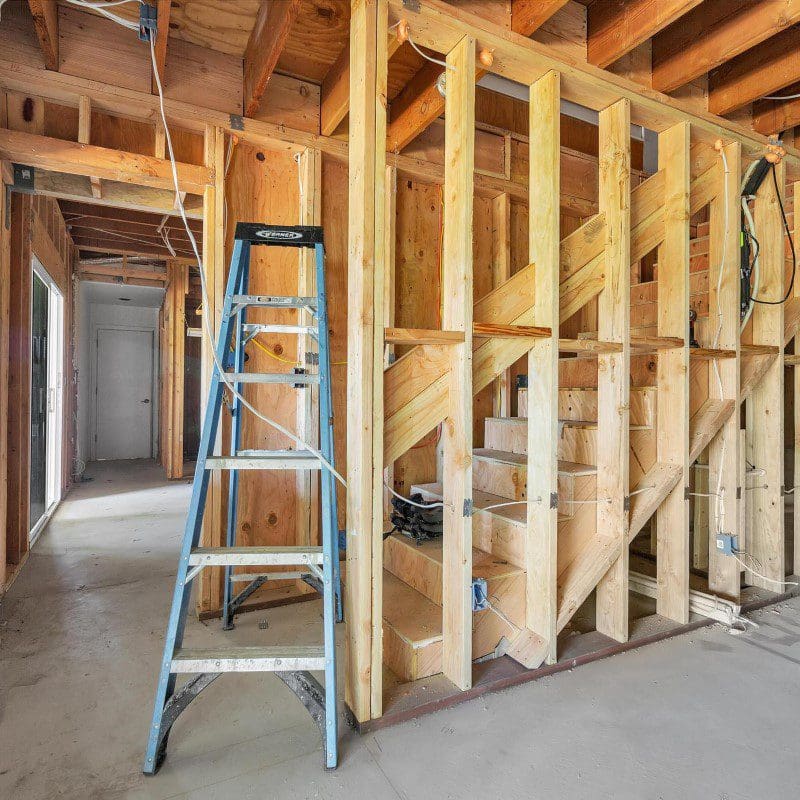
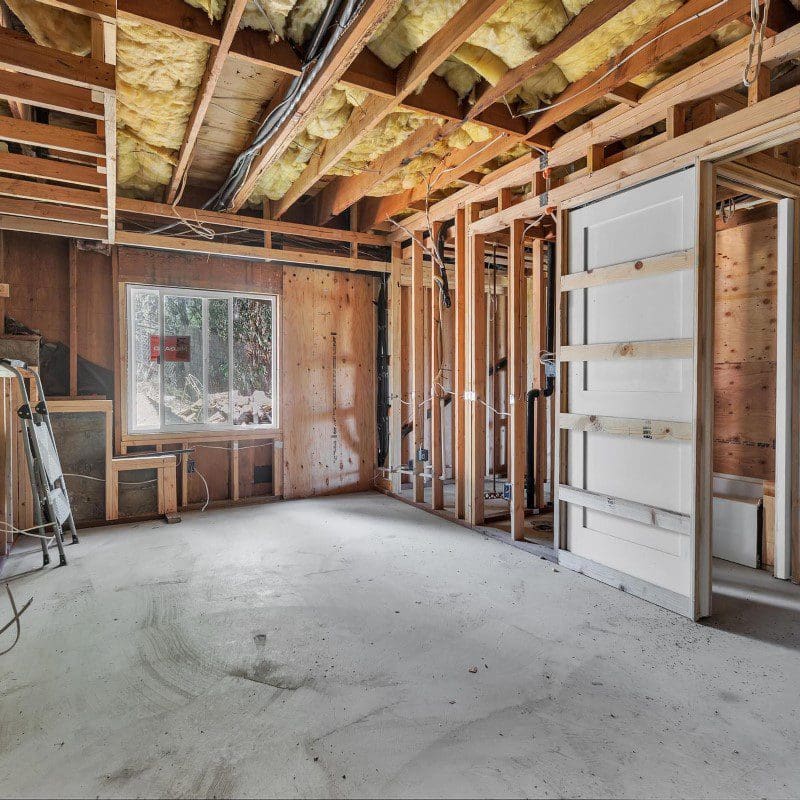
A well-run site operates like a meticulous, if noisy, symphony. Demolition, framing, rough-ins—each trade needs to hit its cue. A huge part of our job is sequencing. We don’t want the tile guy waiting for the plumber, and we definitely don’t want the electrician cutting into finished drywall. This logistical dance is where an experienced remodeling contractor earns their keep.
Budget Talks: Keeping the “Cost” Conversation Open
FYI, the term “unforeseen conditions” is the star of every renovation horror story. A pipe behind a wall, outdated wiring, you name it. The key isn’t to avoid surprises (impossible), but to manage them. A transparent general contractor will have a clear change order process. No mystery fees, just a straightforward discussion about the new cost and options before proceeding.
A Quick Comparison: DIY vs. Pro for Common Projects
| Project Type | The DIY Appeal (We Get It!) | The Professional Reality (We Live It!) |
|---|---|---|
| Bathroom Vanity Swap | Seems simple: disconnect, reconnect. | Involves plumbing, potentially electrical for lighting, sealing, and ensuring no hidden water damage exists. |
| Kitchen Backsplash | A weekend project with pretty tile. | Requires precise cutting, waterproofing, electrical outlet adjustments, and dealing with uneven walls. |
| ADU Foundation | Pouring concrete looks straightforward. | Requires engineering, permits, precise grading, and inspections before you even think about walls. |
See the pattern? What starts as a simple task often touches multiple, complex systems. Knowing when to call a pro saves money, time, and your sanity in the long run.
Special Considerations for Us San Diego Folks
Building in America’s Finest City is a privilege, but it comes with its own playlist.
The ADU Opportunity (It’s Huge Right Now)
If you haven’t thought about an ADU (Accessory Dwelling Unit), you’re leaving value on the table. Whether it’s for family, rental income, or a killer home office, San Diego is encouraging them. But the rules—setbacks, utility connections, parking—are specific. Navigating the permit process with the city is… an adventure. It’s one of our specialties at Golden Shore Design and Build. We handle the red tape so you can focus on planning the decor for your new space.
Blending Indoor & Outdoor Living
This isn’t just a trend here; it’s a lifestyle. A successful renovation or home building project in San Diego often considers the flow to the yard, patio, or deck. It might mean larger doors, complementary flooring, or extending your roofline. It’s about making your entire property feel cohesive.
Finding the Right Local Partners
Where you source materials matters. We have fantastic suppliers nearby, and using them supports our local economy and often gets materials to the site faster than a big-box store. We’re lucky to have great relationships with the closest tile showrooms, lumber yards, and specialty vendors that serve San Diego’s unique style, from coastal casual to modern urban.
Wrapping It Up: The Final Punch List & Enjoying Your Space
The cabinets are in, the paint is dry. We’re in the home stretch!
The punch list is that final walkthrough where we note every tiny item that needs adjustment—a door that doesn’t latch perfectly, a paint touch-up, a grout line that needs attention. A meticulous remodeling company won’t rush this. They’ll want you to be 100% thrilled. After all, we’re not just contractors; we’re your nearest neighbors. We’ll see you at the grocery store, so we want you to be happy 🙂
Then, the best part: handing over the keys. Well, you already had them, but you get the idea. It’s the moment your home remodel vision becomes your daily reality. That’s the whole point, right?
Your Burning Questions, Answered
We hear these all the time, so let’s tackle them head-on.
1. How long will my project actually take?
Honestly? Longer than the best-case scenario you’re hoping for. A bathroom might be 6-8 weeks. A full kitchen renovation or ADU build can take 4-6 months or more. The timeline depends on scope, permit speed (a variable we sadly can’t fully control), and material availability. We build a realistic schedule upfront and communicate constantly if anything shifts.
2. How do I set a realistic budget?
First, get clear on your wants vs. needs. Then, talk to a professional general contractor early—like, right now early. Get a rough estimate based on similar projects. Remember to allocate 10-20% of your total cost for the “unforeseen.” Any contractor who gives you a firm number without seeing your home or detailed plans is… let’s say, optimistic.
3. Why shouldn’t I just hire the cheapest bid?
You can. But often, the low bid reflects what’s not included: proper insurance, skilled labor, quality materials, or detailed project management. The price you pay upfront can save you from massive headaches, cost overruns, and subpar work down the line. Your home is your biggest investment. Protecting its value and your peace of mind is worth it.
So, where does this leave us? Hopefully, feeling more equipped and less overwhelmed. The path to a beautiful home remodel in San Diego is equal parts exciting vision and gritty detail. It’s about finding a team that sees both. If you’re at the stage where you’re ready to talk specifics about your kitchen, bathroom, ADU, or whole house project, give us a shout at Golden Shore Design and Build. Let’s turn that 2 AM inspiration into a space you’ll love waking up in every single day.
People Also Ask
The cost to convert a single vanity to a double typically ranges from $2,500 to $7,500 or more, depending on the scope. This is a significant plumbing and carpentry project. Key cost factors include the need to relocate plumbing lines, which may involve opening walls and floors, and the price of the new double vanity cabinet and countertop. Additional expenses cover faucets, sinks, professional labor for plumbing, electrical (if moving lighting), and potential tile or flooring repairs. For a precise estimate, a professional assessment is essential to evaluate your specific bathroom layout, material choices, and any unforeseen complications behind the walls.
The average cost of a bathroom remodel in San Diego typically ranges from $15,000 to $35,000, with significant variation based on scope and material choices. A basic cosmetic update with new fixtures, paint, and flooring may fall between $5,000 and $10,000. A standard mid-range remodel involving layout changes, mid-grade tile, and a new vanity often costs $20,000 to $30,000. High-end master bathroom renovations with custom cabinetry, premium materials, and plumbing reconfiguration can easily exceed $50,000. Key cost factors include the bathroom's size, extent of plumbing/electrical work, labor rates, and material selection. It is crucial to obtain detailed quotes from licensed contractors that account for permits, potential unforeseen structural issues, and project management.
The sufficiency of a $10,000 budget for a bathroom remodel depends heavily on the project's scope and location. For a small powder room or a modest cosmetic update in a standard bathroom, this budget can be feasible. This typically covers cost-effective materials like ceramic tile, a standard vanity, a new toilet, and fresh paint, often by completing the work in phases or as a DIY project for labor-intensive tasks. However, for a full primary bathroom renovation involving layout changes, moving plumbing, high-end finishes, or professional labor for all trades, $10,000 is generally insufficient. Industry standards suggest obtaining multiple detailed quotes, as labor often constitutes 50-60% of the total cost, and unexpected structural issues can arise. Careful planning and prioritizing needs over wants are crucial to staying within this budget.
Double sinks, often called dual vanities, can increase home value by enhancing functionality and appeal in master bathrooms. They are a desirable feature for couples or families, reducing morning congestion and adding a touch of luxury. While not a massive standalone value driver, they contribute to an updated, modern bathroom that appeals to buyers. The return on investment depends on overall bathroom quality and local market trends. In many cases, they are considered a standard expectation in primary bathrooms for mid-to-high-end homes, making a property more competitive. However, ensure the layout allows adequate counter space; a cramped double sink can detract from usability.
Remodeling a bathroom often involves balancing aesthetics with functionality, and the choice between single or double sinks is a common point of consideration. A frequent regret is installing double sinks without sufficient counter space, leading to a cluttered and impractical vanity area. The industry standard recommends a minimum of 30 inches of width per sink to allow for usable counter space and comfortable use. Another common oversight is inadequate storage; double vanities should include ample, well-organized cabinetry to avoid surface clutter. Furthermore, ensure your plumbing budget accounts for the additional fixture and that the overall layout doesn't make the room feel cramped. Prioritize a design that serves your daily routine rather than just following a trend.
Double sinks in bathrooms are not outdated; they remain a highly functional and desirable feature, especially in primary or shared bathrooms. The trend has shifted from prioritizing pure resale value to emphasizing personal convenience and lifestyle needs. For couples or families, dual vanities reduce morning congestion and provide individual storage space. Modern designs often integrate them into larger, streamlined countertops with undermount bowls for easier cleaning. While single sinks can maximize counter space in smaller baths, double sinks are considered a practical luxury in master suites. The key is ensuring adequate counter width—typically at least 60 inches—to prevent a cramped feel. Ultimately, they reflect a commitment to daily comfort and efficient routines.
A double sink vanity is a popular choice for master bathrooms and shared spaces, offering enhanced functionality and value. It provides two separate workstations, reducing morning congestion and adding a sense of luxury. When planning, ensure your bathroom has adequate space—typically a minimum width of 60 inches—to accommodate the vanity comfortably without crowding the room. Consider storage solutions like drawers between sinks or full-height cabinets on the ends. Choose durable, water-resistant materials for the countertop, such as quartz or granite. Proper plumbing for two drains and water supply lines is a critical installation factor that must meet local building codes. A well-designed double vanity significantly improves daily routines and is a strong selling point for a home.
Choosing between a single or double sink bathroom involves balancing space, budget, and household needs. A single sink maximizes counter space and storage in smaller bathrooms and is a more cost-effective option, both for initial installation and long-term water usage. It is often sufficient for powder rooms or bathrooms used by one person. A double sink, or vanity, is a significant upgrade for master bathrooms shared by couples or families. It reduces morning congestion by allowing two people to use the sink simultaneously, adding convenience and resale value. However, it requires a longer vanity, typically at least 60 inches, and a higher budget for plumbing and countertops. The decision ultimately hinges on available space and daily routines.