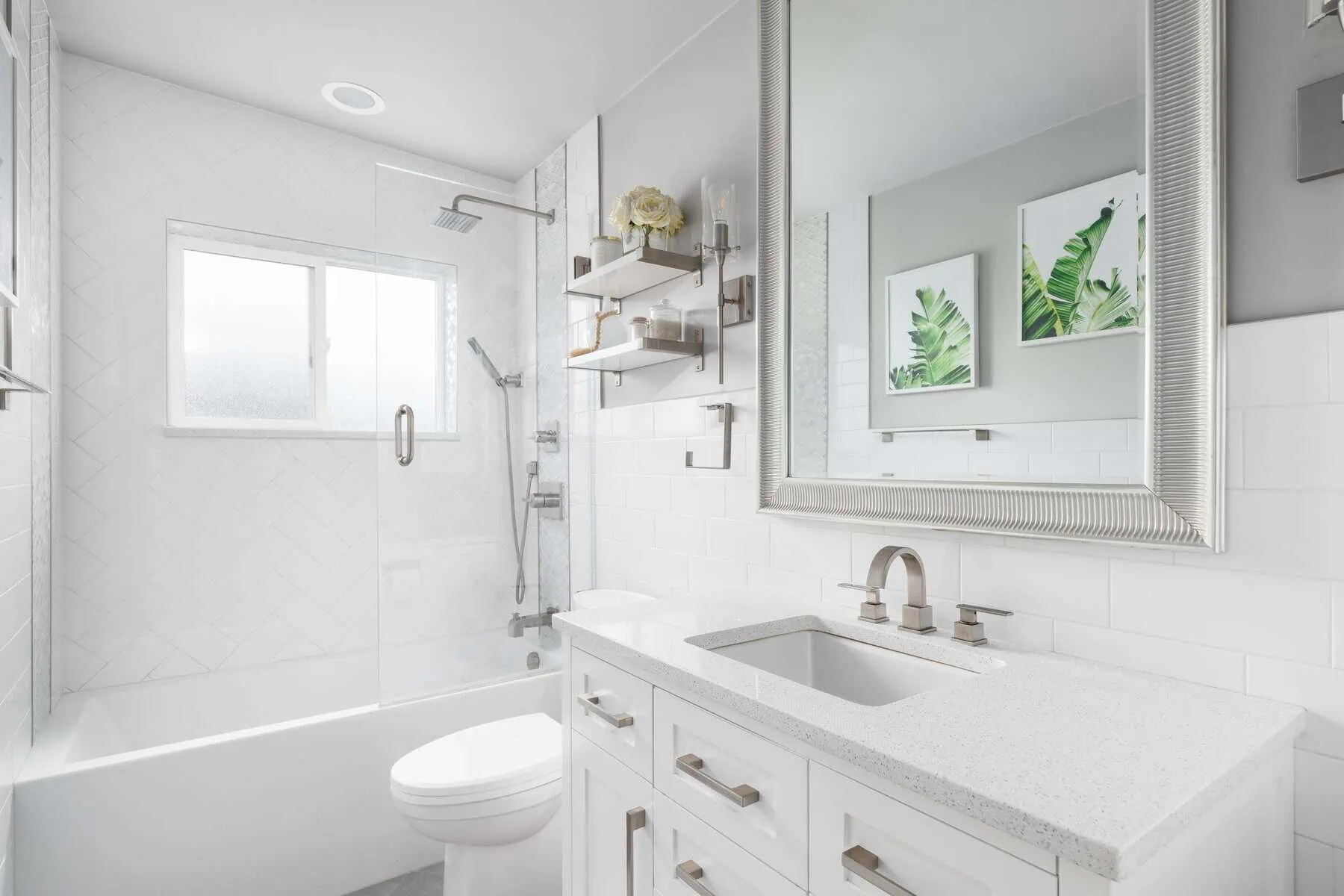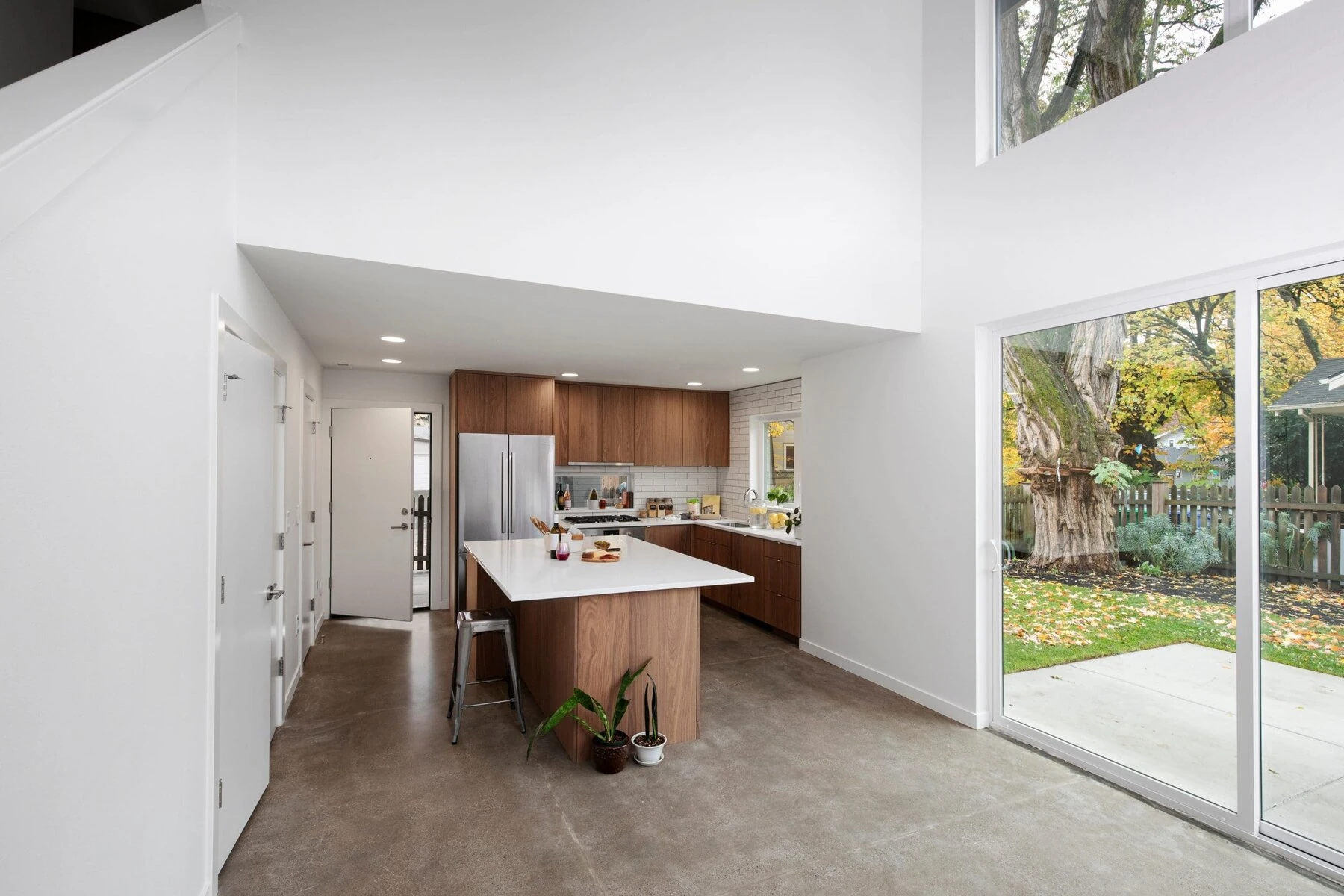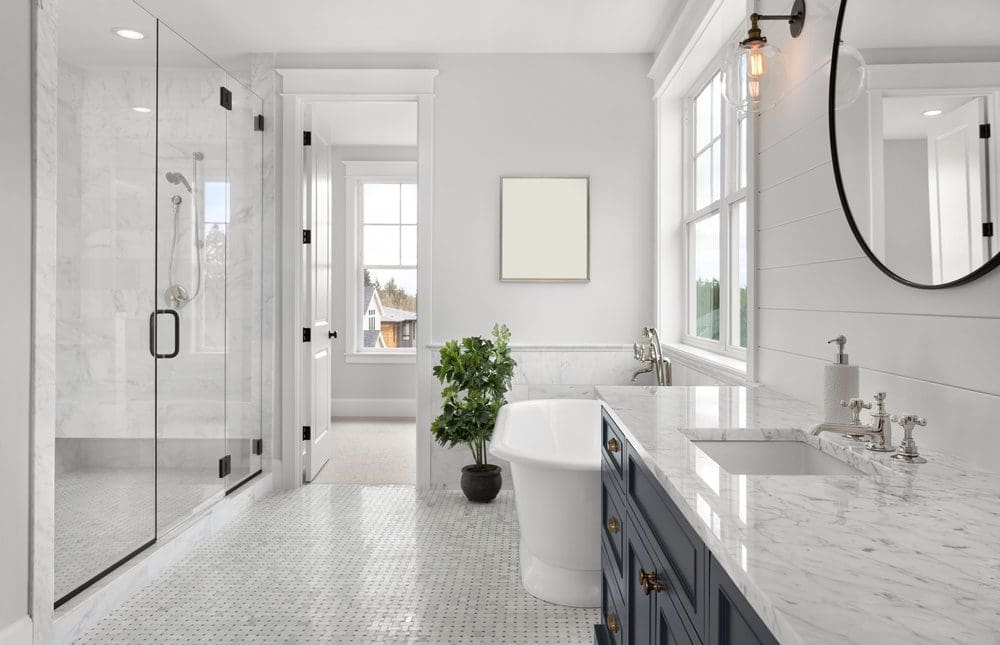
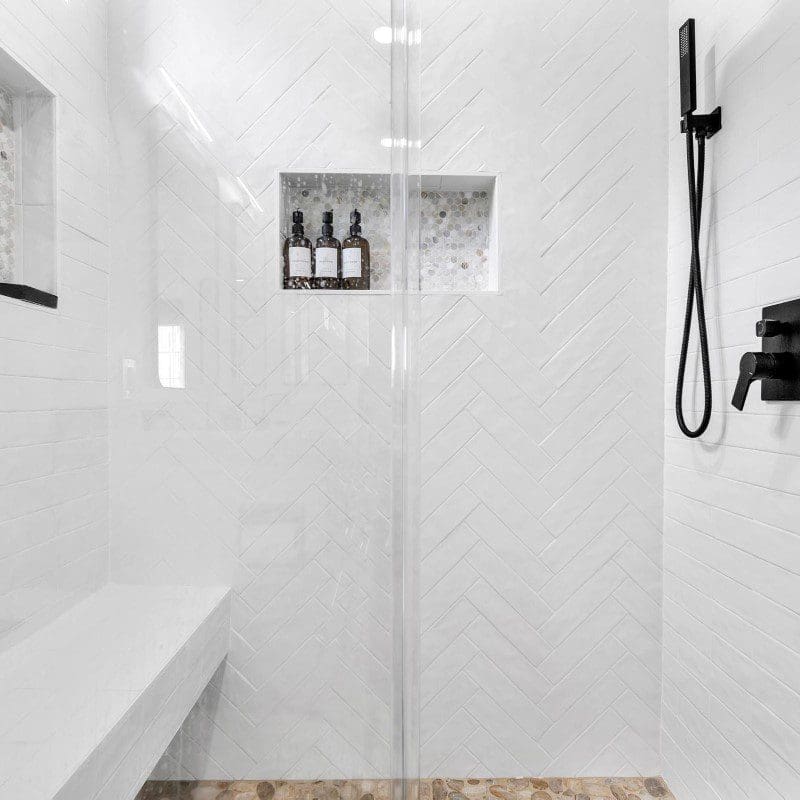
Ever stared at your home and felt a strange mix of love and… intense frustration? We get it. One day you’re admiring the morning light, and the next, you’re side-eyeing that cramped kitchen layout or dreaming of a bathroom that feels less like a time capsule. The thought of a home remodel is equal parts thrilling and terrifying, right? Where do you even start? Do you call the nearest handyman, search for the closest general contractor, or just start binge-watching DIY disaster videos for “inspiration”? Let’s have a real talk about navigating the wild world of renovation in San Diego, and how to turn that vision in your head into a space you absolutely adore.
Table of Contents
The Great San Diego Renovation Dilemma: Dream vs. Reality
We’ve all been there. The Pinterest board is perfect, the savings account is… trying its best, and then reality hits. You need to find a remodeling contractor you can trust, understand the real cost, and somehow survive the process with your sanity (and marriage) intact. In a market flooded with options, how do you choose? Do you go with the nearby company with the flashy truck, or the one your neighbor won’t stop raving about?
Here’s our take, from years in the trenches: the price should never be the only headline. A low bid might mean cutting corners you’ll regret later, while a sky-high quote doesn’t automatically equal quality. The sweet spot is a remodeling company that offers transparent value—where the cost aligns with exceptional craftsmanship, clear communication, and a process designed to actually reduce your stress. That’s the philosophy we built Golden Shore Design and Build on. We’re not just another contracting firm; we’re your local partners in chaos management, here in San Diego.
Blueprinting Your Success: It All Starts With a Plan
Jumping into demolition day might feel cathartic (who doesn’t love swinging a sledgehammer?), but it’s a one-way ticket to budget overruns and headaches. Every successful project, from a simple bathroom update to a whole house transformation, begins with a solid plan.
The Magic of 3D Design
Remember playing with dollhouses or building forts? Modern 3D design is that, but for grown-ups and infinitely cooler. Before a single wall comes down, we can walk you through a photorealistic model of your new space. You’ll see the light, the flow, the cabinet finishes—everything. It eliminates the “I-thought-it-would-look-different” panic and lets you make changes when they’re still just pixels, not expensive rebuilds. It’s a game-changer, and honestly, it’s the part we geek out on the most.
What’s Your Project, Really?
Getting clear on scope is everything. Are we talking a kitchen facelift or a room addition that adds an entire new living area? Maybe it’s building an ADU for family or rental income—a hugely popular move in San Diego. Each type of project has its own rhythm, permits, and considerations.
| Project Type | The Big Question | Why It’s Popular in San Diego |
|---|---|---|
| Kitchen Remodel | “Can we create a hub for connection and cooking?” | The kitchen sells. It’s the heart of the home, and updating it offers massive lifestyle and ROI benefits. |
| Bathroom Renovation | “Can we have a daily spa experience?” | Transforming a dated bathroom into a personal retreat is one of the most satisfying upgrades you can make. |
| ADU Construction | “How can we add space and value?” | With housing at a premium, adding a legal Accessory Dwelling Unit is a brilliant way to generate income or host family. |
| Whole House Remodel | “Can we align our entire home with how we live now?” | For older San Diego homes, it’s about modernizing flow, systems, and style all at once for a cohesive feel. |
| Room Addition | “What if we just… added more square footage?” | When moving isn’t an option, building out or up is the ultimate way to gain the specific space your family needs. |
Choosing Your Partner: The Contractor Conundrum
This is the big one. Your general contractor is going to be in your life, your home, and your group texts for months. You need to vibe with them. A residential project is personal; it’s not just a construction site, it’s your sanctuary.
Red Flags vs. Green Flags
We’ll be blunt: if a contractor is vague about timelines, resistant to permits, or only communicates in cash-only whispers, run. Your spidey-sense is right. You want a team that:
- Provides detailed, written estimates.
- Has a portfolio of actual local projects (drive by them!).
- Communicates proactively and has a clear process.
- Makes you feel heard, not sold to.
This is where we hope Golden Shore Design and Build stands out. We’re a San Diego-based team because we love building and remodeling in this city. We understand the local codes, the architectural styles, and even the best coffee spot near your project to keep the crew fueled. We handle the nitty-gritty so you can focus on the fun parts, like picking out tile. Think of us as your guide, not just your hammer.
The Luxury of Clarity (It’s Not Just for Mansions)
When we hear “luxury home builders,” people often picture sprawling estates. But IMO, true luxury in a home remodel isn’t just about marble countertops (though those are nice). It’s about the luxury of a seamless experience. It’s about trust, transparency, and a team that treats your home with the same care they would their own.
It’s the confidence that comes from a fixed schedule and a dedicated project manager. It’s the relief of knowing every subcontractor is vetted and insured. That’s the standard we aim for on every project, whether it’s a bathroom update or a custom home building project from the ground up. FYI, that peace of mind? Priceless.
Your Top Questions, Answered (No Fluff)
Let’s tackle the big ones we hear every day.
1. How long will my remodel actually take?
Honestly? It depends on the scope, permits, and even the weather. A straightforward bathroom might be 4-6 weeks, while a whole house renovation could take several months. The key isn’t a magical guess—it’s a contractor providing a detailed timeline upfront and updating you religiously if anything shifts. We build buffer for the unexpected (because San Diego might surprise us with rain, or we might discover something quirky in your walls) and communicate it all.
2. How do we stick to our budget?
Transparency from day one. A good contractor will give you a detailed estimate, not a back-of-the-napkin number. Then, we work together to prioritize. Want that premium appliance package? Maybe we suggest a stunning, cost-effective alternative for the flooring to balance it out. It’s a constant conversation, and we track every dollar so there are no scary surprises.
3. Why can’t we just DIY the whole thing?
Hey, we love a good DIY spirit! But there’s a line. Tasks like painting or simple demo? Maybe. Structural work, electrical, plumbing, and tying everything into a cohesive home design? That’s where pros save you time, money on costly mistakes, and a ton of stress. We’ve seen the aftermath of well-intentioned projects gone wrong, and it’s usually more expensive to fix than to have done it right the first time 🙂
Let’s Build Something Amazing, San Diego
At the end of the day, a home remodel is an investment in your daily joy. It’s about creating a backdrop for your life’s best moments. It should be an exciting journey, not a nightmare you endure.
If you’re in San Diego and feeling that itch to transform your space, let’s chat. Whether you’re looking for the nearest expert for a kitchen refresh or a partner for a major residential overhaul, Golden Shore Design and Build is here to help. We’ll listen to your dreams, talk through the real-world details, and craft a plan that makes sense for your life and budget. Why not reach out today for a conversation? Your future favorite room is waiting.
People Also Ask
The 30% rule in remodeling is a common financial guideline suggesting that homeowners should not spend more than 30% of their home's current market value on a single renovation project. This principle helps ensure you do not over-improve a property relative to the neighborhood, which can make it difficult to recoup costs upon resale. For example, if your home is valued at $400,000, a kitchen remodel should ideally cost no more than $120,000. While this rule is a useful benchmark, actual budgets should be based on your specific goals, the condition of your home, and local market trends. At Golden Shore Design and Build, we always advise clients to review our internal article titled The Complete Home Renovation Roadmap: A Step‑by‑Step Guide From First Sketch to Final Walkthrough for a deeper understanding of how to balance investment with long-term value.
A realistic budget for a bathroom remodel in San Diego, Chula Vista, National City, La Mesa and Spring Valley CA typically ranges from $10,000 to $25,000 for a standard mid-range renovation. This cost covers new fixtures, tile, vanity, lighting, and labor. A smaller powder room may start around $6,000, while a luxury master bath with custom features can exceed $35,000. Factors like moving plumbing, upgrading electrical, or selecting premium materials will increase the budget. For detailed guidance on cost breakdowns and planning, please refer to our internal article Expert Answers To Your Top Home Renovation Questions. At Golden Shore Design and Build, we always recommend setting aside a 10 to 15 percent contingency fund for unexpected issues.
When planning a bathroom renovation, avoiding common pitfalls can save time and money. One frequent mistake is neglecting proper ventilation, which can lead to mold and mildew damage. Another is poor lighting placement; task lighting near mirrors is essential for daily routines. Homeowners often underestimate the importance of waterproofing, especially in shower areas. Skimping on quality materials for fixtures can result in costly repairs later. It is also critical to plan the layout carefully; moving plumbing can drastically increase your budget. For a comprehensive overview of best practices, we recommend reviewing our internal article titled Remodeling Your Bathroom Guide. At Golden Shore Design and Build, we emphasize thorough planning to ensure your project runs smoothly and meets your expectations.
A $10,000 bathroom remodel typically focuses on cosmetic upgrades rather than a full gut renovation. For this budget, you can expect to replace the vanity, mirror, and lighting fixtures with mid-range options. You can also install a new toilet and update the faucet and showerhead. The budget often allows for a new tub or shower surround refinishing, but not a complete replacement. Flooring can be updated with luxury vinyl plank or ceramic tile, and a fresh coat of paint is standard. To maximize value, it is wise to keep the existing layout to avoid costly plumbing moves. For a detailed breakdown of cost-saving strategies and design choices, please refer to our internal article titled Remodeling Your Bathroom Guide. At Golden Shore Design and Build, we help clients in San Diego make the most of every remodeling dollar.