
We’ve all walked into a model home and felt that pang of disappointment. Everything looks perfect, but it also looks exactly like the house three streets over. The same backsplash, the same light fixtures, the same “live, laugh, love” decal above the same gray sofa. After fifteen years in the remodeling business, I can tell you that the biggest regret most homeowners have isn’t choosing the wrong countertop—it’s not making the house feel like theirs from the start. You don’t need a blank check or a reality TV budget to get a bespoke home feel. What you need is a strategy.
Key Takeaways
- Customization isn’t about spending more; it’s about spending smarter on high-impact areas.
- The most common mistake is chasing trends instead of solving real functional problems.
- Small, intentional choices in hardware, lighting, and millwork create a layered, personal look that builders won’t give you.
- Professional help is often worth it for structural changes, but DIY can work for finishes if you know your limits.
Table of Contents
The Problem with “Builder Grade” and Why It Feels Off
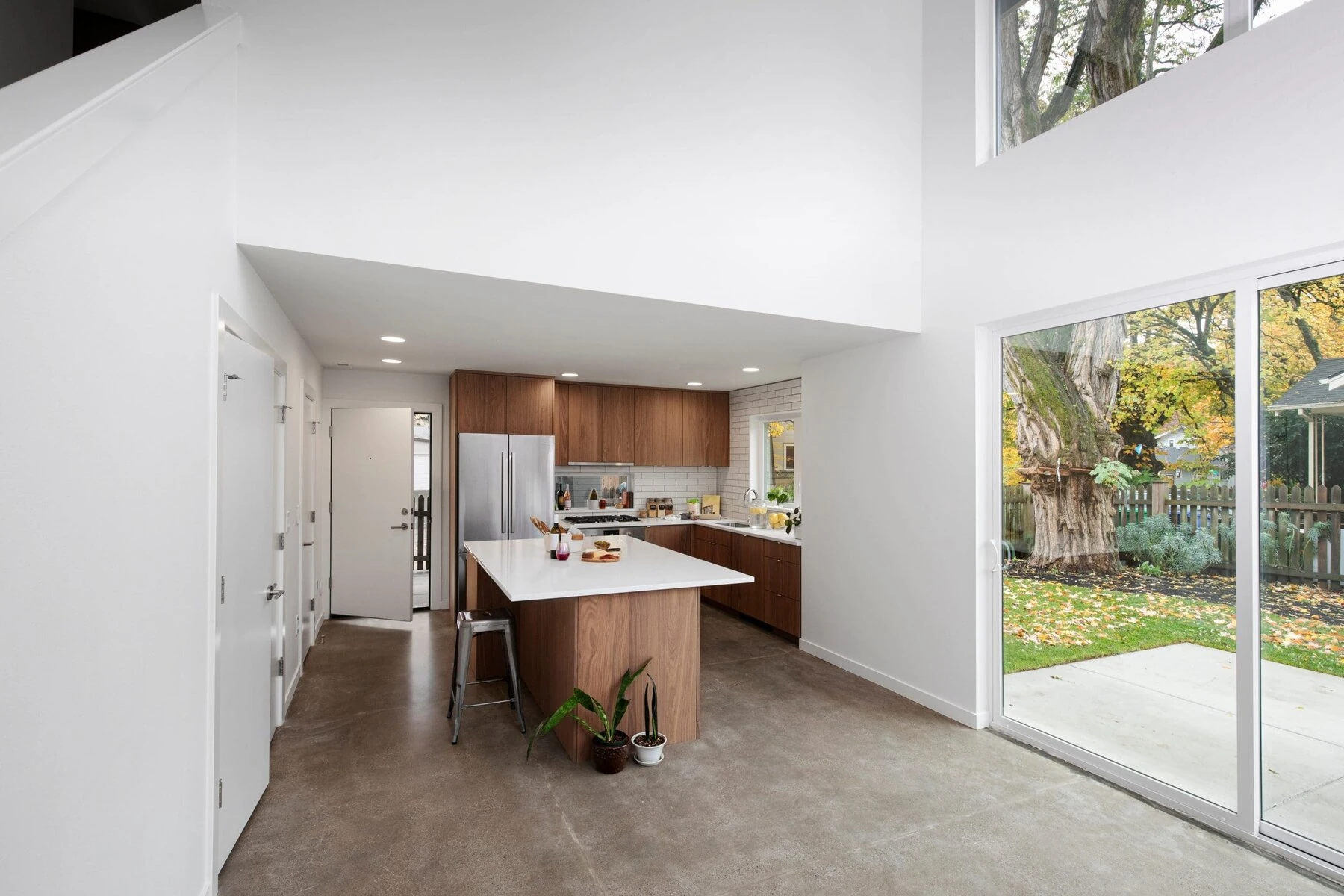
Let’s be honest: builder-grade homes aren’t designed for you. They’re designed for the median buyer. That means everything is safe, neutral, and forgettable. The cabinets are flat-panel oak or thermofoil. The lighting is a single boob light in the center of the ceiling. The trim is minimal because it’s cheaper to install.
We see this all the time in San Diego, especially in the newer developments near Carmel Valley and Otay Ranch. A client buys a brand-new house and within six months, they’re calling us because the kitchen feels sterile or the living room has no personality. The issue isn’t the square footage—it’s the soul.
The fix isn’t gutting everything. It’s identifying the elements that carry the most visual weight and swapping them out strategically.
Where to Start: The High-Touch, High-Impact Zones
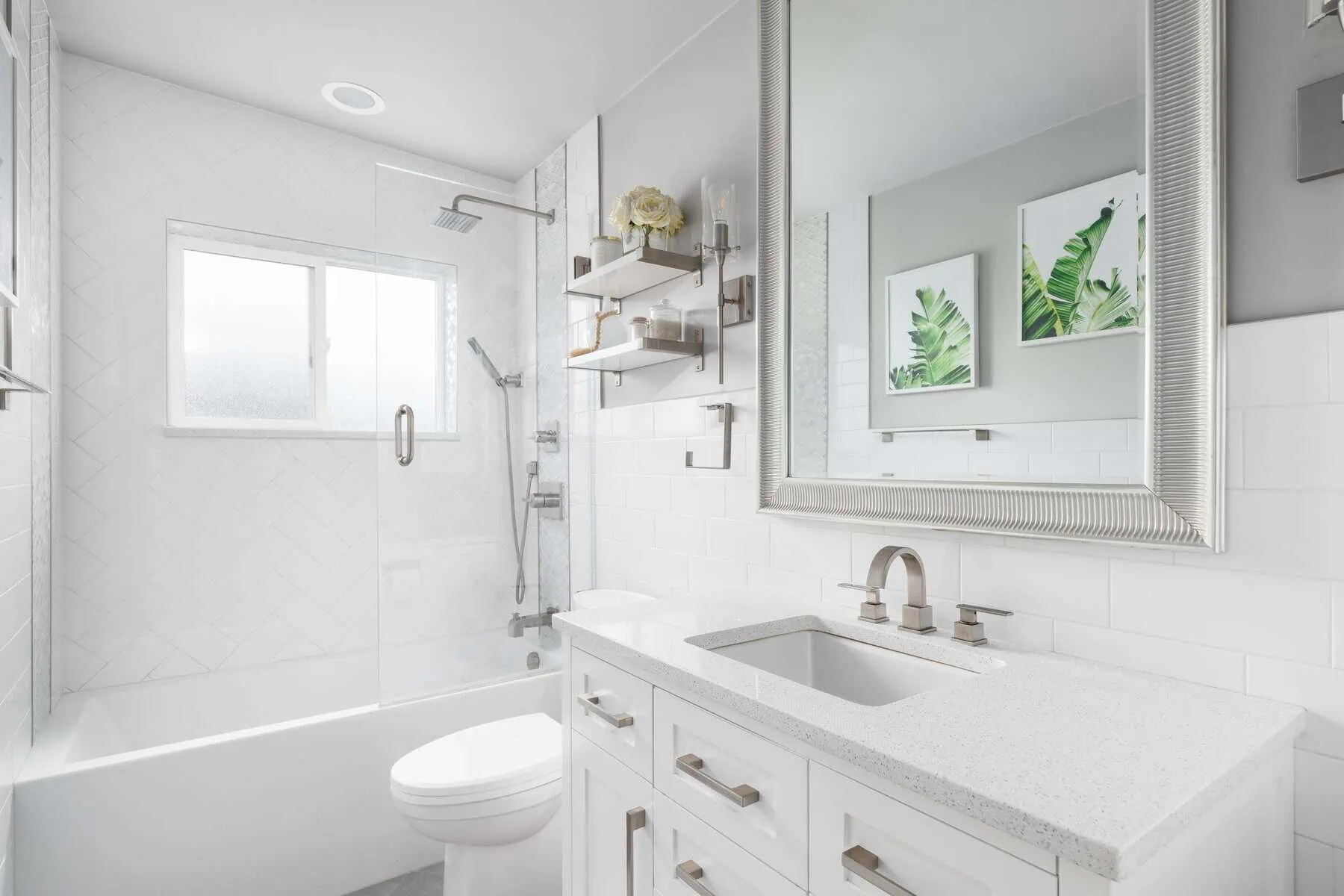
If you’re on a budget (and who isn’t?), focus your money on surfaces you touch every day. Door handles, cabinet pulls, light switches, faucets. These are the things your hand lands on dozens of times a day. Replacing them is cheap and takes an afternoon.
Hardware as Jewelry
Think of hardware like jewelry for your home. A matte black lever handle on a white door instantly says “someone cared.” We’ve swapped out standard brass hinges for aged bronze in a 1920s Craftsman in North Park, and the whole hallway felt richer for about $80.
Here’s the trick: don’t mix finishes in the same line of sight. If your kitchen has stainless steel appliances, use brushed nickel or matte black for the cabinet pulls—not polished brass. The contrast should feel deliberate, not accidental.
Switch Plates and Outlets
This sounds absurd, but hear me out. Standard white plastic switch plates are the visual equivalent of a paper cut. Swap them for screwless, paintable metal plates. It costs maybe $30 for a whole house, and it eliminates that cheap, hollow feeling. We do this on every single project, even the budget ones.
Rethinking the “Feature Wall” Approach
Everyone talks about accent walls, but most of them look like an afterthought. A single wall painted a different color rarely reads as intentional. Instead, think about texture.
Textured Wall Treatments
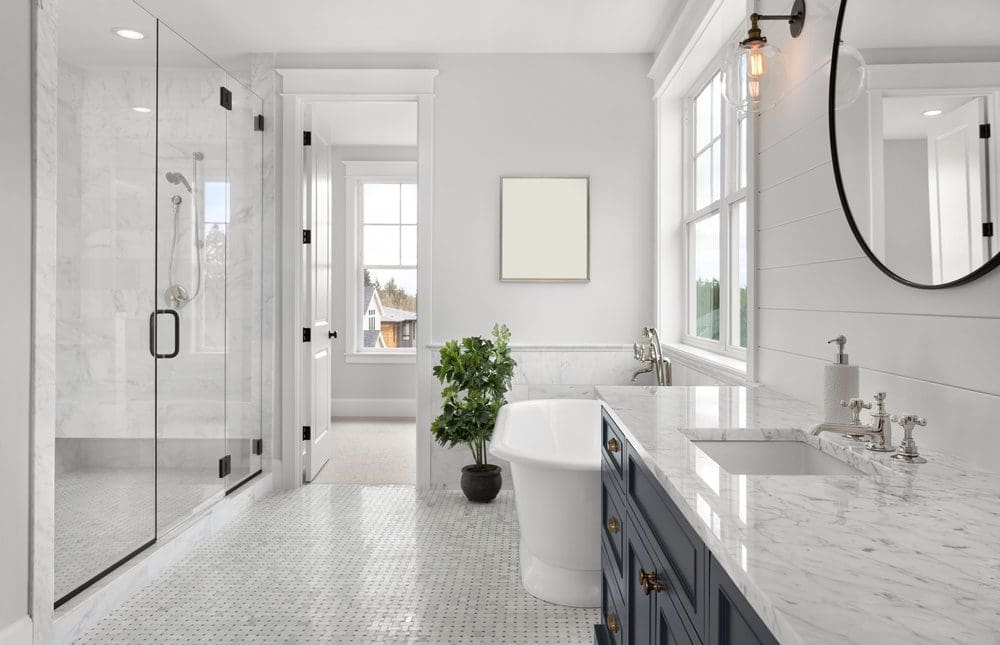
Beadboard, shiplap, or board-and-batten wainscoting adds depth without screaming “I’m a feature wall.” In a coastal climate like San Diego, we use a lot of beadboard in bathrooms and mudrooms because it handles humidity well and feels period-appropriate. You can install it yourself over a weekend if you have a miter saw and patience.
The mistake we see most often? People stop the wainscoting at the halfway point but don’t cap it with a chair rail. It looks unfinished. Always add a cap piece, even if it’s just a simple 1×4.
The “Wrong” Wall
Sometimes the best wall to customize isn’t the one you see first. It’s the one you see last. We did a project in a condo near Balboa Park where the owner painted the ceiling of her entryway a deep navy. It was unexpected, but it drew your eye upward and made the small space feel taller. She got more compliments on that ceiling than on her new kitchen.
Lighting: The Single Best Return on Investment
I’ll say it plainly: most people under-light their homes by about 40%. And they use the wrong color temperature. A builder-grade ceiling fan with a light kit is not a lighting plan. It’s a crime against ambiance.
Layering Light
You need three layers: ambient, task, and accent. Ambient is your ceiling lights. Task is under-cabinet lights in the kitchen or a reading lamp. Accent is what highlights art or architectural details.
For a bespoke feel, replace the boob light in the dining room with a pendant that has a dimmer. Dimmers are cheap—$15 at the hardware store—and they instantly change the mood of a room. We put dimmers in every single room of our own house, and it cost less than a dinner out.
Color Temperature Matters
Stick to 2700K to 3000K for living spaces. Anything higher (5000K) looks like a surgical suite. We’ve had clients insist on “bright white” bulbs, and every time, the room ends up feeling cold and uninviting. Warm light makes wood tones richer and skin tones healthier.
Millwork and Trim: The Secret to Custom
If you want your house to feel expensive without spending a fortune, focus on trim. Standard builder trim is usually 2.25-inch baseboards and colonial casing. It’s fine, but it’s generic.
Beef Up the Baseboards
Swap out 2.25-inch baseboards for 5-inch or even 6-inch ones. The difference is dramatic. Suddenly the walls look taller, and the room feels more substantial. The material cost is maybe $200 for an average living room. Labor is the bigger expense if you hire it out, but it’s a straightforward DIY if you’re handy with a nail gun.
Crown Molding Without the Headache
Not every room needs crown molding, but a room with 9-foot ceilings looks naked without it. If you’re nervous about cutting coped corners, use a pre-made corner block. It’s not as elegant, but it’s 90% of the look for 20% of the effort.
We once had a client in La Jolla who refused to do crown molding because she thought it would make the room feel smaller. We convinced her to try a small profile in the living room. She called us a week later asking why she hadn’t done it sooner.
When Customization Goes Wrong: Common Traps
Not every idea is a good one. Here are the mistakes we see most often:
- Over-customizing a rental. If you don’t own the place, don’t rip out cabinets. Stick to removable upgrades like peel-and-stick wallpaper, renter-friendly light fixtures, and cord covers.
- Ignoring scale. A massive farmhouse table in a 10×12 dining room will make the space feel cramped. Measure twice, buy once.
- Following a trend blindly. Matte black everything was hot five years ago. Now it’s starting to feel tired. Mix timeless elements (brass, nickel, wood) with one or two trendy pieces that are easy to swap later.
- Forgetting about function. A beautiful open shelf in the kitchen looks great until you have to dust 50 mismatched glasses every week. If you hate cleaning, don’t do open shelving.
Cost vs. Value: What’s Worth the Splurge
| Upgrade | Typical Cost | DIY Difficulty | Impact | Notes |
|---|---|---|---|---|
| Cabinet hardware swap | $50–$150 | Easy | High | Go for solid metal, not plastic |
| Dimmer switches (per room) | $15–$30 | Moderate | Very high | Requires basic wiring knowledge |
| Paint (whole room) | $100–$300 | Moderate | High | Use eggshell or satin, not flat |
| Crown molding (per room) | $200–$600 | Hard | Very high | Hire a pro if you don’t have a miter saw |
| New light fixture | $100–$500 | Moderate | Very high | Hire an electrician if wiring is old |
| Textured wall treatment | $150–$400 | Moderate | High | Beadboard is beginner-friendly |
| New baseboards (per room) | $200–$400 | Hard | Very high | Measure for odd angles |
The table above is based on San Diego material and labor prices as of early 2025. Your mileage will vary, but the ratios hold.
When to Call a Pro (And When to Save Your Money)
Not everything is a DIY project. We’ve seen too many homeowners try to save $200 on electrical work and end up with a fire hazard. If you’re touching anything behind a wall—wiring, plumbing, gas lines—hire a licensed professional. It’s not about skill; it’s about liability.
On the other hand, painting, swapping hardware, and installing peel-and-stick backsplash are well within the reach of a motivated beginner. The key is knowing your own limits. If you’ve never used a level before, don’t start with a full kitchen tile backsplash. Start with a single wall in a powder room.
Golden Shore Design & Build has worked on projects all over San Diego, from the older bungalows in Hillcrest to the new builds in East Village. We’ve seen people spend $50,000 on a kitchen that still felt generic because they skipped the small touches. And we’ve seen people spend $2,000 on a living room that felt completely custom because they focused on lighting, trim, and hardware.
The “Bespoke” Mindset
At the end of the day, a bespoke home isn’t about having the most expensive stuff. It’s about having stuff that fits you. That means acknowledging your habits. Do you actually use a formal dining room? Turn it into a library. Do you hate overhead light? Build in more lamps. Do you have kids who draw on walls? Install a magnetic paint wall in the hallway.
The most customized homes we’ve ever built weren’t the ones with the most square footage. They were the ones where the owners thought about how they actually live. That’s the real secret. Not the hardware, not the lighting, not the trim—though all of those help. It’s the willingness to say, “This is how we want to feel in this space,” and then making the small, intentional choices to get there.
If you’re in San Diego and thinking about a remodel, give us a call. Or don’t. But at least change out those switch plates. You’ll thank me later.
People Also Ask
The 3-5-7 rule is a popular interior design guideline for creating visually balanced groupings of decorative objects. The principle suggests that odd numbers, specifically 3, 5, and 7, are more appealing to the eye than even numbers. When arranging items like vases, candles, or picture frames, using a group of three creates a strong focal point, five adds more complexity while maintaining balance, and seven works well for larger displays. This rule helps avoid a cluttered or overly symmetrical look. For expert application of such design principles in your San Diego home, Golden Shore Design and Build can help you achieve a harmonious and professional finish.
To make your home feel custom, focus on personalization through architectural details and intentional design choices. Start by adding built-in shelving or custom millwork, which instantly elevates a standard room. Selecting unique lighting fixtures and hardware in finishes that reflect your taste also creates a bespoke feel. Texture and layering are key; combine different materials like wood, stone, and textiles to add depth. For a truly tailored look, consider a statement wall that anchors the space. For expert guidance on this, we recommend reading Choosing The Right Statement Wall For Your Space. At Golden Shore Design and Build, we often advise clients to invest in quality over quantity, choosing fewer, more meaningful pieces that tell a story. This approach transforms a house into a home that feels exclusively yours.
The 3-4-5 rule in decorating is a design principle used to create visual harmony and balance, often applied to furniture arrangement or wall art placement. It is based on the mathematical concept of odd numbers being more dynamic and pleasing to the eye than even groupings. For example, when arranging items on a coffee table or a shelf, using three objects of varying heights, such as a vase, a stack of books, and a candle, creates a more interesting focal point than two identical items. In wall decor, this rule can guide spacing or the grouping of three pieces of art. At Golden Shore Design and Build, we often recommend this rule to clients in San Diego to achieve a professional, curated look that feels natural and unforced in any room.
The 70/30 rule is a fundamental principle in interior decorating that helps create balanced and visually appealing spaces. It suggests that 70 percent of a room's decor should be a dominant, neutral or solid color, while the remaining 30 percent should be an accent color or pattern. This ratio applies to elements like furniture, wall colors, textiles, and accessories. For example, if your sofa is a neutral beige (70 percent), you might introduce accent pillows, a rug, or artwork in a bolder hue (30 percent). This rule prevents a room from feeling too chaotic or monotonous. At Golden Shore Design and Build, we often apply this guideline to ensure our projects achieve a harmonious and professional finish.