We’ve all stood in that kitchen showroom or scrolled through a hundred renovation photos wondering the same thing: do we go with open shelving or stick with upper cabinets? It feels like a simple choice, but anyone who’s actually lived with both knows it’s anything but. The decision touches how you cook, how you clean, how you entertain, and honestly, how you feel every time you walk into the room.
Here’s the short version: open shelving looks gorgeous in photos but demands a level of organization most of us don’t have. Upper cabinets hide clutter and store more, but they can make a kitchen feel boxed in. The right answer depends on your cooking habits, your storage needs, and how much time you actually want to spend dusting your dishes.
Key Takeaways
- Open shelving works best for items you use daily and are willing to keep visually perfect.
- Upper cabinets offer more storage capacity and hide the mess, but they can feel heavy in small kitchens.
- A hybrid approach—mixing open shelving with some cabinets—often solves the trade-off better than going all-in on one.
- San Diego’s coastal climate means dust and humidity are real factors that affect both options differently.
- Professional installation matters more than most people realize, especially when dealing with older San Diego homes and their unique wall structures.
Table of Contents
The Reality of Open Shelving
Let’s talk about what nobody tells you about open shelving. It’s not just about displaying your nice dishes. It’s about committing to a level of tidiness that borders on obsessive. I’ve walked into kitchens where the open shelves looked like a magazine spread—three matching white plates, a single vase, two glasses. Beautiful. But then I’ve also seen the reality six months later: mismatched mugs, half-used spice jars, and that one water bottle nobody claims.
Open shelving forces you to curate your kitchen. If you’re the type who buys bulk at Costco or keeps a dozen different cooking oils, open shelves will make your kitchen look chaotic. The visual noise is real. On the flip side, if you’re someone who loves the look of a clean, minimal space and you’re willing to edit down your collection, open shelving can make a small kitchen feel twice as large.
There’s also the dust factor. San Diego has its own version of dust—fine, gritty, and persistent. Open shelves collect it faster than you’d expect, especially if you live near the coast or in areas like Pacific Beach where the ocean air carries salt and moisture. You’ll be wiping down those shelves and everything on them at least once a week. If that sounds like a chore you’d resent, stick with cabinets.
What Upper Cabinets Actually Do for You
Upper cabinets get a bad rap in design circles, but they solve problems that open shelves can’t. They hide the ugly stuff—the mismatched Tupperware, the wine glasses with logos, the collection of takeout containers you swear you’ll recycle one day. For most families, that alone is worth the trade-off.
The storage capacity is also significantly better. Upper cabinets can go all the way to the ceiling, giving you space for holiday platters, small appliances you use twice a year, and pantry overflow. Open shelving typically stops at a height you can actually reach, which means you lose that vertical real estate.
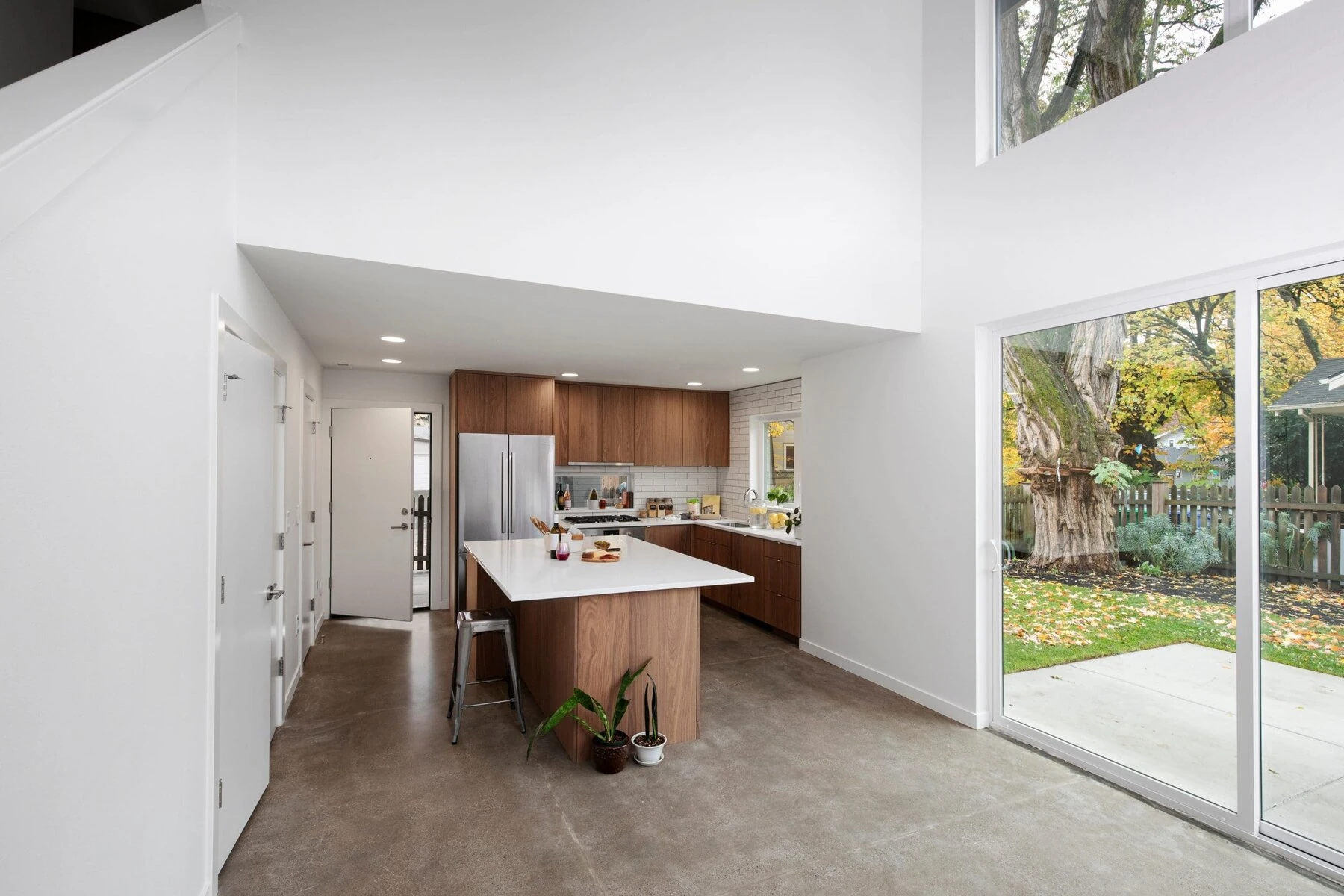
But here’s the catch: upper cabinets can make a kitchen feel closed in, especially in smaller spaces. If your kitchen is narrow or lacks natural light, floor-to-ceiling cabinets can feel oppressive. That’s where the design matters—glass-front doors, lighter paint colors, and under-cabinet lighting can help, but they don’t fully solve the visual weight.
The Hybrid Approach That Actually Works
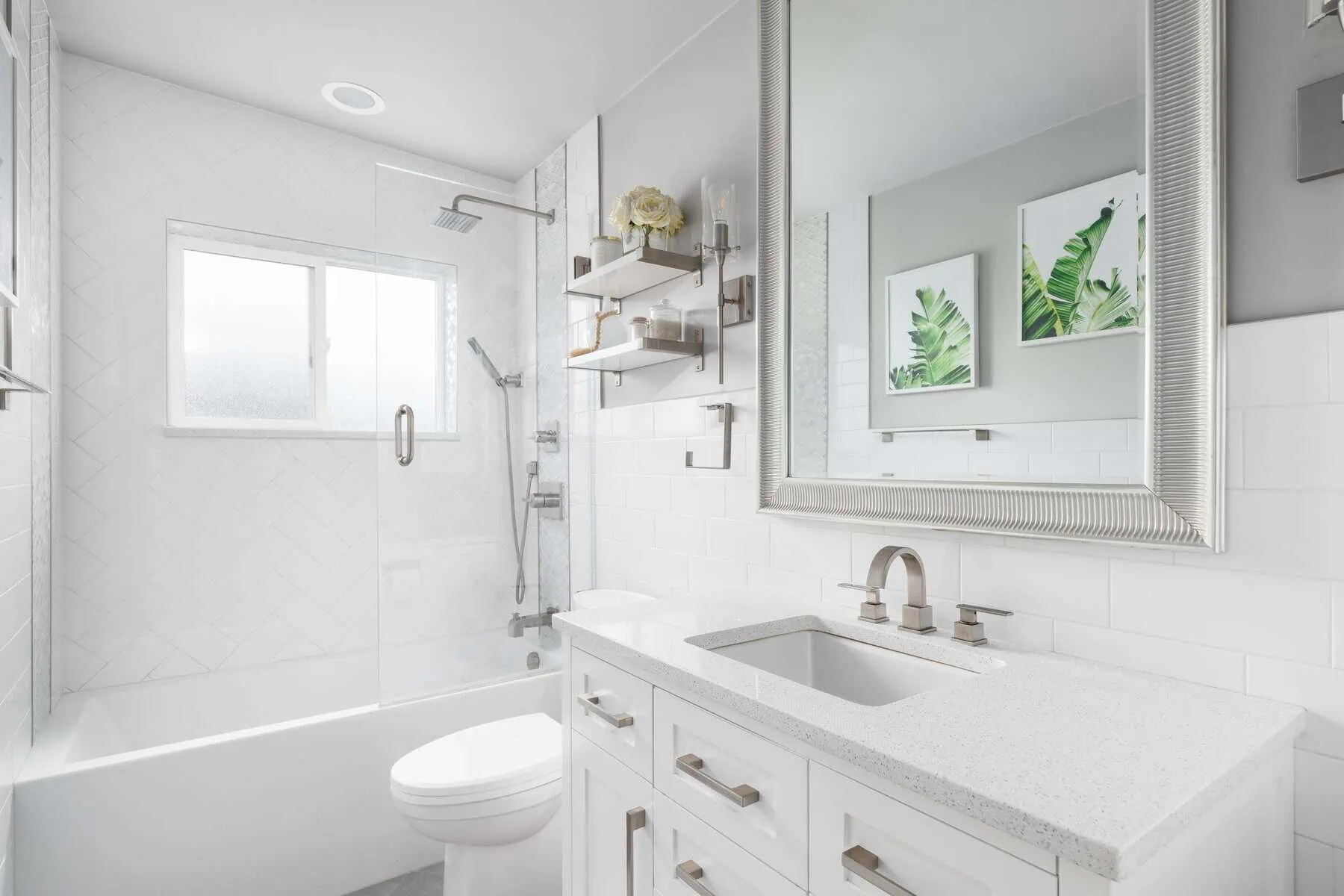
After watching dozens of homeowners go back and forth, the smartest solution is usually a mix. Keep upper cabinets for the bulk of your storage, then add a section of open shelving in a spot that makes sense. Maybe it’s above the coffee station, next to the range, or on a wall that’s otherwise dead space.
This gives you the best of both worlds. You get the visual break and the display space without sacrificing storage. And if you change your mind later, swapping open shelving back to cabinets or vice versa is much easier when you’re only dealing with a small section.
One approach we’ve seen work well in San Diego homes is using open shelving on an accent wall or in a breakfast nook area, while keeping the main cooking zone behind closed doors. That way, the everyday mess stays hidden, but you still get that airy, curated look where it matters most.
Climate and Location Matter More Than You Think
Living in San Diego comes with specific considerations that a lot of online advice ignores. We don’t have the humidity of the Southeast, but we do have coastal moisture and temperature swings between morning fog and afternoon sun. That affects both materials and maintenance.
For open shelving, wood can warp or develop a patina over time if it’s exposed to steam from cooking and ocean air. Metal shelves can develop rust spots, especially if you’re near the water in areas like La Jolla or Coronado. Even ceramic dishes on open shelves can collect a fine layer of salt residue if you leave windows open.
Upper cabinets protect your items from that environmental wear, but they also trap moisture if they’re not properly vented. We’ve seen cabinets in older Mission Beach homes develop mildew on the inside because the kitchen lacked proper exhaust. It’s a reminder that your choice isn’t just aesthetic—it’s practical for your specific climate.
Common Mistakes We See All the Time
The biggest mistake people make is choosing based on photos instead of habits. Someone sees a beautiful kitchen on Instagram with open shelves and decides to rip out all their cabinets. Three months later, they’re frustrated because nothing matches and everything looks cluttered.
Another mistake is ignoring the weight limits of open shelving. Not all shelves are created equal. Floating shelves, especially the ones from big box stores, often can’t hold a stack of heavy dinner plates or cast iron cookware. We’ve had to reinforce shelves in older San Diego homes where the walls are plaster over lath, not drywall. That changes how you install and what you can safely store.
And then there’s the height issue. People install open shelves at the same height as cabinets, forgetting that shelves don’t have doors that swing open. You can actually mount open shelves a few inches higher because you don’t need clearance for doors, which gives you a more open feel. Most people miss that.
Cost Considerations Nobody Talks About
Let’s be honest about money. Custom open shelving in solid wood or metal can cost as much as cabinets, sometimes more. The idea that open shelving is the budget option is mostly a myth. Cheap open shelving looks cheap, and in a kitchen, that stands out.
Upper cabinets, especially stock cabinets from a home center, are often more affordable per linear foot. But you also need to factor in hardware, installation, and potentially crown molding to finish the look. The total cost can swing wildly based on materials and labor.
In San Diego, labor rates are higher than national averages, and finding a contractor who understands both modern design and older home construction is worth paying for. A poorly installed shelf or cabinet can cause damage that costs more to fix than the original installation. That’s not a scare tactic—it’s something we see regularly in homes from North Park to Kensington.
When Open Shelving Is a Bad Idea
There are situations where open shelving is genuinely the wrong choice. If you have a rental property or an Airbnb, open shelving means guests will see your inventory, and they’ll also have to figure out where things go. That leads to dishes stacked wrong and shelves looking messy between cleanings.
If you have young children, open shelving at reachable height means everything becomes a toy. We’ve had clients who loved the look but ended up moving everything above counter height after their toddler discovered the joy of throwing ceramic bowls.
And if you’re planning to sell your home in the next few years, open shelving can be a polarizing feature. Some buyers love it, but many see it as less storage and more work. Upper cabinets are safer for resale value in most markets, including San Diego.
The Professional Installation Question
This is where we see the most regret. People buy shelves online, watch a YouTube video, and try to install them themselves. In a brand new home with perfectly level walls and studs where you expect them, that might work. In a 1920s bungalow in Hillcrest or a 1950s ranch in Clairemont, good luck.
Older San Diego homes have walls that aren’t square, studs that are spaced irregularly, and plaster that crumbles if you look at it wrong. A professional installation isn’t just about making it look straight—it’s about making sure the shelf doesn’t pull out of the wall when loaded with dishes.
The same goes for upper cabinets. Hanging cabinets is a two-person job that requires precise leveling and anchoring. A cabinet that’s slightly off-level becomes obvious every time you open the door. And a cabinet that falls off the wall is a disaster waiting to happen.
If you’re in San Diego and considering either option, talking to a local builder who knows the quirks of your neighborhood’s housing stock can save you a lot of headaches. Golden Shore Design & Build has worked in these older homes enough to know what works and what doesn’t.
Making the Final Decision
Here’s a practical way to decide. Take a hard look at your daily kitchen use. Do you cook elaborate meals that require a dozen spices and gadgets? Upper cabinets will serve you better. Do you mostly make coffee, toast, and simple meals, and you value an open, airy feel? Open shelving might be worth the extra dusting.
Consider your tolerance for visual clutter. If the sight of a mismatched mug bothers you, open shelving will either force you to curate or drive you crazy. If you’re fine with a lived-in look, open shelves can feel warm and inviting.
And remember, this isn’t permanent. You can change your mind. We’ve helped clients convert open shelving back to cabinets and vice versa. It’s not cheap, but it’s doable. The key is making a choice that works for how you live now, not for some idealized version of yourself you’re trying to become.
| Factor | Open Shelving | Upper Cabinets |
|---|---|---|
| Storage capacity | Limited to reachable height | Can go to ceiling |
| Visual clutter | Shows everything | Hides everything |
| Dust and maintenance | Weekly cleaning needed | Wipe fronts only |
| Cost | Can be cheap or expensive | Typically more predictable |
| Resale value | Polarizing | Broadly preferred |
| Best for | Minimalists, daily-use items | Families, bulk storage |
| Worst for | Rentals, young kids, messy cooks | Small dark kitchens |
A Grounded Closing Thought
At the end of the day, your kitchen should work for you, not the other way around. Open shelving and upper cabinets each have their place, and the right choice depends on your actual life, not a Pinterest board. If you’re renovating in San Diego, pay attention to your home’s age, your neighborhood’s climate, and your own habits. And don’t be afraid to ask for help—sometimes the best decision is letting someone who’s done it before guide you through it.