
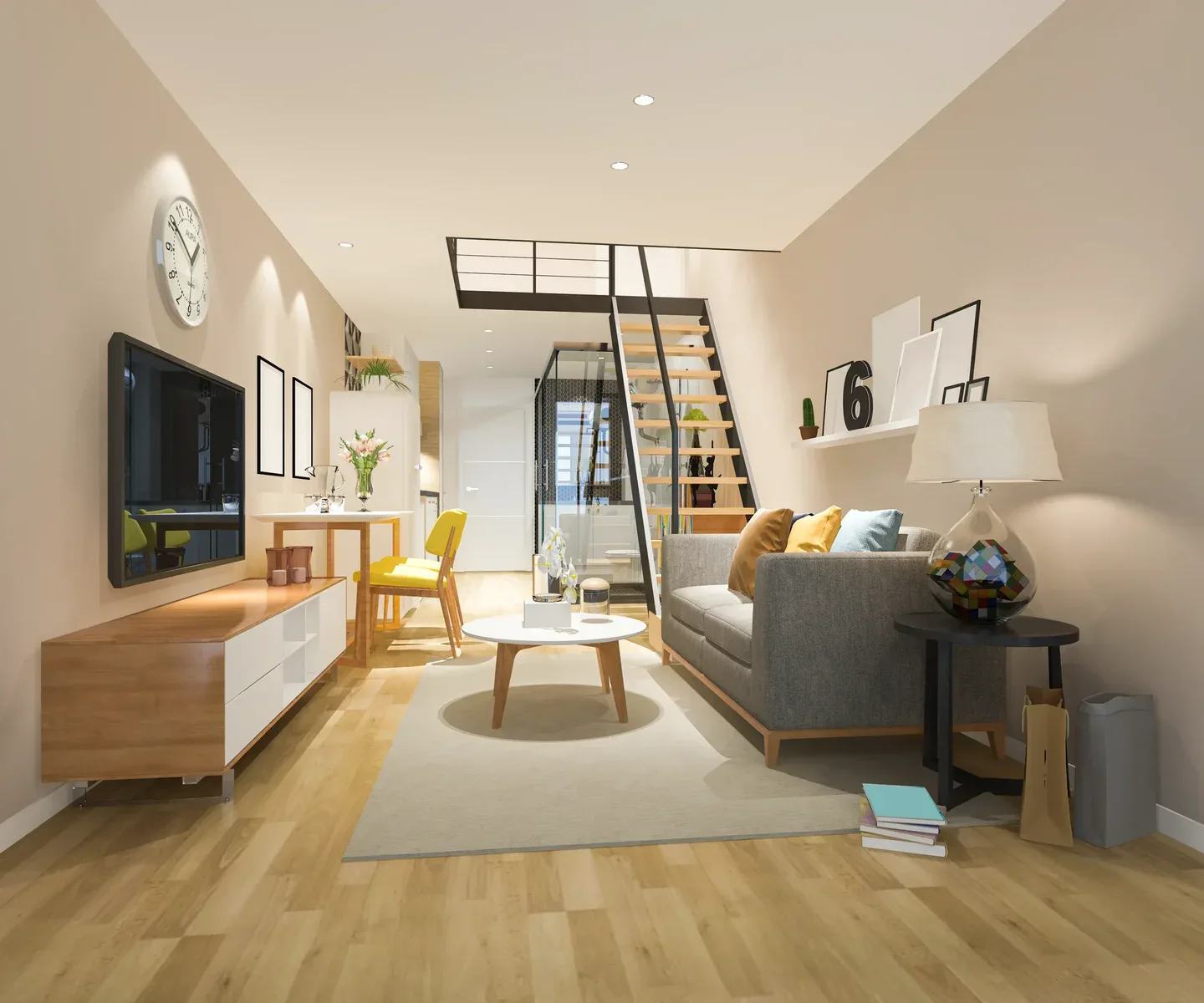

The renovation turned out even better than we pictured. Everyone involved was easy to talk to and kept us in the loop through every stage. Work moved along smoothly and the results look fantastic. Friends keep asking who did the work.

We recently had our outdated bathroom remodeled by Golden Shore Design and Build, and Chris was exceptional throughout the entire process. His attention to detail and commitment to quality truly transformed our space into a luxurious retreat. I highly recommend their services for anyone looking to upgrade their home.

The whole house renovation gave our place a fresh new feel. Each room flows naturally into the next. We are proud of how it all turned out

We recently finished a complete kitchen renovation and are very satisfied with our construction and renovation firm. From the initial design consultation through to the final walk-through, the staff at this company displayed a remarkable level of professionalism and knowledge. Our project manager kept us fully apprised of the progress through daily updates and was very responsive to all of our inquiries. The staff were very considerate, on time, and maintained a remarkably clean construction site, causing little disruption to our daily routine. The workmanship is of the highest quality, and they completed the project right on time and within the agreed-upon budget with no surprises.

Professional builders providing neat finishes and smooth project coordination.

The remodel on our place included a few tricky parts but this team knew exactly what they were doing. Their design sense made the layout flow better than it ever has. It feels like a real upgrade in terms of value.

I brought them in for a full home remodel and the whole experience felt smooth and straightforward. Their design ideas actually made the renovation feel exciting instead of stressful. You can tell the builders care about a quality build from start to finish.

I hired them for a residential remodel, and I’m blown away by the results. The design process was smooth and collaborative, which made the whole project stress-free. These guys really know how to deliver a great renovation.

My bathroom and kitchen renovation turned out strong across the board. Their remodel contractor kept communication easy and never made things confusing. The quality build shows and the place feels refreshed in the best way.

I had this business remodel two bathrooms and both turned out perfect. They made sure I was comfortable while the work was being done. The results speak for themselves.
The cost comparison between adding an addition to your main house and building a separate Accessory Dwelling Unit (ADU) depends heavily on your specific property and goals. Generally, a simple bump-out addition can be less expensive per square foot as it leverages existing utilities and foundations. However, a detached ADU, while often having higher upfront costs due to new foundations and independent systems, can offer superior long-term value through rental income, increased property value, and greater privacy for both households. Key factors include site conditions, local permit fees, and the scope of finishes. For a detailed breakdown of costs, benefits, and planning considerations, see our internal guide: All You Need to Know When Building Accessory Dwelling Units.
The $40,000 grant in California typically refers to the CalHFA ADU Grant Program. This initiative provides forgivable loans of up to $40,000 to qualified homeowners to cover pre-development costs associated with constructing an Accessory Dwelling Unit (ADU) or Junior ADU (JADU) on their property. Eligible costs include impact fees, planning, design, soil tests, and permit applications. The loan is forgiven if the homeowner completes the ADU and occupies either the primary residence or the ADU for five years. This program aims to increase affordable housing stock and help homeowners offset high upfront costs. It's crucial to check current program guidelines, as funding and specific requirements can change.
The cost comparison between building an ADU (Accessory Dwelling Unit) and buying a prefab unit depends heavily on project specifics, but prefab options often have a lower initial price point. A traditional stick-built ADU involves significant site work, labor, and material costs that can escalate, especially in high-cost regions. Prefabricated or modular ADUs benefit from controlled factory construction, which can reduce waste and labor time, potentially offering a more predictable and faster overall cost. However, final expenses for both hinge on site preparation, foundation work, utility connections, permits, and finishes. A prefab may have a lower base cost, but a custom build could offer better long-term value by precisely meeting your property's needs and aesthetic. Thoroughly itemized bids for both approaches are essential for an accurate comparison.
A common mistake when building an Accessory Dwelling Unit (ADU) is failing to understand local zoning and permitting requirements, which can lead to costly delays or non-compliance. Homeowners often underestimate the budget, not accounting for site prep, utility connections, and finishing costs. Choosing the wrong foundation or skimping on insulation for a detached structure creates long-term issues. Another frequent error is poor space planning, resulting in a unit that feels cramped or lacks functionality. To avoid these pitfalls, thorough research and professional planning are essential. For a complete guide, refer to our internal article All You Need to Know When Building Accessory Dwelling Units, which details every step from concept to completion.
The cost of a room addition or ADU/JADU construction in Carlsbad varies significantly based on size, design complexity, materials, and site conditions. A basic interior conversion JADU might start around $50,000, while a new, detached two-bedroom ADU can easily range from $200,000 to $400,000 or more. Key cost factors include foundation work, utility connections, permits, and interior finishes. It is crucial to work with a licensed design-build firm that understands local zoning and the state's ADU laws to avoid costly delays. For a detailed breakdown of planning and budgeting for such a project in the area, please refer to our internal article Room Addition / ADU (JADU) Construction in Carlsbad. Always obtain multiple detailed quotes.


66 reviews