Have you been wondering why your neighbors are all talking about building an accessory dwelling unit (ADU)?
They’re probably trying to make the best of the housing market right now. Given the rising mortgage prices and dwindling options, it’s not exactly the home buyer’s dream. But ADU gives you more space to maneuver.
With an ADU, you can increase your property’s usability and value. It also gives you the option to generate rental income. Many people opt for these alternative options due to their affordability—something that is needed in the face of housing shortages.
If you’re curious about ADUs and are considering building one on your property, you’ve come to the right place.
Below, we’ve outlined all you need to know about ADUs to help you make informed decisions moving forward. And if you do decide to build one, you can take up the project successfully.
Let’s start with the basics.
Table of Contents
What Is an Accessory Dwelling Unit?
Accessory dwelling units, or ADUs, are independent living spaces built on the same lot as a single-family home. While they may share the foundation with the primary structure on the property, ADUs must have their own legal access to water, sewer, and utilities, along with fully functional spaces for the kitchen, bathroom, living room, and bedroom.
These units can be bought or sold separately, rented out, or used as additional living or working spaces for the family.
Building an ADU requires a permit from local authorities. It may not be legal in some jurisdictions.
Types of ADUs
ADUs can be categorized into different groups based on where they are built.
Here are some of the most common types of ADUs:
1. Attached ADUs
Attached ADUs share a wall with the primary home and are often built on the side or rear part of the existing structure. They have a separate entrance.
They are also fully functional living spaces, though they may share utility hookups with the main residence.
2. Detached ADUs
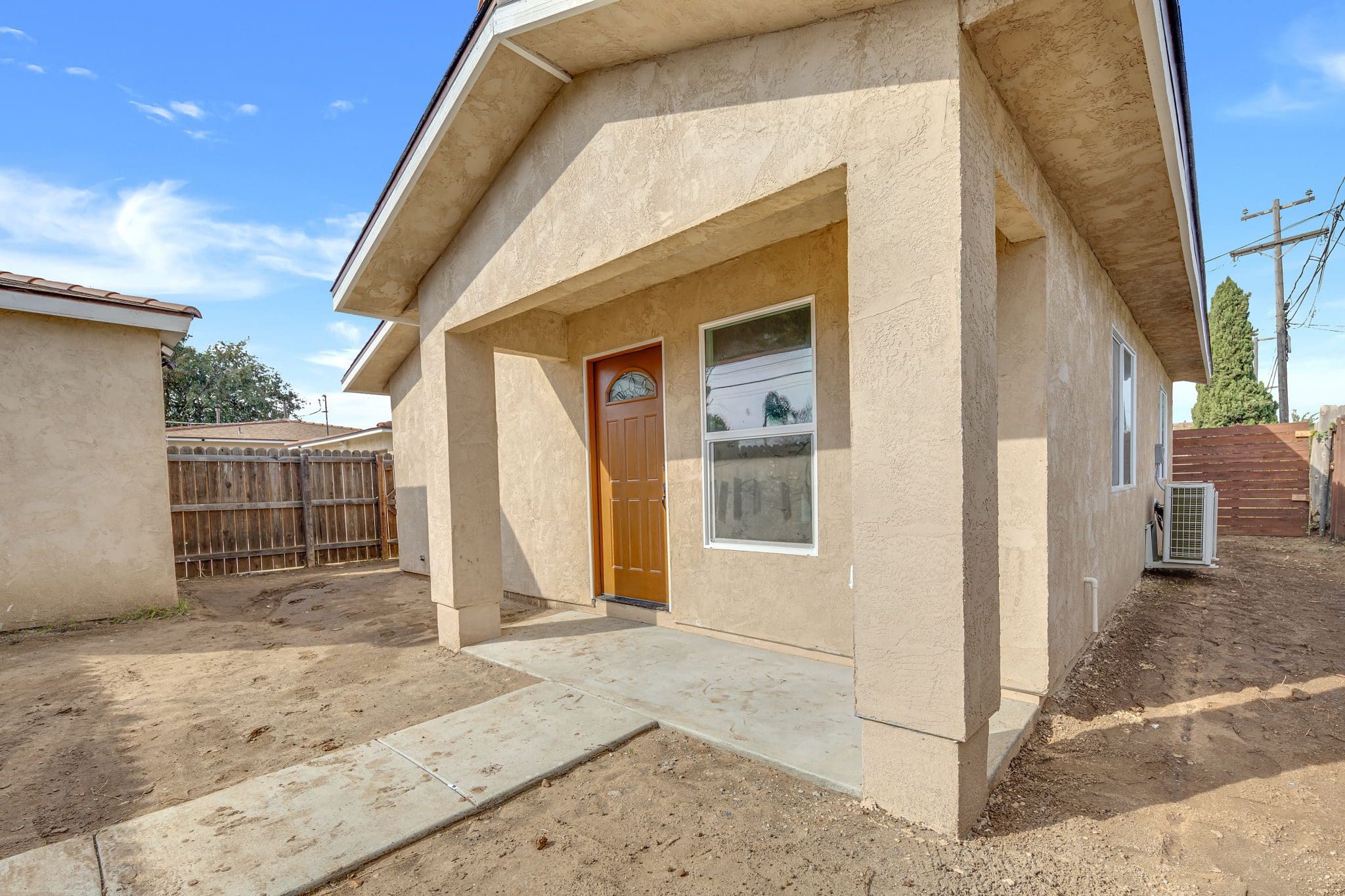
These types of ADUs are the opposite of attached ADUs. They are fully functional and independent living spaces with separate entrances and don’t share a wall with the main house.
3. Junior ADUs (JADUs)
JADUs are built in the space of the primary house on the property, within the same walls. They’re not visible from the outside and take up less than 500 square feet. They are often built-in attics, basements, or spare rooms that may or may not share sanitation facilities with the primary structure.
4. Garage Conversions
These are garages that have been converted into fully functional living spaces. They’re an ideal solution for those short on living areas and don’t need the parking space.
Benefits of ADUs
Regardless of what type of ADU you plan to build, you will surely enjoy many perks.
From monetary benefits to improved property value, here are some reasons to consider building an ADU on your property:
Affordable and Cost-Effective
The main reason to build an ADU is because it is a very affordable type of construction. In most cases, you don’t need to build an ADU from scratch but only need to add some utilities and certain functionalities.
Some states like California also promote ADU construction, where they remove the following restrictions:
- No need to occupy the primary residence or the proposed new structure
- No impact fee for ADUs smaller than 750 square feet
- Builders can apply for ADU permits regardless of how the lot or home is situated
- No need to meet off-street parking requirements if homeowners convert their garages into ADUs
Applicants in California can also maximize the number of ADUs by ensuring they aren’t less than 850 square feet (1 bedroom ADU) or less than 1000 square feet (1+ bedroom ADU).
Value Addition
Adding an ADU to your property can significantly increase your home’s value. In some cases, such an addition may also lead to tax benefits.
Increased Usable Space
ADUs give homeowners added usable space, which they can use as work-from-home spaces, guest rooms, or rental units. If you have extended family staying with you for a vacation or ones that you need to care for, you’ll greatly appreciate the privacy that ADUs provide.
Source of Income
Homeowners can also use their ADUs as a source of income by renting them out.
Tips on Building an ADU
There are many things to keep in mind when building an ADU, especially before you begin planning:
- Check your region’s zoning laws before getting started with the design planning.
- Measure available interior space before buying new furniture and appliances.
- Choose durable materials that are also sustainably sourced.
- Optimize available space and go for flexible storage solutions.
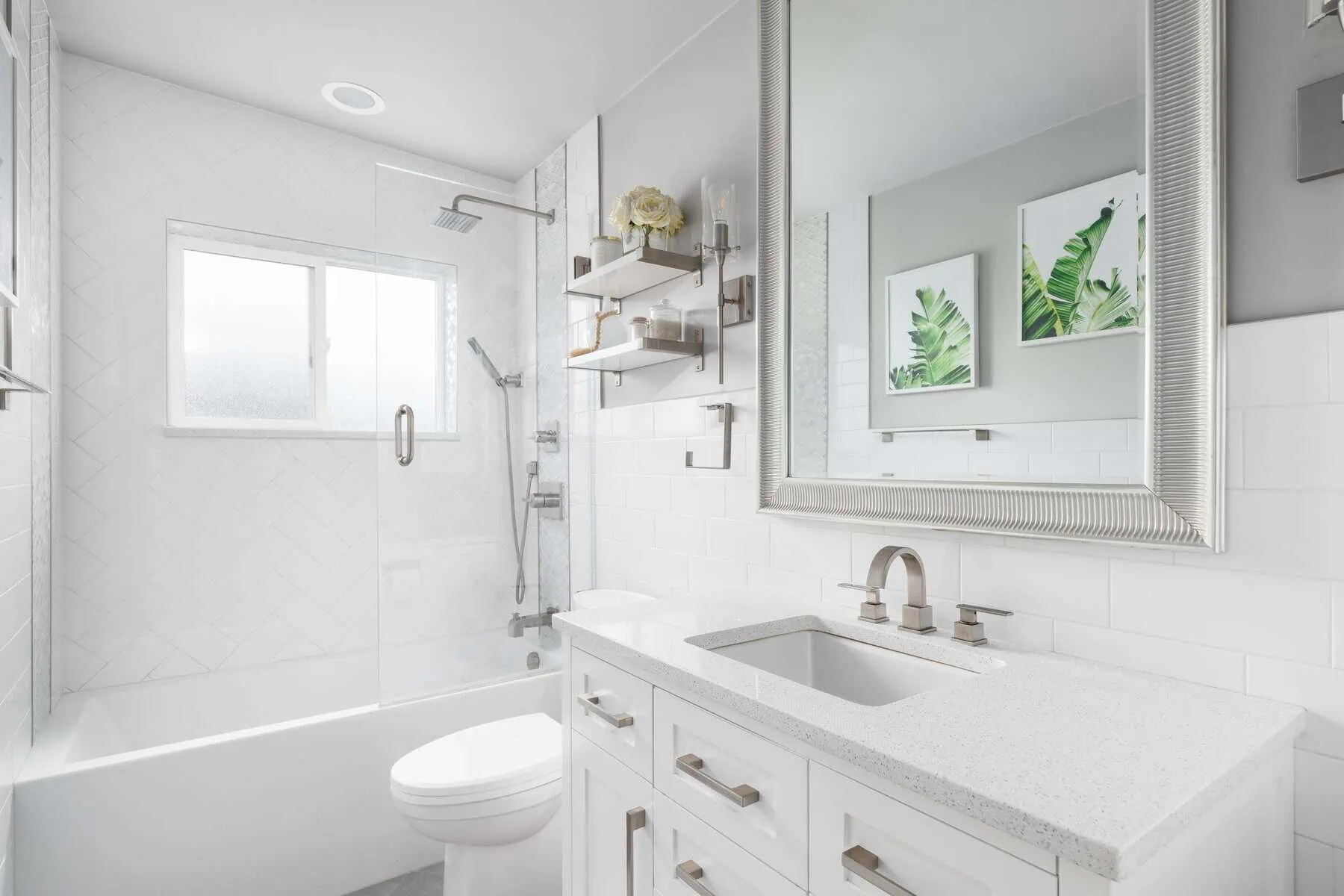
- Paint small spaces in light colors and decorate them with mirrors to make them feel spacious, light, and bright.
- Consider outfitting the space with all the amenities required for a comfortable holiday or workation.
- Factor in safety features, such as fire extinguishers, safety exits, smoke detectors, etc.
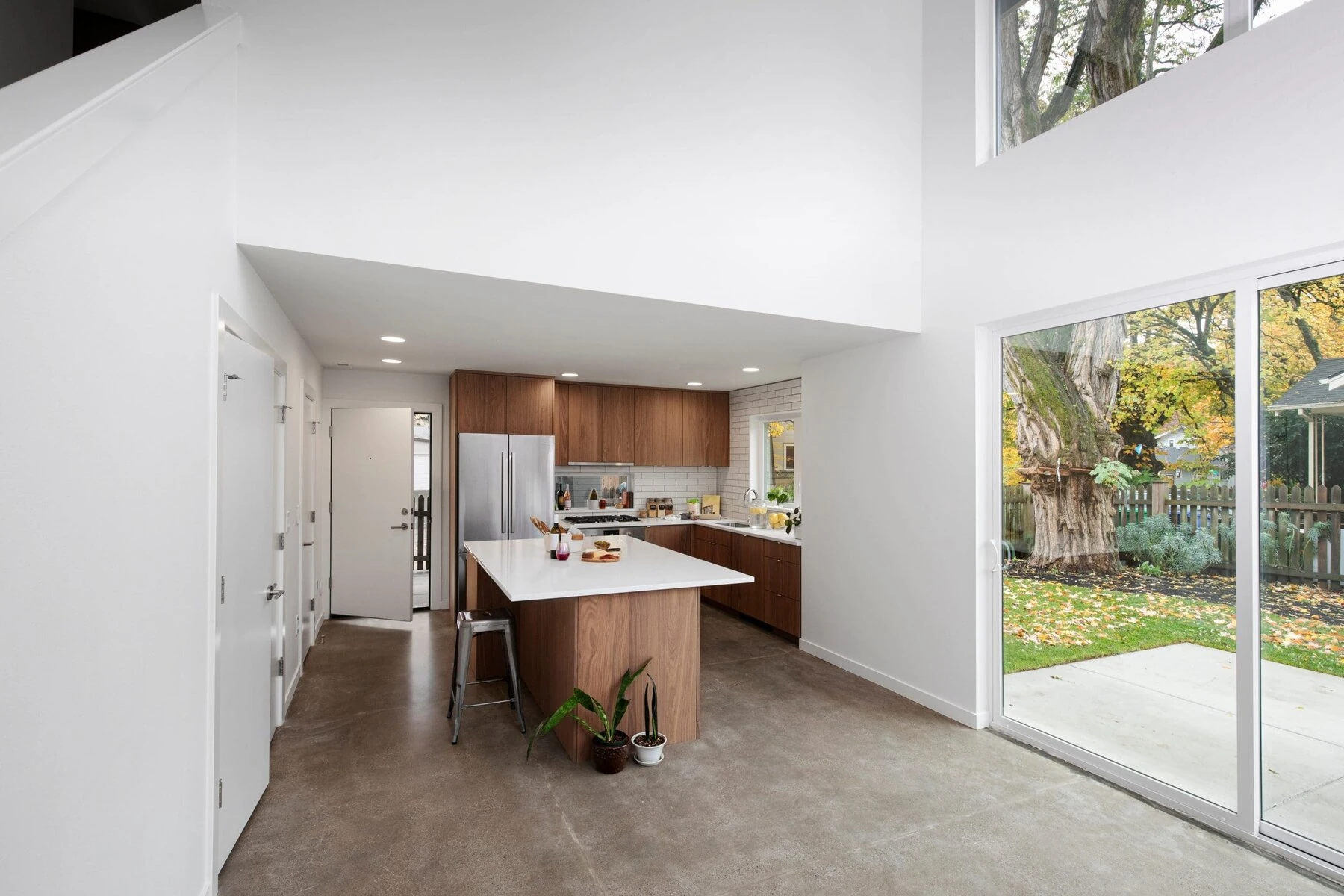
- Integrate as many windows, light fixtures, and height to bring in more light.
- Add outdoor space (with plants) into the ADU package if possible.
- Incorporate a separate entrance for your ADU.
- Give your ADU and its occupants privacy with fences, gates, doors, or barriers.
Financing Options for ADUs
If you’re looking into financing options for ADUs, renovation loans might be a good solution. If you have an existing mortgage, refinancing it is another affordable option if you’re looking for low interest rates.
If you’re in California, you can also look into state grants and incentives for building ADUs.
Build Your ADU With Golden Shore
Despite how easy it looks, researching and building an ADU on your property is a challenging project to take on yourself. Our experienced team can help ensure you get everything you need, whether it is tips on designing ADUs or assistance with zoning requirements.
Do you have more questions about building ADUs or want to start planning your ADU project? Golden Shore is here to help. Let’s get in touch to begin!
Related Articles
Room Addition / ADU (JADU)
San Diego ADU Construction: Fast-Track Your Build & Avoid Costly Mistakes
ADUs As A Modern Solution For Multi-Generational Living
People Also Ask
When building an Accessory Dwelling Unit (ADU) in San Diego, Chula Vista, or National City, one common mistake is underestimating utility connection costs. Many homeowners focus on construction expenses but forget that bringing sewer, water, and power to a new structure can add tens of thousands of dollars to the budget. Another frequent error is ignoring local setback requirements and parking regulations, which can lead to costly redesigns or permit denials. Additionally, failing to plan for proper soundproofing between the main house and the ADU often results in tenant complaints. To avoid these pitfalls, we recommend reading our detailed resource: Building a New Construction Home: The Complete Guide From Land to Move-In Day. Golden Shore Design and Build always advises clients to secure a comprehensive feasibility study before breaking ground.
When planning an Accessory Dwelling Unit, the first step is understanding your local zoning laws and permit requirements, as these vary by city. In San Diego, Chula Vista, National City, La Mesa, and Spring Valley, you must consider setback rules, height limits, and parking mandates. Size and layout are critical; a well-designed ADU should balance functionality with your property's existing footprint. Budgeting for utility connections, such as separate water and electric meters, is essential. Additionally, think about the unit's purpose, whether for rental income or family use, as this influences design choices. For a thorough overview, read our article ADU Anxiety? Your Guide To A Legal And Profitable Build to navigate common pitfalls. Golden Shore Design and Build can help streamline this process with expert guidance on legal compliance and efficient construction.
While Accessory Dwelling Units (ADUs) offer many benefits, there are notable downsides to consider. The most significant challenge is the upfront cost, as construction can be expensive, often exceeding $100,000 depending on size and finishes. This investment may not always yield a quick return on investment if rental income is lower than expected. Additionally, building an ADU can reduce your available backyard space, which might impact property enjoyment or limit future landscaping projects. There are also potential zoning and permit hurdles, even in San Diego, Chula Vista, National City, La Mesa and Spring Valley CA, which can delay timelines. Finally, managing a tenant adds ongoing responsibilities, from maintenance to legal compliance. Golden Shore Design and Build can help you navigate these challenges with careful planning and cost-effective design solutions.
For properties in San Diego, Chula Vista, National City, La Mesa, and Spring Valley CA, the maximum size of an attached or detached Accessory Dwelling Unit (ADU) is generally capped at 1,200 square feet. However, local zoning and lot coverage rules can further restrict this limit. A Junior ADU (JADU) is limited to 500 square feet. For specific guidance on how these regulations apply to your property, we recommend reviewing our internal article titled Room Addition / ADU (JADU). Golden Shore Design and Build can help you navigate these requirements to ensure your project meets all local standards.
When considering an ADU for your property in San Diego, Chula Vista, National City, La Mesa, or Spring Valley, visual examples can be very helpful for understanding layout and design possibilities. A well-planned ADU typically features a separate entrance, efficient use of square footage, and a cohesive style that complements the main house. Common designs include studio units with a combined living and sleeping area, or one-bedroom layouts with a distinct separation of spaces. For a comprehensive visual guide and detailed planning advice, we recommend reviewing our internal article titled Room Addition / ADU (JADU), which includes a range of examples and professional insights. Golden Shore Design and Build can help you evaluate which ADU style best fits your property and budget.
Accessory dwelling units, or ADUs, come in several common forms that homeowners in San Diego, Chula Vista, National City, La Mesa and Spring Valley CA often consider. A popular example is a detached backyard cottage, which is a separate structure from the main house, ideal for guest suites or rental income. Another example is a garage conversion, where you transform an existing garage into a livable space, preserving your yard. You might also see a junior ADU, which is created within the walls of an existing single-family home, typically under 500 square feet. For professional guidance on which design fits your property, Golden Shore Design and Build can help you evaluate local zoning rules and maximize your lot's potential. Each option offers a unique balance of cost, privacy, and functionality.