
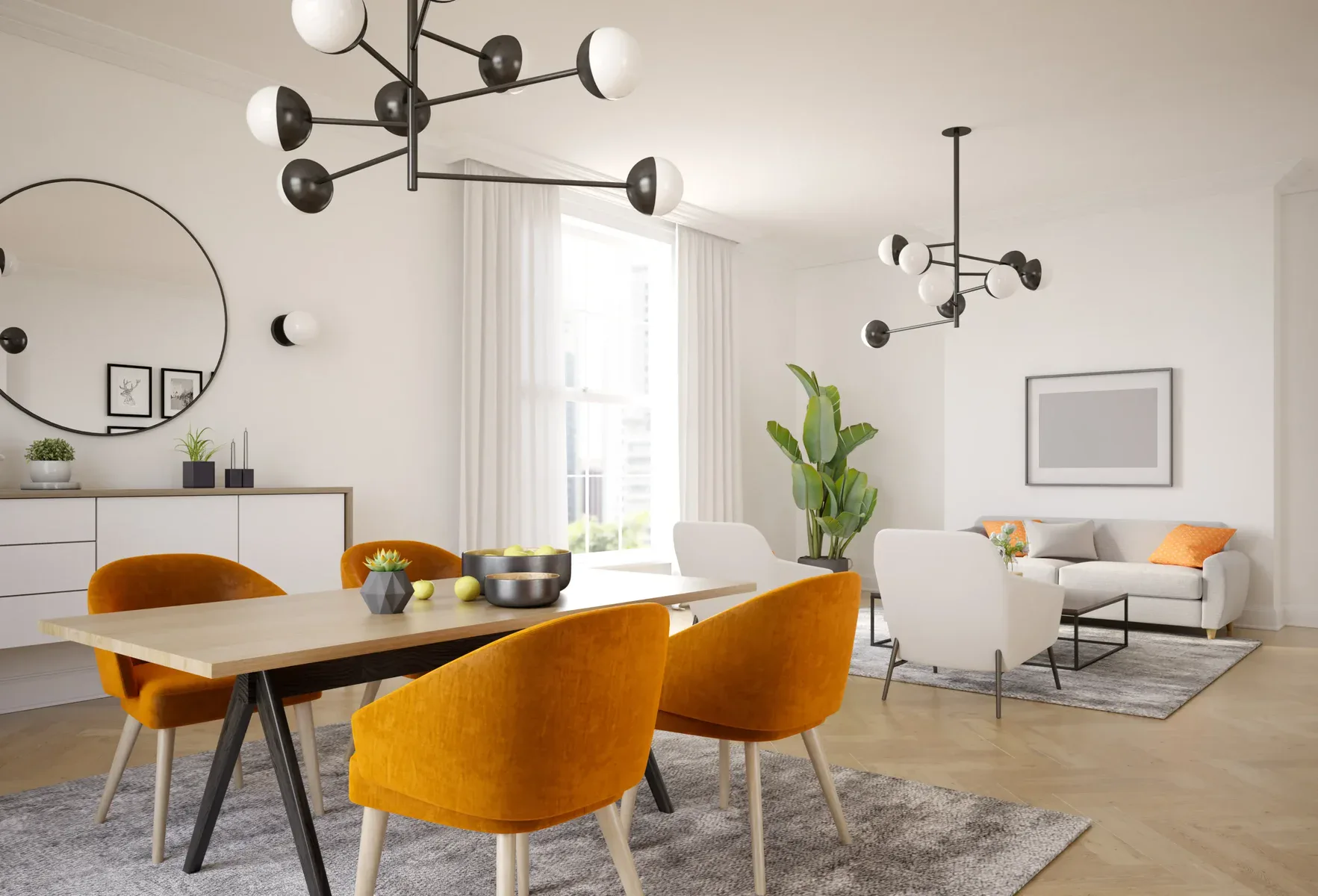

The renovation turned out even better than we pictured. Everyone involved was easy to talk to and kept us in the loop through every stage. Work moved along smoothly and the results look fantastic. Friends keep asking who did the work.

We recently had our outdated bathroom remodeled by Golden Shore Design and Build, and Chris was exceptional throughout the entire process. His attention to detail and commitment to quality truly transformed our space into a luxurious retreat. I highly recommend their services for anyone looking to upgrade their home.

The whole house renovation gave our place a fresh new feel. Each room flows naturally into the next. We are proud of how it all turned out

We recently finished a complete kitchen renovation and are very satisfied with our construction and renovation firm. From the initial design consultation through to the final walk-through, the staff at this company displayed a remarkable level of professionalism and knowledge. Our project manager kept us fully apprised of the progress through daily updates and was very responsive to all of our inquiries. The staff were very considerate, on time, and maintained a remarkably clean construction site, causing little disruption to our daily routine. The workmanship is of the highest quality, and they completed the project right on time and within the agreed-upon budget with no surprises.

Professional builders providing neat finishes and smooth project coordination.

The remodel on our place included a few tricky parts but this team knew exactly what they were doing. Their design sense made the layout flow better than it ever has. It feels like a real upgrade in terms of value.

I brought them in for a full home remodel and the whole experience felt smooth and straightforward. Their design ideas actually made the renovation feel exciting instead of stressful. You can tell the builders care about a quality build from start to finish.

I hired them for a residential remodel, and I’m blown away by the results. The design process was smooth and collaborative, which made the whole project stress-free. These guys really know how to deliver a great renovation.

My bathroom and kitchen renovation turned out strong across the board. Their remodel contractor kept communication easy and never made things confusing. The quality build shows and the place feels refreshed in the best way.

I had this business remodel two bathrooms and both turned out perfect. They made sure I was comfortable while the work was being done. The results speak for themselves.
The requirements for an Accessory Dwelling Unit (ADU) in Poway, California, are governed by state law and local municipal code. Key requirements include that the property must be zoned for single-family or multi-family residential use, and the primary residence must be owner-occupied. The ADU can be attached, detached, or a conversion of existing space, with maximum size limits typically 1,200 square feet for a detached unit. There are specific setback, height, and parking regulations, though recent state laws have reduced parking mandates if the ADU is near transit. A building permit and plan check are mandatory, and the unit must meet all California Building Code standards for safety and habitability. Consulting the City of Poway's Planning Division for the most current guidelines is essential.
The cost comparison between adding an addition and building an Accessory Dwelling Unit (ADU) is nuanced. Generally, a simple bump-out addition to an existing home can be less expensive per square foot as it leverages shared walls and existing utilities. However, constructing a detached ADU, while often having a higher upfront cost, creates a separate, income-generating asset that can significantly increase your property's overall value and provide rental income. Key factors include site conditions, foundation requirements, and the cost to run new utilities. For a detailed breakdown of ADU costs, benefits, and planning considerations, we recommend our internal resource: All You Need to Know When Building Accessory Dwelling Units.
The $40,000 grant in California typically refers to the CalHFA ADU Grant Program. This initiative provides forgivable loans of up to $40,000 to qualified homeowners to cover pre-development costs associated with constructing an Accessory Dwelling Unit (ADU) or Junior ADU (JADU) on their property. Eligible costs include impact fees, planning, design, soil tests, and permit applications. The loan is forgiven if the ADU construction is completed and the unit is occupied by a low- or moderate-income tenant for a minimum of five years. This program aims to increase affordable housing stock and assist homeowners with the often-prohibitive upfront costs of ADU development. It is a powerful tool for leveraging property investment while contributing to community housing solutions.
The cost comparison between building an ADU (Accessory Dwelling Unit) and buying a prefab unit depends heavily on project specifics. Generally, a prefabricated ADU can be cheaper upfront due to controlled factory construction, which reduces labor time and material waste. However, site-built ADUs offer greater customization and may integrate better with an existing property's architecture, potentially increasing long-term value. Key cost factors for both include site preparation, foundation work, utility connections, permits, and finishing. A prefab might have lower construction costs but similar site costs. For an accurate budget, obtain detailed quotes for both options, considering your local permit fees, site conditions, and desired finishes. Professional consultation is advised to weigh initial savings against customization and resale value.
Building an Accessory Dwelling Unit (ADU) in Poway involves several cost factors. The average price range for a detached ADU typically falls between $200,000 and $400,000, but can vary significantly. Key cost drivers include the unit's size and design complexity, site preparation needs (like grading or utility connections), material choices, and permit fees specific to the City of Poway. Labor costs in the region are also a major component. To ensure a successful project, it is crucial to work with a licensed contractor experienced in Poway's ADU regulations, obtain detailed quotes, and budget for potential unforeseen expenses during construction. Proper planning and a clear contract are essential for managing the overall investment.
The city of Poway, California, has established specific rules for Accessory Dwelling Units (ADUs) in accordance with state law, while adding local standards. Key regulations include a maximum size of 1,200 square feet for detached ADUs, with height limits typically of 16 feet. At least one off-street parking space is required, though this can be waived under certain conditions like proximity to transit. The ADU must be on a lot with an existing or proposed single-family home, and owner-occupancy is generally required for either the primary residence or the ADU. It's crucial to check for any updated zoning ordinances, as state laws frequently change and can supersede local codes. Always consult directly with the Poway Planning Division for the most current permit requirements and design guidelines before starting a project.
The City of Poway Development Services department is the primary agency overseeing all construction and land use permits within the city. For any new build or major renovation, you will need to navigate their plan check, permitting, and inspection processes. It is crucial to understand their specific requirements for zoning, setbacks, environmental reviews, and design guidelines before submitting applications. Working with a design-build firm experienced in local procedures can streamline this complex bureaucratic process. For a deeper look at navigating these regulations for a custom home, see our internal article New Construction in Poway. Always consult directly with the City for the most current codes and fee schedules.


66 reviews