
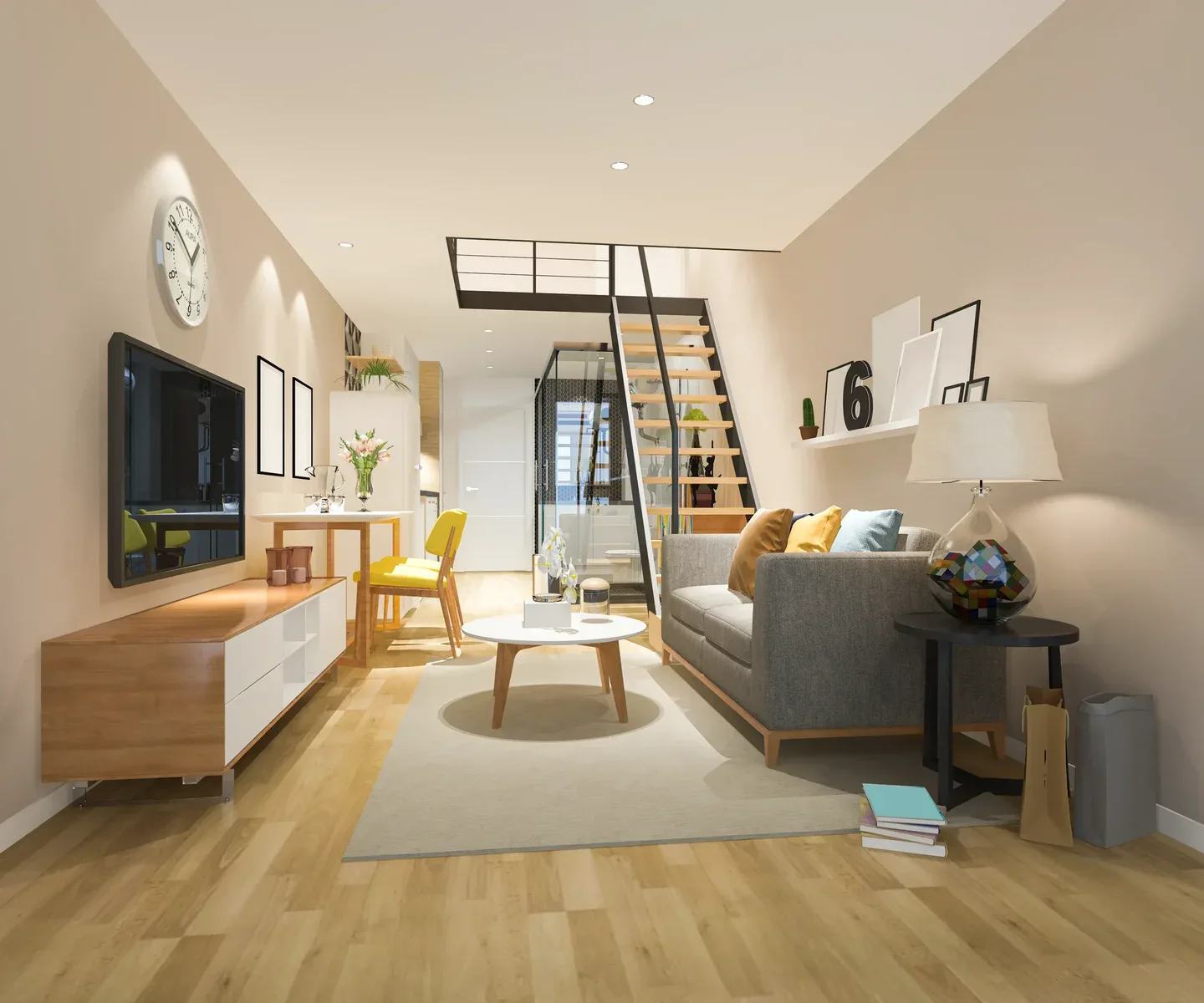

The renovation turned out even better than we pictured. Everyone involved was easy to talk to and kept us in the loop through every stage. Work moved along smoothly and the results look fantastic. Friends keep asking who did the work.

We recently had our outdated bathroom remodeled by Golden Shore Design and Build, and Chris was exceptional throughout the entire process. His attention to detail and commitment to quality truly transformed our space into a luxurious retreat. I highly recommend their services for anyone looking to upgrade their home.

The whole house renovation gave our place a fresh new feel. Each room flows naturally into the next. We are proud of how it all turned out

We recently finished a complete kitchen renovation and are very satisfied with our construction and renovation firm. From the initial design consultation through to the final walk-through, the staff at this company displayed a remarkable level of professionalism and knowledge. Our project manager kept us fully apprised of the progress through daily updates and was very responsive to all of our inquiries. The staff were very considerate, on time, and maintained a remarkably clean construction site, causing little disruption to our daily routine. The workmanship is of the highest quality, and they completed the project right on time and within the agreed-upon budget with no surprises.

Professional builders providing neat finishes and smooth project coordination.

The remodel on our place included a few tricky parts but this team knew exactly what they were doing. Their design sense made the layout flow better than it ever has. It feels like a real upgrade in terms of value.

I brought them in for a full home remodel and the whole experience felt smooth and straightforward. Their design ideas actually made the renovation feel exciting instead of stressful. You can tell the builders care about a quality build from start to finish.

I hired them for a residential remodel, and I’m blown away by the results. The design process was smooth and collaborative, which made the whole project stress-free. These guys really know how to deliver a great renovation.

My bathroom and kitchen renovation turned out strong across the board. Their remodel contractor kept communication easy and never made things confusing. The quality build shows and the place feels refreshed in the best way.

I had this business remodel two bathrooms and both turned out perfect. They made sure I was comfortable while the work was being done. The results speak for themselves.
The cost comparison between adding an addition and building an Accessory Dwelling Unit (ADU) depends heavily on your property and goals. A simple bump-out addition might have a lower per-square-foot cost as it often utilizes existing utilities and foundations. However, a detached ADU, while potentially more expensive upfront due to new foundations and separate systems, creates a distinct, rentable asset that can generate significant income, often justifying the investment. Key factors include site conditions, local permit fees, and the scope of finishes. For a detailed breakdown of costs, benefits, and planning considerations, we recommend our internal resource: All You Need to Know When Building Accessory Dwelling Units.
The cost comparison between building an ADU (Accessory Dwelling Unit) and buying a prefab unit depends heavily on project specifics. Generally, a prefabricated ADU can be cheaper upfront due to controlled factory construction, which reduces labor time and material waste. However, site-built ADUs offer more customization and can sometimes be more cost-effective if integrating with an existing structure or using simpler designs. Key factors include site preparation costs (foundation, utilities, permits), which are required for both and can be substantial. For a precise budget, obtain quotes for both options in your area, considering long-term value, as a well-built site ADU might offer higher property value appreciation.
A common mistake when building an Accessory Dwelling Unit (ADU) is not fully understanding local zoning ordinances and permit requirements, which can lead to costly delays or redesigns. Homeowners often underestimate the budget, failing to account for site prep, utility connections, and finishing costs. Choosing the wrong contractor without specific ADU experience is another frequent error. It's also crucial to consider the ADU's long-term use, whether for rental income or family, to ensure the design meets those needs. For a complete guide on navigating these challenges, see our internal article All You Need to Know When Building Accessory Dwelling Units. Proper planning with professional guidance is key to a successful project.
The cheapest option for an ADU is typically a prefabricated or modular unit. These are constructed off-site in a controlled factory environment, which significantly reduces labor costs, construction time, and material waste compared to traditional stick-built additions. Another very cost-effective approach is converting an existing underutilized space, such as a garage, basement, or attic, into a legal dwelling unit, as the basic structure is already in place. To minimize expenses, focus on a simple, efficient design, standard material finishes, and a compact yet functional layout. It is crucial, however, to never sacrifice proper permitting, foundational work, and essential mechanical systems for the sake of low cost, as this leads to major issues and violates building codes.
Building an Accessory Dwelling Unit (ADU) or room addition in Spring Valley involves several cost factors. Key considerations include the project's scope, size, materials, and required permits from San Diego County. For a basic room addition, prices often start around $80,000 to $120,000, while a full, detached ADU can range from $150,000 to $400,000 or more. These costs cover design, engineering, construction, and utility connections. It is crucial to work with a licensed contractor who understands local zoning laws and can secure the necessary approvals. Obtaining multiple detailed quotes is essential for an accurate budget, as site conditions and design complexity significantly influence the final price.
Building an Accessory Dwelling Unit (ADU) or room addition in Spring Valley involves several cost factors. Key considerations include the project's size and complexity, site preparation needs, material choices, and permit fees from San Diego County. Current industry averages suggest ADU construction can range from $200 to $400 per square foot. For a basic 500-square-foot unit, you might invest $100,000 to $200,000, with costs rising for high-end finishes or complex foundations. It is crucial to budget for design, engineering, utility connections, and potential impact fees. Obtaining multiple detailed quotes from licensed contractors familiar with local zoning laws is the best way to establish an accurate budget for your specific property and goals.
Building an Accessory Dwelling Unit (ADU) in Spring Valley, California, involves navigating specific local and state regulations. California law has significantly streamlined ADU construction to address housing shortages, but you must still comply with Spring Valley's zoning, setback, and height requirements. Key steps include securing pre-approved plans, obtaining necessary permits from San Diego County, and ensuring utility connections. Hiring a licensed design-build firm like Golden Shore is crucial for managing this complex process efficiently. They can help maximize your property's potential while ensuring the ADU meets all building codes for safety and habitability, ultimately adding significant value and rental income potential to your home.


66 reviews