Let’s be honest, nobody builds an Accessory Dwelling Unit (ADU) for the fun of it. You’re doing it for a reason—extra income, housing a family member, increasing your property’s value. The hype around ADUs is deafening, and for good reason. They can be a brilliant solution. But after designing and building dozens of them here in San Diego, we’ve learned that the glossy brochures and quick-quote websites often skip the gritty, frustrating, and expensive realities. The potential drawbacks aren’t just speed bumps; they can be deal-breakers if you’re not prepared.
Key Takeaways:
- The financial payoff is long-term, not immediate, with significant upfront costs and a complex ROI calculation.
- Navigating San Diego’s specific permitting and zoning rules is a marathon, not a sprint, often requiring professional help.
- Your lifestyle and relationship with your property will change permanently, for better and worse.
- A poorly planned ADU can become a liability, not an asset, impacting your main home’s value and livability.
What is the biggest drawback of building an ADU?
The single biggest drawback is the significant upfront financial investment coupled with a long, uncertain path to a positive return. It’s not just the construction cost. It’s the soft costs—design, permits, utility connections, impact fees—that balloon budgets. You tie up a large sum of capital for years before rental income or added value materializes, all while navigating complex local regulations that can delay the project for months.
The Myth of the “Easy” Paycheck
Everyone talks about passive income. Few talk about the active capital required to get there. The financial picture of an ADU is more nuanced than “build it and they will come.”
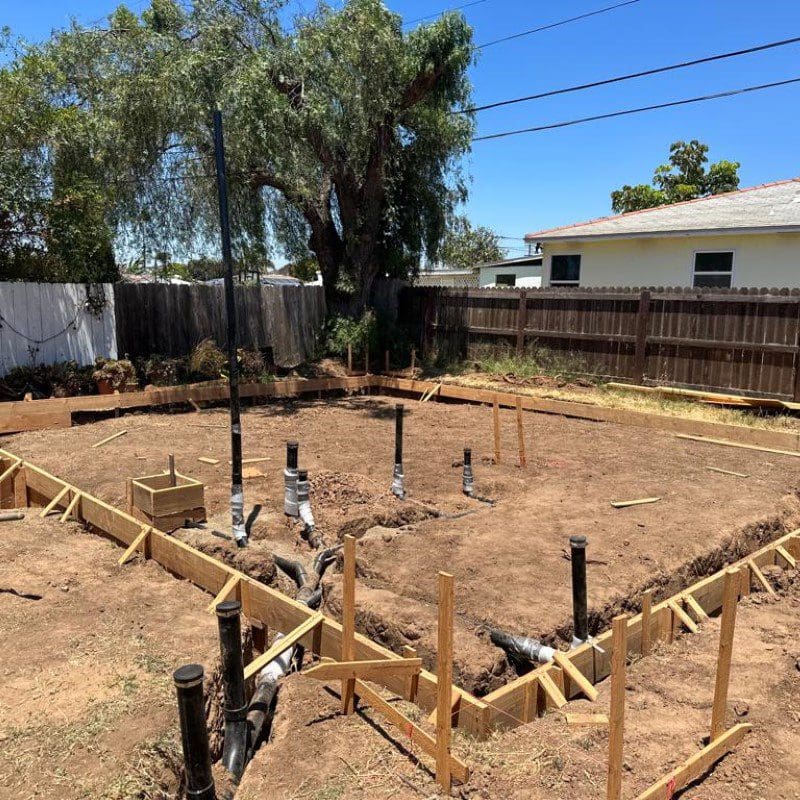
First, the costs are almost always higher than initial estimates. We’ve seen it a hundred times. A homeowner gets a ballpark figure for the structure itself, but then comes the site work. Is your soil stable, or will you need expensive grading or foundation work? How far are the main sewer and electrical lines? Connecting a new, separate unit to utilities can mean tearing up your yard and running new lines, which in older neighborhoods like North Park or South Park can uncover a century’s worth of surprises.
Then there are the city fees. San Diego has made strides in streamlining ADU permits, but impact fees, plan check fees, and school district fees are real. They can add tens of thousands to your project, a line item that rarely makes it into the initial “cost per square foot” conversations.
So, when does it pay off? Let’s break down a realistic scenario, not a best-case one.
| Financial Consideration | The Optimistic View | The Grounded Reality (Based on Our Experience) |
|---|---|---|
| Construction Timeline | 6-8 months from design to tenant. | 12-18 months is more common, accounting for design revisions, permit review cycles (especially with historic overlays), and material delays. |
| Total Project Cost | $200,000 for a 600 sq ft unit. | $275,000 – $350,000 is typical in 2026 for a quality, turn-key build with site work and fees. |
| Monthly Rental Income | $2,500+ based on Zillow estimates. | $2,200 – $2,800 is realistic, but depends heavily on specific neighborhood, parking, and unit finish. |
| Break-Even Point (Rental) | ~7 years. | 10-15 years is a more honest calculation when you factor in property tax increases, maintenance, vacancy periods, and management. |
| Immediate Value Add | Adds dollar-for-dollar to home value. | Appraisals vary. It often adds significant value, but not always the full project cost. The value is in the income potential, which the market recognizes. |
The payoff is there, but it’s a long-term investment, not a short-term flip. If you need liquidity in the next five years, this might tie up your money in the wrong way.
The Regulatory Maze Isn’t Just Paperwork
Yes, California has passed laws to encourage ADUs. No, that does not mean your project is automatically approved. Local interpretation is everything. The state sets the floor; the City of San Diego, and sometimes your specific community planning group, sets the ceiling.
The most common headache we see? Setbacks and lot coverage. Even with relaxed standards, your property line, an existing easement, or a quirky lot shape can dictate exactly where you can build. We worked on a project in University City where the dream location for the ADU was exactly where a buried, undocumented utility easement ran. Months of delay.
Then there’s parking. In many San Diego zones, if you’re within a half-mile of a “major transit stop,” you might not need to add a parking space. Sounds great. But defining that transit stop and proving it to the planner reviewing your application are two different things. Is the bus stop on La Jolla Village Drive “major” enough? It’s a debate you don’t want to have alone.
This is the primary moment where most DIY-minded homeowners realize they need a professional. Navigating this maze isn’t about filling out forms; it’s about knowing the unwritten rules, which planner to talk to, and how to present your plans to avoid costly revisions. A seasoned design-build firm like ours in San Diego has relationships and experience that can shave months off the process, which ultimately saves you money on carrying costs and frustration.
Your Home Will Never Be the Same (And That’s Not Always Bad)
This is the most personal, and often overlooked, drawback. You are fundamentally changing the nature of your property. The quiet, private backyard where you drank your morning coffee? It’s now a shared courtyard. The simple act of taking out the trash becomes a negotiation of shared pathways. You are, effectively, becoming a landlord on your own land.
You need to be mentally prepared for:
- Less Privacy: Sound travels, especially in smaller lots common in coastal areas like Pacific Beach. You’ll hear your tenants, and they’ll hear you. Quality construction mitigates this, but never eliminates it.
- Shared Responsibilities: Who takes out the bins on the street? Who manages the landscaping in the common area? Clear agreements are crucial from day one.
- The “Roommate” Dynamic (with family): Housing an aging parent or a young adult child is a beautiful goal. But the dynamic changes when there’s a formal lease and separate entrance. It can create healthy boundaries or unexpected tension. We’ve seen both.
The flip side? This change can be incredibly positive. That “separate entrance” provides independence for a family member. The shared yard can feel more lively and communal. It forces you to think intentionally about your property, which often leads to better design for your main house, too.
When an ADU is a Terrible Idea
Despite their potential, an ADU is not a universal solution. It might be a bad idea if:
- Your sole goal is a quick profit: As the table shows, this is a long-haul investment.
- Your lot has severe constraints: A steep canyon slope in Del Mar or a tiny, irregular lot in Coronado can make construction costs prohibitive.
- You hate the idea of being a landlord: Property management is work. Screening tenants, handling repairs at 9 PM, dealing with rent collection—it’s a job. You can hire a company to do it, but that eats into your ROI.
- You’re planning to sell soon: The disruption of a construction project can make your home harder to sell mid-process. The value is fully realized after it’s complete and permitted.
The Golden Shore Perspective: Is It Still Worth It?
After all these caveats, do we still believe in ADUs? Absolutely. But we believe in going in with eyes wide open.
The successful ADU projects we’ve completed—from a sleek, modern unit for a tech worker in Little Italy to a comfortable granny flat for a multigenerational family in Scripps Ranch—shared one thing: realistic expectations. The homeowners saw it as a strategic, long-term play. They valued the non-financial benefits (housing family, creating a home office/guest suite) as much as the financial ones.
The process will test your patience. The budget will test your resolve. But if you partner with a team that’s navigated the specific quirks of San Diego’s coastal commissions, hillside ordinances, and neighborhood aesthetics, you can mitigate 90% of the headaches. You move from being a victim of the process to being in control of your investment.
In the end, an ADU is a powerful tool. But like any powerful tool, you need to read the manual, understand the safety warnings, and probably get some training before you use it. The drawbacks aren’t there to scare you off; they’re the map of the minefield, so you can cross it safely and reach the real reward on the other side.
People Also Ask
Accessory Dwelling Units (ADUs) offer housing solutions but have notable drawbacks. A primary disadvantage is the significant upfront cost, including construction, permits, and utility connections, which can be prohibitive. Zoning and regulatory hurdles often present complex, time-consuming challenges, with restrictions on size, design, and parking. ADUs can also strain existing property infrastructure, potentially requiring upgrades to sewer, water, or electrical systems. For landlords, managing a separate unit increases operational responsibilities. Furthermore, adding an ADU may alter neighborhood character and density, sometimes leading to community opposition. It's crucial to conduct thorough financial and legal due diligence, consulting with local planning departments and professional builders to navigate these potential disadvantages effectively.
Building an Accessory Dwelling Unit (ADU) involves navigating complex regulations, which is where common mistakes occur. A major error is failing to secure proper permits or ignoring local zoning codes regarding setbacks, height limits, and owner-occupancy rules, which can lead to costly fines or demolition orders. Underestimating the budget for site work, utility connections, and quality finishes often results in unfinished projects. Another frequent oversight is poor space planning, creating a unit that feels cramped or lacks functional storage. Neglecting natural light and ventilation can also diminish livability. To avoid these pitfalls, thorough research, professional design assistance, and a contingency fund are essential for a compliant, valuable, and comfortable ADU.
Accessory Dwelling Units (ADUs) are controversial primarily due to their impact on neighborhood character and local infrastructure. Many residents oppose them, fearing increased density will lead to traffic congestion, reduced parking, and strain on public services like schools and sewage. There are also concerns about property values and privacy, as ADUs introduce new occupants into traditionally single-family zones. Conversely, proponents argue ADUs provide essential affordable housing options and support multigenerational living. The debate often centers on balancing individual property rights with community planning goals, making local zoning and approval processes a frequent battleground.
The cost comparison between building an ADU (Accessory Dwelling Unit) and buying a prefab unit depends heavily on project specifics, but prefab options often have a lower initial price point. A site-built ADU involves custom design, permitting, and construction labor, which can lead to higher costs but offers complete customization. Prefabricated ADUs, constructed off-site, benefit from factory efficiencies and faster installation, potentially reducing overall expenses. However, site work like foundation, utilities, and permits still applies to both. Key factors include local regulations, land conditions, and desired finishes. For budget-conscious projects, prefab can be cheaper upfront, while custom builds may offer better long-term value through tailored design and higher-quality materials. Always obtain detailed quotes for both options.