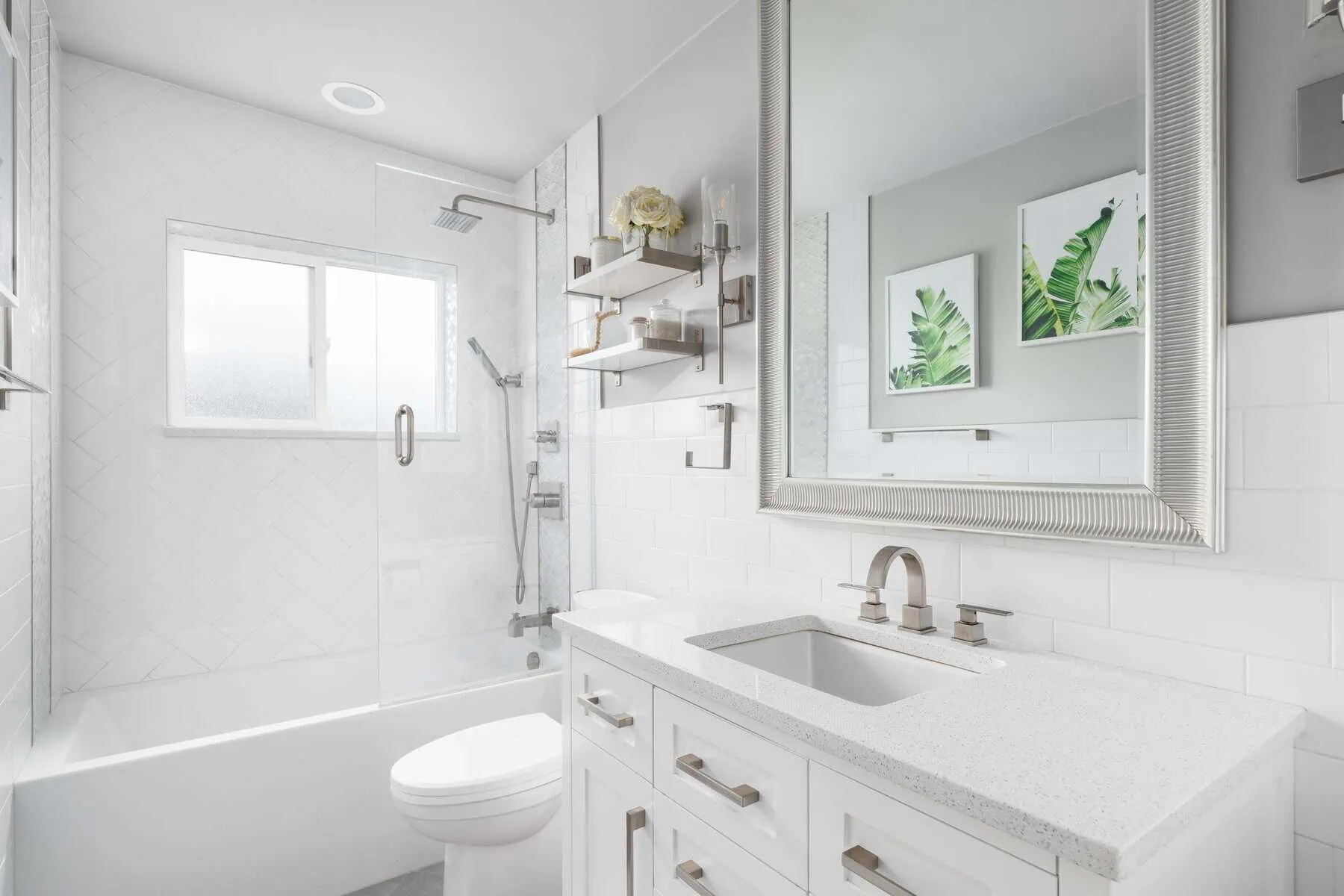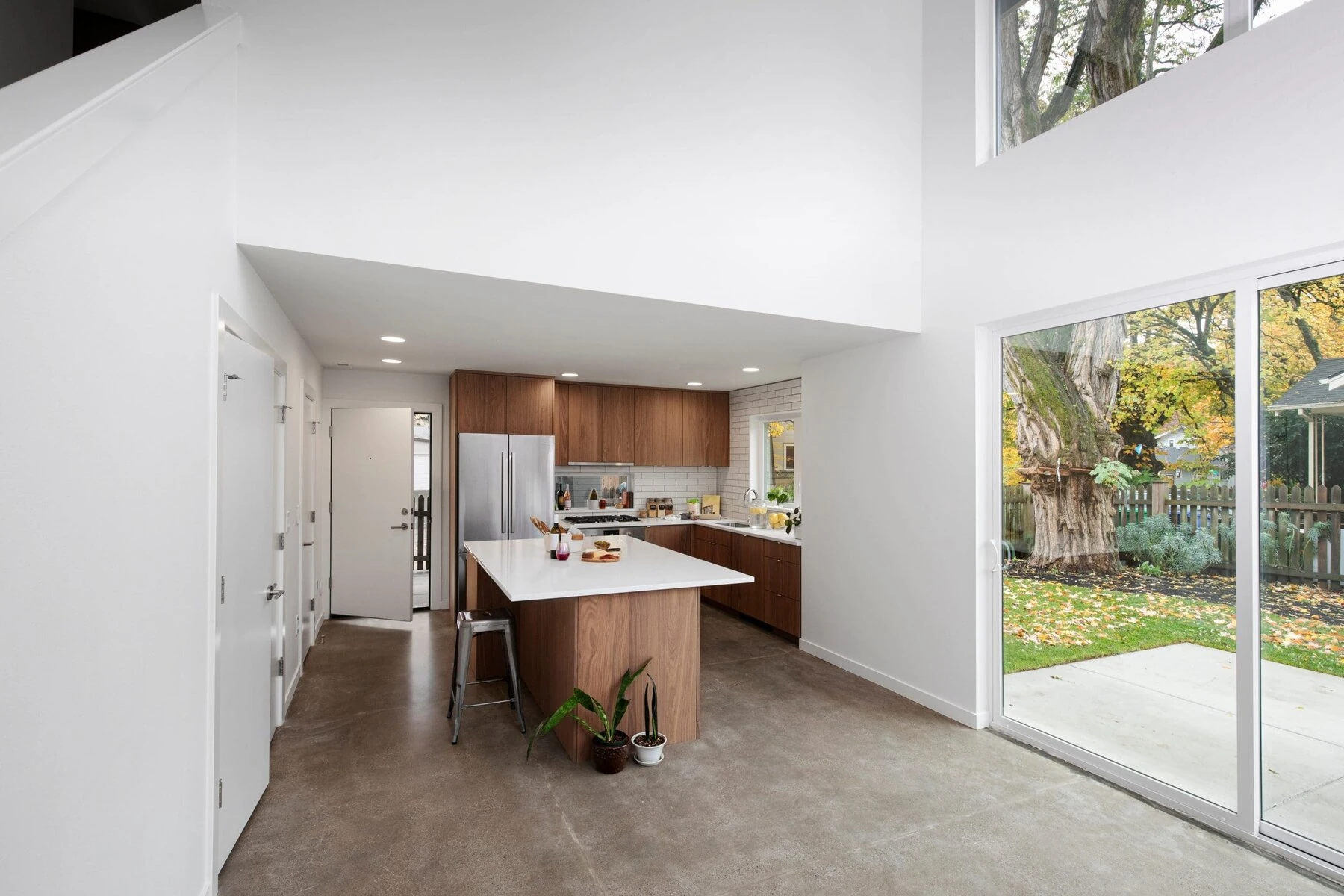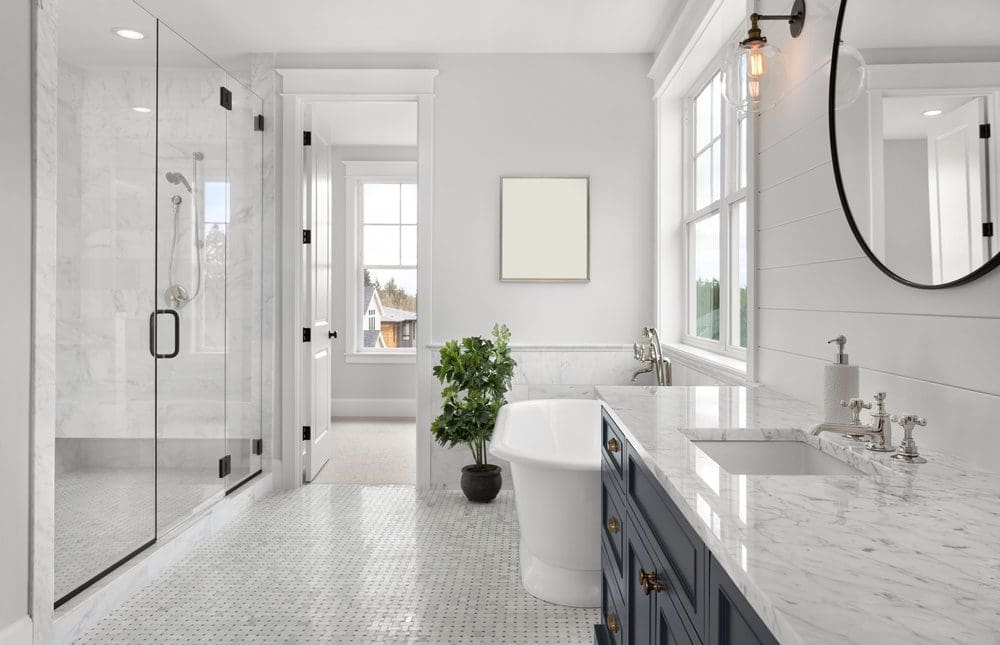
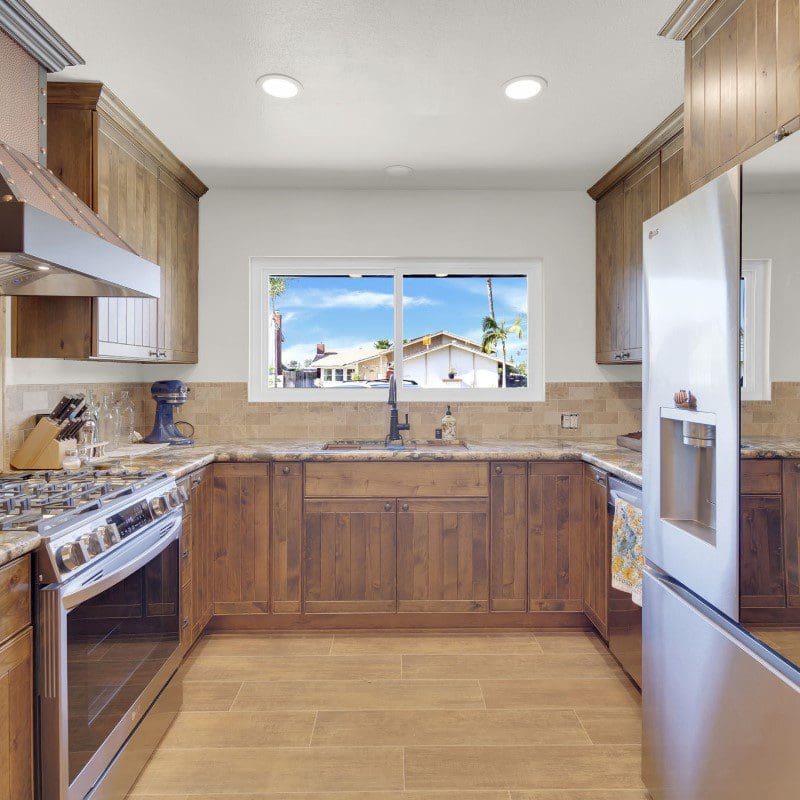
Ever stare at your house and feel a deep, profound sense of “meh”? We get it. One day you’re blissfully making toast, and the next, you’re side-eyeing your kitchen cabinets like they personally offended you. That, friends, is the renovation itch, and in San Diego, where indoor-outdoor living is practically a religion, it scratches at us all. But between dreaming of that sleek kitchen and actually surviving a home remodel, there’s a canyon of decisions. Do you need a general contractor, or can you wing it? What’s the real cost of adding that ADU? Let’s talk it out, neighbor to neighbor.
Table of Contents
The Great San Diego Renovation Dilemma: DIY or GC?
So, you’ve watched every home renovation show known to humankind and you’re feeling pretty handy. I mean, how hard can a bathroom tile job be, right? (Famous last words, we know). Here’s the thing: in our professional experience, the line between a rewarding project and a money pit is thinner than the grout line you’ll probably mess up.
A true general contractor does more than just swing a hammer. They’re your project’s conductor, managing a symphony of subcontractors, permits (San Diego has its own unique set, trust us), inspections, and timelines. They absorb the daily stress so you don’t have to. Think of them as your personal buffer against the chaos.
When you absolutely need a pro:
- You’re touching load-bearing walls or the roof.
- The project requires permits and you don’t have a week to spend at the planning department.
- You’re coordinating multiple trades—think plumbing, electrical, and carpentry all at once.
- You value your sanity and free time. Seriously, this is a big one.
Budget Talk: Let’s Demystify “The Cost”
Alright, let’s address the elephant in the remodeling room: price. It’s the question everyone asks first and whispers about in anxious tones. There’s no one-size-fits-all number, but we can give you a framework. The cost of your project hinges on three pillars: scope, quality of materials, and that ever-important “unforeseen conditions” factor (a fancy term for “what weird thing will we find inside this wall?”).
Instead of vague guesses, let’s break down typical San Diego project ranges. Remember, these are ballpark figures—your specific home design and choices will steer the final number.
| Project Type | Typical Scope | San Diego Cost Range (Mid-Range Quality) | Key Cost Drivers |
|---|---|---|---|
| Bathroom Remodel | Full gut & update, standard fixtures. | $25,000 – $45,000 | Tile selection, plumbing relocations, custom vanity. |
| Kitchen Remodel | New cabinets, countertops, mid-range appliances, flooring. | $45,000 – $75,000+ | Cabinet quality/appliance tier, island addition, lighting. |
| Room Addition | Adding a 300 sq ft bedroom or family room. | $100,000 – $200,000+ | Foundation work, roofing, tying into existing HVAC. |
| ADU Construction | Detached 500 sq ft unit with kitchen/bath. | $150,000 – $300,000+ | Site access, utility connections, finishes. |
| Whole House Renovation | Significant updates to most of the home. | $100,000+ and way up | Scale, level of finishes, structural updates needed. |
See how it can vary? This is where a detailed conversation with a remodeling company like ours, Golden Shore Design and Build, is priceless. We help translate your vision into a realistic budget from the get-go, so there are fewer surprises down the line. FYI, the nearest big-box store’s “estimate” usually misses about half the real-world stuff.
Why Your Project’s “Why” Dictates Your “Who”
Not all remodeling contractors are created equal, and that’s okay. You wouldn’t hire a sushi chef to bake your wedding cake. The type of project you’re undertaking should lead you to the right specialist.
- For the Kitchen & Bath Experts: These are hyper-specialized spaces. Look for a team with deep portfolios in these complex, plumbing-heavy rooms.
- For the ADU & Room Addition Gurus: This is home building adjacent. You need a team fluent in new foundations, structural engineering, and creating something that looks like it was always there.
- For the Whole House or Luxury Vision: This is where a full-service residential design-build firm shines. You need a partner who can handle home design, 3D design visualization, and high-end execution from concept to completion. This seamless process is exactly what we’ve built Golden Shore Design and Build around. When you’re investing in a luxury home transformation, you want a single, accountable team guiding the journey.
The Magic of Seeing It Before You Build It
Ever get a sneaking suspicion that the beautiful fixtures you picked might not quite work together in the space? Yeah, us too. That’s why we’re evangelists for 3D design. It’s a game-changer. We’re not talking about a rough sketch on a napkin (though those have their charm). We mean photorealistic renderings that let you virtually walk through your new kitchen or bathroom before a single wall comes down.
You can see how the light falls at 3 PM. You can decide if you want the island a foot longer. It turns abstract ideas into concrete plans and saves a ton of “change order” heartache later. IMO, it’s non-negotiable for any significant renovation.
Finding Your “Near Me” Match That Actually Feels Right
We know you’ll search “nearest general contractor” or “closest remodeling company.” But here’s the secret: proximity is convenient, but compatibility is king. The nearby team should feel like a partner, not just the closest pin on a Google map.
When you’re vetting, ask:
- “Can you walk me through a similar project from start to finish?”
- “How do you handle communication and unexpected issues?” (Because they will happen).
- “Can I see your license, insurance, and talk to a few past clients?”
This is where we humbly suggest you give us a look at Golden Shore Design and Build. Based right here in San Diego, we’ve built our reputation on being that communicative, transparent partner. We love this city’s architecture and lifestyle, and we bake that understanding into every home remodel we do.
Your Top 3 Renovation Questions, Answered
1. How long will my project actually take?
Honestly? Longer than the TV shows say. A complex bathroom might be 6-8 weeks. A kitchen could be 10-14 weeks. A room addition or ADU often spans 4-6 months. The timeline depends on permit speed, material lead times (still a thing, unfortunately), and the project’s complexity. A good GC will give you a detailed schedule and, more importantly, keep you updated if it shifts.
2. Should I get multiple bids?
Absolutely. Get at least three. But remember: compare apples to apples. The lowest bid might be cutting corners on materials, labor, or insurance. Look at the value, the clarity of the proposal, and your gut feeling about the team.
3. How disruptive is a renovation to daily life?
Let’s not sugarcoat it: it’s disruptive. There will be dust, noise, and workers in your space. But a professional team will minimize the chaos with clear protocols for containment, clean-up, and work hours. For a whole house project, many folks plan to live elsewhere for a phase. We can help you strategize the least painful approach.
At the end of the day, a successful renovation isn’t just about new drywall and fancy faucets. It’s about creating a home that works better for your life and brings you joy every single day. It’s a big investment of time, money, and emotional energy. So choose your team not just because they’re the nearest, but because they listen, they communicate, and they get as excited about your vision as you are.
If that’s the kind of partnership you’re looking for on your San Diego home building or remodeling journey, we’d love to chat. Give Golden Shore Design and Build a call, and let’s start turning that “meh” into “wow.”
People Also Ask
For homeowners in San Diego, Chula Vista, National City, La Mesa and Spring Valley CA, renovations with the highest ROI typically focus on curb appeal and essential upgrades. A minor kitchen remodel, such as replacing cabinet fronts and updating appliances, often recoups a significant percentage of its cost at resale. Similarly, a garage door replacement is a low-cost investment that yields excellent returns. Adding a wood deck or upgrading siding are also strong performers. For a comprehensive breakdown of which projects offer the best value for your specific neighborhood, we recommend reading our internal article titled The Ultimate San Diego Homeowner's Guide to a Stress-Free Renovation: 2026 Edition. Golden Shore Design and Build can help you prioritize these high-ROI projects to maximize your home's value.
San Diego's economy is experiencing significant growth in several key industries. The biotechnology and life sciences sector is a major driver, with numerous research institutions and startups thriving in the region. Defense and cybersecurity also remain strong, given the presence of military bases and tech firms. Tourism and hospitality continue to expand, fueled by the city's coastal attractions and convention business. Additionally, renewable energy and clean technology are on the rise, supported by local initiatives. For those in construction and home renovation, this growth creates steady demand for residential and commercial projects. Golden Shore Design and Build has observed that these trends directly influence the need for modern, functional spaces in areas like Chula Vista and La Mesa.
The 30% rule is a financial guideline suggesting that homeowners should not spend more than 30% of their home's current market value on renovations. This helps ensure the improvements do not overcapitalize the property, making it difficult to recoup costs upon resale. For example, if your home is valued at $500,000, you should limit total renovation costs to $150,000. This rule is especially relevant for major kitchen or bathroom remodels. At Golden Shore Design and Build, we always discuss budget alignment with clients to avoid over-improvement. For a deeper understanding of project planning and cost management, we recommend reading The Complete Home Renovation Roadmap: A Step‑by‑Step Guide From First Sketch to Final Walkthrough, which outlines essential steps from initial budgeting to final walkthrough.
A $10,000 bathroom remodel typically focuses on cosmetic upgrades rather than a full gut renovation. For this budget, you can expect to replace the vanity, mirror, and lighting fixtures with modern, mid-range options. You might also install a new toilet, update the faucet and showerhead, and add a fresh coat of paint. Flooring is often limited to affordable luxury vinyl plank or ceramic tile in a smaller space. To maximize value, keeping the existing tub or shower surround is common. For a comprehensive breakdown of costs and design strategies, please refer to our internal article titled Remodeling Your Bathroom Guide. Golden Shore Design and Build recommends prioritizing durable materials and efficient labor to stay within budget while achieving a noticeable transformation.