Key Takeaways: The double sink vanity is often a default choice, but it’s not always the right one. It can eat up valuable counter space, increase costs, and create a cleaning burden. For many homes, a single sink with a more thoughtful layout offers better functionality and a less stressful morning routine. The right choice depends entirely on your household size, bathroom size, and daily habits.
We’ve installed a lot of double sink vanities. And over the years, we’ve also been the ones to listen to the quiet regrets months later. The dream is universal: two people, getting ready in harmony, no elbows bumped, a serene start to the day. The reality, especially in San Diego’s typically modest bathroom footprints, often involves a lot of compromised storage, cluttered counters, and a surprising amount of extra plumbing to clean around.
So, let’s get straight to it. When does a double vanity make sense?
The Quick Answer: Who Actually Needs Two Sinks?
A double vanity is a practical necessity for two adults with conflicting morning schedules who use the same bathroom simultaneously. It’s about parallel processing. If you both need to be out the door by 7:15 AM and your routines involve more than a quick toothbrush, the second basin prevents a genuine traffic jam. For everyone else—couples with staggered schedules, single occupants, families with kids using a different bath—it’s often an expensive luxury that sacrifices more than it gives.
The Space Equation: It’s Never Just the Sinks
Here’s the first practical hiccup everyone misses in the showroom. A double vanity unit isn’t just two bowls instead of one. To feel functional, it requires a minimum of 60 inches in width. Below that, each sink basin becomes comically small, and the drawer configuration turns useless. You end up with a center drawer about four inches wide—good for a few toothbrushes and nothing else.
Even at 60 inches, you’re dedicating a huge swath of prime bathroom real estate to plumbing fixtures. What are you giving up? Often, it’s the potential for a longer single-sink vanity with abundant, logical storage, or space for a separate makeup counter, a linen tower, or simply clear, open counter space that doesn’t feel perpetually cluttered. In older San Diego neighborhoods like South Park or Normal Heights, where bathroom sizes are historically smaller, forcing a double vanity can make the whole room feel like a hallway of cabinetry.
The Hidden Costs (And No, We Don’t Mean Just Money)
The financial premium is obvious: two faucets, two drains, two sets of plumbing connections. But the real costs are in daily living.
- The Cleaning Burden: You’re now maintaining two drains (hello, hair clogs), two faucets to de-spot, and twice the bowl surface to scrub. It’s a small thing that adds up.
- The Counter Clutter Syndrome: With two sinks, people tend to claim “their side.” This can lead to a permanent residence for products, caddies, and accessories that never get put away because the designated “clear” space is just a small basin. A single, larger, uninterrupted countertop encourages tidiness.
- Storage Fragmentation: Instead of deep, useful drawers, you get a bank of small, partitioned ones. Try fitting a hairdryer, flat iron, and cleaning supplies in those. You can’t.
A Practical Alternative: The Super-Single Sink Layout
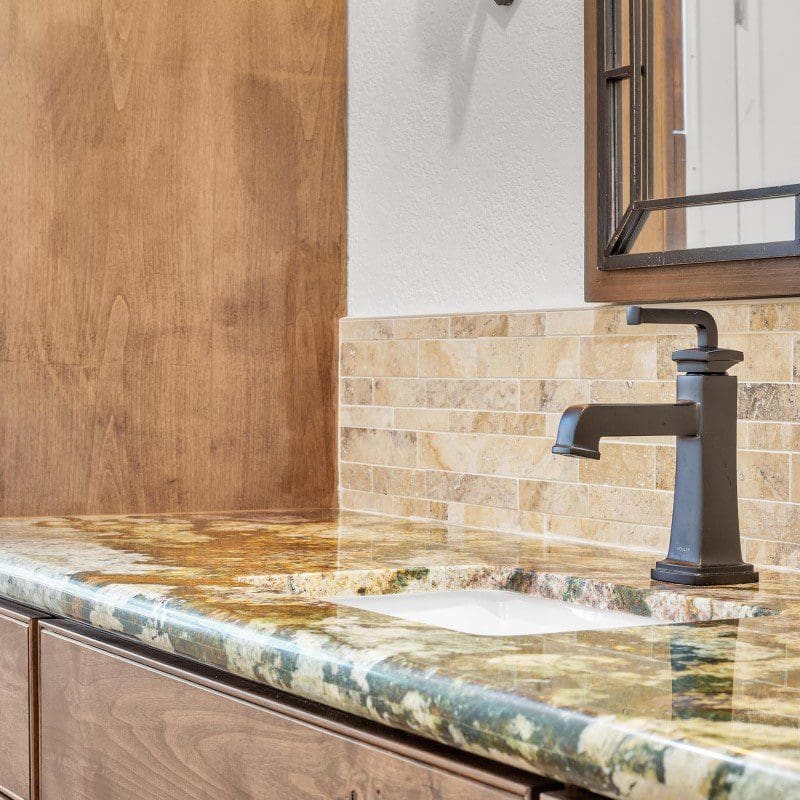
This is what we often guide clients toward. Instead of two small sinks, install one large, single basin—an elegant undermount or a spacious vessel. Then, use the liberated space and budget for intelligent upgrades:
- A Dedicated Makeup or Grooming Station: A well-lit niche with a small stool and outlets, separate from the wet zone.
- Asymmetric Vanity Design: A deep drawer stack on one side, open shelving on the other.
- Just… More Counter: The bliss of having a place to lay out a towel, a weekend project, or a guest’s toiletries without moving everything.
It creates zones for different activities instead of duplicating one cramped activity side-by-side.
When a Double Vanity Is Undeniably the Right Call
Of course, there are clear-cut cases. The primary bathroom for two busy professionals in a newer build where the bathroom is truly large enough (think 8+ feet wide). The “his and hers” master suite where the bathroom is a shared, central dressing hall. In these scenarios, with ample space, it’s a fantastic luxury that serves a real purpose.
Making the Decision: A Real-World Checklist
Don’t just default. Ask these questions:
- What is the actual, measured width of the wall? (Not the dream width.)
- Do we routinely need to use the sink at the exact same time for more than 30 seconds?
- What storage are we sacrificing? (Where will the towels, toilet paper, and cleaning supplies go?)
- Is this for resale or for us? (A double vanity is a checked box for resale, but a poorly planned one is a turn-off for savvy buyers.)
| Consideration | Double Sink Vanity | Single Sink Vanity |
|---|---|---|
| Best For | Two adults with simultaneous, lengthy morning routines. | Almost everyone else: singles, couples with staggered schedules, smaller bathrooms. |
| Minimum Width | 60 inches for basic functionality; 72+ inches is ideal. | Can be fully functional in as little as 36 inches. |
| Primary Trade-off | Gains parallel sink use; loses significant counter space & cohesive storage. | Gains counter space & storage flexibility; requires scheduling if two need the sink. |
| Ideal Layout With | His/hers zones, if space allows. | A dedicated grooming station, linen tower, or extended counter. |
| Maintenance | Higher. Two drains, two faucets, more surface to clean. | Lower. One of everything. |
The San Diego Specifics: Climate, Style, and Real Estate
Our dry climate is kind to cabinetry, but hard water is the great equalizer—more fixtures mean more spots to wipe. Also, the move toward indoor-outdoor living here often means budget is allocated to decks, patio covers, and large format tile that flows outside. Blowing your bathroom budget on duplicate plumbing might mean compromising on that connection to the backyard, which is a far bigger lifestyle payoff for many.
And on resale? While a double vanity in the primary bath is a market expectation for newer, high-end homes, in a charming 1930s bungalow, forcing one into a tiny space looks and feels awkward. Preserving the character and flow of the home often adds more value.
The Professional’s Role: Seeing What You Can’t
This is where a quick conversation with a design-build firm like ours in San Diego can save you from a costly regret. We can assess the plumbing wall, the venting, the potential for reconfiguring the entire layout. Maybe the solution isn’t a double vanity at all, but relocating a linen closet to create a more functional single-sink wall with a separate water closet. We’ve done that exact fix more times than we can count, and the relief from homeowners is palpable. They got their storage and serenity back.
The Bottom Line
The double sink vanity is a tool, not a status symbol. Its value is purely functional. Before you commit, honestly audit your daily routine and measure your space twice. For many, the path to a more peaceful, functional bathroom isn’t doubling down on the sink—it’s smartly designing around one. The goal isn’t to have your own sink; it’s to have a bathroom that works effortlessly for your life, clutter-free and calm. Sometimes, that means letting go of the default dream and building a smarter one.
Related Articles
People Also Ask
In modern bathroom design, double sinks are far from outdated. They remain a popular and practical choice, especially in master bathrooms shared by two people. The key is in the execution. A well-designed double vanity can enhance morning routines by providing separate personal space. However, for smaller bathrooms, a single sink with ample counter space often proves more efficient. The trend is moving towards maximizing function without sacrificing style. At Golden Shore Design and Build, we often advise clients to consider their daily habits. If your bathroom is large enough to accommodate two sinks without compromising storage or movement, it remains a highly functional and sought-after feature that adds both convenience and value to a home.
A double vanity can have a few drawbacks, particularly in smaller bathrooms. The most common issue is space consumption, as a 60-inch or wider vanity reduces floor area and limits movement. This can make a bathroom feel cramped, especially in a compact master bath. Additionally, double vanities often come with higher upfront costs for both the unit and installation, including upgraded plumbing. They also require more counter and storage space to be functional, which may not suit every layout. For homes in San Diego, Chula Vista, or National City, Golden Shore Design and Build often advises clients to carefully measure their bathroom dimensions before choosing a double vanity to ensure it does not compromise comfort or accessibility.
A double vanity sink can be a worthwhile investment for a shared bathroom, especially in homes within San Diego, Chula Vista, National City, La Mesa and Spring Valley CA. The primary benefit is providing separate personal space for two people during morning or evening routines, which reduces conflicts over mirror and counter space. However, the decision depends on your bathroom's square footage. A double vanity requires a minimum of 60 inches of width to function comfortably; cramming one into a smaller space can make the room feel cramped and reduce storage. For larger master bathrooms, it adds convenience and can increase home resale value. For a guest or small powder room, a single sink is usually more practical. Golden Shore Design and Build can help you assess your specific layout to determine if a double vanity fits your needs without sacrificing functionality.
For modern double vanities, floating designs are a top trend, creating a sleek, spacious look that simplifies cleaning. Integrated sinks with seamless countertops in materials like quartz or porcelain offer a minimalist, easy-to-maintain surface. Smart storage is also key, with deep drawers and pull-out organizers replacing standard cabinets to maximize function. To achieve a balanced, contemporary feel, consider mixing materials such as warm wood with cool stone. At Golden Shore Design and Build, we often recommend these features to create a stylish yet practical bathroom. For a personalized touch, asymmetrical mirrors and sconce lighting can add visual interest without overwhelming the space.
A double sink bathroom is an excellent choice for shared spaces, especially in master bathrooms or family bathrooms where two people need to use the counter simultaneously. The primary benefit is enhanced efficiency, as it allows for separate grooming zones, reducing morning traffic jams. From a design perspective, a double sink setup can add symmetry and balance to the room, creating a more luxurious feel. For a thorough guide on selecting the perfect vanity for this layout, including size considerations and style tips, we recommend reading our internal article titled Maximizing Style With A 60 Inch Double Sink Vanity. At Golden Shore Design and Build, we often advise clients that a double sink vanity is not just about convenience; it also increases home resale value by appealing to buyers seeking functional, modern bathrooms.
A master bathroom does not strictly require two sinks, but it is a highly recommended feature for shared spaces. The decision depends on your household's needs and the available square footage. For couples or families, dual sinks significantly improve morning and evening routines by reducing congestion and providing separate storage areas. Industry standards suggest that a master bath with at least 60 inches of counter space can comfortably accommodate two sinks. If your layout is tight, a single sink with a well-organized vanity can still be functional. For projects in San Diego, Chula Vista, National City, La Mesa and Spring Valley CA, Golden Shore Design and Build can help you evaluate your floor plan to determine the best configuration for your lifestyle.
For a bathroom with two single vanities, the key advantage is personalized space for each user, eliminating conflicts over counter and storage areas. This layout works best in larger bathrooms where you have at least 60 inches of wall space to avoid a cramped feel. Each vanity should ideally have its own mirror and lighting to improve functionality. When planning the plumbing, ensure the distances meet code for drain and supply lines. For those considering a more unified look, our internal article titled Maximizing Style With A 60 Inch Double Sink Vanity offers excellent insights on balancing style with utility in a shared space. Golden Shore Design and Build recommends focusing on durable countertop materials and soft-close cabinetry for long-term satisfaction.
For a master bathroom, a single sink can be a strategic choice to maximize counter space and storage. This layout is particularly effective in smaller master suites where you want to avoid a cramped feel. By opting for a single sink, you free up valuable square footage for a larger vanity or more open floor plan. It also allows for a deeper, more functional sink basin, which is excellent for hand-washing delicates or grooming. When designing this space, focus on a high-quality countertop and ample storage underneath. For more specific style ideas on maximizing a vanity, you can read our article Maximizing Style With A 60 Inch Double Sink Vanity. At Golden Shore Design and Build, we often recommend this approach to create a spa-like, uncluttered atmosphere.